Does New York Law Really Require Separate Mold Assessors and Remediators?
Yes. New York Labor Law Article 32 requires that mold assessment and mold remediation be performed by separate, independently licensed entities when the affected area exceeds 10 square feet. One company diagnoses the problem and writes the remediation plan; a different, unaffiliated company executes the cleanup. Advertising or performing either service without the correct license is unlawful under the statute.
Article 32 went into effect in 2016 after years of unregulated “mold guys” showing up with a spray bottle and an invoice. The law created three distinct license categories: mold assessment, mold remediation, and mold abatement worker. It also set minimum work standards for each. The New York State Department of Labor administers the whole program, and its public license lookup is the fastest way to confirm whether a company is legitimate before you sign anything.
The 10-square-foot threshold matters because it’s the line between a DIY wipe-down and a legally regulated job. If your bathroom ceiling stain is smaller than a bath towel, you may not need a licensed assessor at all. Once mold visibly covers more area than that, or you suspect hidden growth behind drywall from a past leak, Article 32’s licensing requirements kick in, and so does the separation rule.
What a Mold Assessor Does vs. What a Remediation Contractor Does
A mold assessor inspects, tests, and writes an independent remediation plan defining the scope of work. A remediation contractor then executes that plan, physically removing contaminated material. Under Article 32, the remediation company must follow the scope the assessor set, not redefine it. Neither license permits performing the other company’s job on the same project.
These two roles produce different paperwork and answer different questions. The assessor answers “is there a problem, how big is it, and what needs to happen to fix it.” The remediator answers “how do we physically remove this material safely and confirm the space is clear.” Confusing the two roles is exactly what the law is designed to prevent, because the financial incentives point in opposite directions.
| Role | Primary Deliverable | License Type | What They Cannot Do |
|---|---|---|---|
| Mold Assessor | Written remediation plan, sampling/testing report | NYS Mold Assessment License | Cannot perform the physical remediation work they scoped |
| Remediation Contractor | Physical removal, containment, disposal of contaminated material | NYS Mold Remediation License | Cannot define or expand the scope of their own work |
| Abatement Worker | Hands-on labor inside containment areas | Individual NYS Mold Abatement Worker License | Cannot work in containment without individual licensure |
One detail property managers frequently miss: every individual laborer working inside a containment area needs their own personal license, not just a company-level credential. A remediation contractor can hold a valid business license while sending unlicensed workers into containment, which is its own violation.
Why the Law Forces This Separation (Conflict of Interest, Explained)
Article 32 separates assessment from remediation because a company paid to fix a problem has a financial incentive to find (or exaggerate) that problem. Independent assessors set the scope with no stake in the remediation invoice, which keeps quotes tied to actual contamination rather than inflated square footage or unnecessary demolition.
Think about the incentive structure if one company does both jobs. The same technician who tells you that you have mold is the one who profits from removing it. There’s no independent check on whether the “3,000 square feet of affected drywall” they quote actually reflects lab results or just a sales target. Separating the two roles builds a natural checkpoint into the process: the remediator has to justify their invoice against a scope document written by someone with nothing to gain from padding it.
This structure also protects you at the back end. Insurance adjusters and real estate attorneys scrutinize mold documentation closely, and a remediation invoice unsupported by an independent assessment report is a common reason claims get delayed or denied. A clean paper trail, assessor’s plan, remediator’s invoice tied to that plan, post-remediation clearance, is what makes a mold claim or a closing disclosure defensible later.
NYC’s Extra Layer: Filing Requirements and Penalties Up to $10,000
New York City adds filing obligations on top of the state law. After remediation, the mold assessment license holder must file a Post-Remediation Assessment Form and a Mold Post-Remediation Certification with the NYC Department of Environmental Protection. Skipping licensed professionals or the required filings can trigger DEP penalties ranging from $800 to $10,000.
The certification step exists to prove the space passed a final clearance check, not just that someone swept up and left. Without it, you have no documentation proving the remediation actually worked, which becomes a real liability if a buyer’s inspector, a future tenant, or an insurance investigator later questions whether the mold was fully addressed.
NYC DEP Penalty Range: $800 to $10,000 for failing to use properly licensed mold assessment and remediation professionals, per NYC Department of Environmental Protection guidance.
Outside the five boroughs, the state licensing and separation rules under Article 32 still apply on Long Island and across upstate New York, since Article 32 is a statewide labor law. New Jersey, Pennsylvania, and Connecticut each have their own regulatory frameworks and don’t currently mandate the identical assessor/remediator separation, so if you own property across state lines, verify local requirements separately rather than assuming NY’s rule travels with you.
What This Means for You as a Homeowner or Property Manager
Hiring one company to both diagnose and remediate mold in New York exposes you to three concrete risks: inflated remediation scope with no independent check, invalid or contested insurance claims due to missing documentation, and legal exposure if the issue resurfaces during a future sale or lease. None of these risks require a lawsuit to hurt you financially.
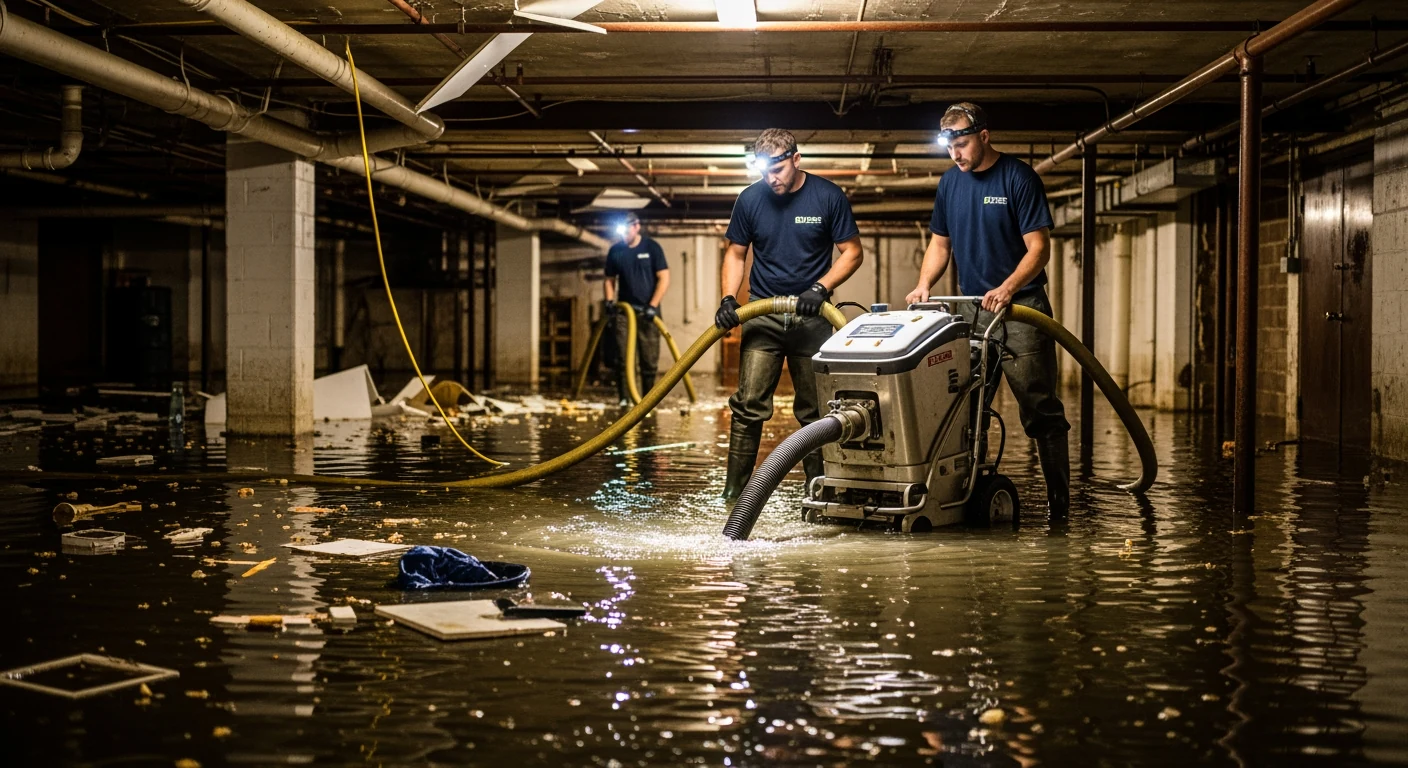
Picture a typical scenario: a basement flooded six months ago, and now there’s a musty smell near the sump pump. A “one-stop” company inspects, tells you 800 square feet needs remediation, and quotes accordingly, same visit, same invoice. Nobody outside that company reviewed the scope. If you later sell the property, the buyer’s attorney asks for the assessor’s report and remediation clearance certificate. You don’t have one, because the company that did the work also decided how much work was needed. That gap can stall or kill a closing.
The fix isn’t complicated, but it does require two phone calls instead of one: an independent mold assessment first, then a separately licensed remediation contractor to execute that written plan.
How to Verify Licenses and Vet Companies Before You Sign Anything
Verify a mold company’s license through the NYS Department of Labor’s public Mold Program lookup before hiring anyone. Ask for the license number, confirm it matches the business name on the quote, and request the written remediation plan separately from any remediation invoice. A legitimate assessor will never also bid on the cleanup.
Run through this before you sign a contract:
- Ask directly: “Are you licensed as a mold assessor, a mold remediation contractor, or both?” A company claiming both roles on one project should raise questions.
- Request the license number and check it against the NYS DOL Mold Program database yourself, don’t take a verbal confirmation at face value.
- Insist on a written remediation plan before any demolition or removal begins. If a company wants to start work same-day without a written scope, that’s a red flag.
- For NYC properties, ask who will file the Post-Remediation Assessment Form and Certification, and get it in writing that you’ll receive a copy.
- Confirm every worker entering a containment area holds an individual abatement worker license, not just a company-level credential.
Red Flag Checklist: Be cautious of any company that offers to “inspect and fix it today” in one visit, refuses to provide a license number on request, skips a written remediation plan, or can’t explain who files the NYC post-remediation certification.
How Upper Restoration Structures Compliant, Homeowner-First Inspections
Upper Restoration structures its process to keep the assessment and remediation roles separate and compliant with Article 32, coordinating with independently licensed mold assessors rather than self-scoping remediation jobs. That structure means the scope of work you’re quoted comes from an independent source, not from the team billing for the labor.
For property owners across the five boroughs, Long Island, and the wider tri-state area, this matters most when you’re dealing with insurance carriers or a real estate closing where documentation gets scrutinized. A remediation invoice that traces back to an independent assessor’s written plan, and that ends in a proper post-remediation clearance, is the paper trail that holds up under review. Upper Restoration’s technicians work within that framework rather than around it, which is the difference between a quote you can defend later and one you can’t.
Not sure if a mold quote you received is compliant with NY law? Get a free, same-day consultation and a clear picture of what licensed, compliant mold work actually looks like.
Next Steps: What to Do If You Suspect Mold Right Now
If you see visible mold larger than roughly a bath towel, smell persistent musty odors, or had water damage in the past year, start with an independent licensed mold assessment before contacting any remediation contractor. Get the written scope in hand first, then have a separately licensed remediator execute it, and confirm post-remediation clearance documentation before considering the job finished.
Don’t wait for a real estate deadline or an insurance claim to force the issue. Mold documentation is far easier to gather cleanly before a sale is under contract or a claim is already filed. If you’re not sure where to start, a same-day consultation can tell you whether you’re dealing with a minor spot-clean situation or something that needs the full assessment-then-remediation process under Article 32.
Frequently Asked Questions
Can the same company both test for mold and remove it in New York?
No. Under New York Labor Law Article 32, mold assessment and mold remediation for areas larger than 10 square feet must be performed by separate, independently licensed companies. The assessor writes the remediation plan; a different, separately licensed contractor performs the physical cleanup. Advertising or performing both roles on the same project is not permitted under the statute.
Is it illegal for one contractor to do both mold jobs in NY?
Yes, when the affected area exceeds 10 square feet. New York Labor Law Article 32 requires distinct licenses for mold assessment and mold remediation and prohibits one licensee from performing both roles on the same job. Operating without proper licensing, or performing both functions as one entity, violates state law and can trigger regulatory penalties.
What happens if I hire a company that does both assessment and remediation?
You risk an inflated or unverified remediation scope, since no independent party reviewed the diagnosis. Documentation gaps can also invalidate insurance claims or complicate a future property sale. In New York City, using improperly licensed professionals can result in NYC Department of Environmental Protection penalties ranging from $800 to $10,000.
What licenses should I check for before hiring a mold company?
Check for a valid NYS Mold Assessment License for the inspection company and a separate NYS Mold Remediation License for the cleanup contractor. Individual workers entering containment areas also need personal Mold Abatement Worker licenses. Verify all license numbers through the NYS Department of Labor’s public Mold Program lookup before signing any contract.
What paperwork should I receive after mold remediation is completed?
You should receive a written remediation plan from the independent assessor before work begins, and a post-remediation clearance report confirming the space passed final testing. In New York City, the assessment license holder must also file a Post-Remediation Assessment Form and Mold Post-Remediation Certification with the NYC DEP.
Does the mold assessor/remediator separation rule apply outside NYC, like on Long Island or in Connecticut?
New York Labor Law Article 32 is a statewide law, so the assessor/remediator separation and licensing requirements apply on Long Island and throughout New York State, not just NYC. New Jersey, Pennsylvania, and Connecticut have separate regulatory frameworks and do not currently mandate the identical separation rule, so property owners there should verify local requirements independently.
How does this separation rule protect me financially?
Independent assessment creates a documented, unbiased scope of work that remediation invoices must match, reducing the risk of inflated charges. This paper trail also supports insurance claims and real estate transactions, where missing or inconsistent mold documentation commonly causes delays, disputes, or denied claims during underwriting or closing review.
Get a Clear, Compliant Mold Assessment Before You Sign Anything
Upper Restoration coordinates independently licensed assessment and remediation so your documentation holds up, whether it’s for peace of mind, insurance, or a closing.
Sources
- New York State Department of Labor, “Mold Program.” https://dol.ny.gov/mold-program
- NYC Department of Environmental Protection, “Mold Abatement.” https://www.nyc.gov/site/dep/environment/mold-abatement.page
- All Green Air LLC, “New York State Mold Laws,” May 13, 2021. https://www.allgreenair.com/new-york-state-mold-laws
- BNAR, “Introduction to the NYS Mold Law Licensing Requirements.” https://www.bnar.org/downloads/dolmold.pdf
- ZotaPro, “New York Mold Licensing Requirements for Assessors, Contractors, and Workers,” June 24, 2026. https://zotapro.com/new-york-mold-licensing-requirements-for-assessors-contractors-and-workers/
- Chubb, “Commercial Building Owner’s Guide to Compliance with New York Mold Law.” https://www.chubb.com/content/dam/chubb-sites/chubb-com/us-en/business-insurance/cgra-building-sciences-compliance-consulting/documents/pdf/CGRA-NYSDOL-Mold-Compliance.pdf
- Upper Restoration, “NYS Mold Law 2026: Why Your Inspector and Remediator Must Be Separate,” Sept. 22, 2025 (updated May 23, 2026). https://upperrestoration.com
This content is for general informational purposes only and is not legal, medical, or insurance advice. Remediation scope, timelines, and costs vary by site conditions. Contact Upper Restoration for a professional assessment. Licensing and certifications apply per jurisdiction.