Mold Removal in NYC: Regulations, Costs, and Trusted Remediation
Mold removal in NYC is heavily regulated under local and state law, requiring professional expertise to ensure safe, compliant remediation. New York City’s unique environment—high humidity, aging buildings, water intrusion from aging infrastructure—creates ideal conditions for mold growth. Property owners and tenants must understand NYC mold regulations, including Local Law 55 (mold guidelines), Article 32 requirements, tenant rights, and remediation costs specific to NYC apartments, brownstones, and commercial spaces. This guide covers everything you need to know about professional mold removal in the five boroughs.
NYC Mold Regulations: Local Law 55 and Article 32
New York City enforces strict mold regulations under Local Law 55 and Housing Maintenance Code Article 32, which set mandatory standards for mold assessment, remediation, and owner liability.
Local Law 55 Requirements:
- Property owners must inspect for mold during renovation or demolition work
- Mold areas of 10 square feet or larger require certified mold assessment and remediation
- Testing documentation must be provided before renovation completion
- Improper mold handling can result in $10,000+ fines and construction project delays
Article 32 Housing Maintenance Code:
- Landlords are liable for maintaining apartments free of visible mold and moisture
- Tenants have the right to request mold inspection at no cost
- Landlords must remediate mold within 5–10 business days of documented complaint
- Failure to remediate can result in rent withholding and tenant relocation rights
Understanding these regulations protects you from legal liability, ensures safe remediation, and speeds up the mold removal process.
Mold Causes in NYC Buildings: Apartments, Brownstones, and Commercial Spaces
NYC’s aging building stock and humid climate create diverse mold scenarios requiring tailored remediation approaches.
Apartment Buildings and Condominiums: Shared plumbing systems, HVAC ductwork, and steam heating create moisture highways between units. Water intrusion through exterior walls, roof leaks, and window seals are common mold sources. Neighboring unit contamination complicates remediation, as mold spores travel through shared walls and ductwork.
Brownstones and Townhouses: Historic brownstones feature original masonry walls with poor moisture barriers. Mold thrives in basement levels, crawlspaces, and areas with limited ventilation. Shared party walls allow mold migration to adjacent properties, creating liability and remediation complexity.
Commercial Spaces: Office buildings, restaurants, and retail locations face mold from HVAC condensation, humidity, and water intrusion. Commercial mold remediation requires downtime coordination, occupant notification, and often more aggressive treatment protocols than residential properties.
Humidity Challenges in NYC
New York City’s humid climate—averaging 65–75% relative humidity annually—creates constant mold pressure. The summer months (June–September) bring humidity levels above 80%, accelerating mold colonization on any damp surface.
Poor ventilation in older NYC buildings compounds humidity issues. Many apartments lack proper exhaust fans, or tenants disable them due to noise. Without adequate ventilation, bathroom and kitchen moisture stays trapped indoors, feeding mold growth.
Professional mold remediation includes humidity management recommendations:
- Installing or repairing exhaust fans in bathrooms and kitchens
- Using dehumidifiers to maintain indoor humidity below 50%
- Ensuring HVAC systems properly drain condensation
- Sealing air leaks that allow exterior moisture infiltration
NYC Mold Remediation Costs
Mold removal costs in NYC vary widely based on contamination size, building type, and location within the five boroughs. According to industry data, average NYC mold remediation costs are 20–30% higher than national averages due to urban labor rates and regulatory compliance.
Small mold removal (under 10 sq. ft., limited to single room): $1,500–$4,000
- Typical bathroom or closet mold
- Minimal containment required
- Same-day or next-day remediation possible
Moderate mold remediation (10–100 sq. ft., isolated area): $4,000–$10,000
- Multiple rooms or basement areas
- Requires professional containment and HEPA filtration
- 3–5 days typical remediation timeline
Large-scale mold removal (100+ sq. ft., multiple areas or shared systems): $10,000–$30,000+
- Extensive contamination requiring structural remediation
- HVAC system decontamination or replacement
- Landlord-tenant disputes or multi-unit involvement
- 10–30 days remediation timeline
Additional costs often include:
- Mold inspection and testing: $400–$1,200
- HVAC cleaning and ductwork remediation: $500–$3,000
- Structural repairs (drywall replacement, framing repair): $1,000–$10,000+
- Post-remediation testing and clearance: $300–$1,000
Many NYC apartments require post-remediation mold testing before occupancy, adding cost but ensuring comprehensive remediation.
Apartment vs. Brownstone vs. Commercial: Unique NYC Mold Scenarios
Apartment Mold Remediation: Shared walls and HVAC systems require careful containment to avoid spreading spores to neighboring units. NYC landlords must notify adjoining tenants of remediation work and potential temporary air quality impacts. Remediation often requires temporary tenant relocation if contamination is extensive.
Brownstone Mold Remediation: Historic masonry walls require specialized assessment to preserve structural integrity while treating mold. Basement mold in brownstones often stems from outdated waterproofing or sump pump failures. Remediation may include French drains, sump pump installation, or exterior waterproofing in addition to mold removal.
Commercial Mold Remediation: Office buildings and businesses must minimize occupant exposure and maintain operational continuity. Remediation often requires working during off-hours, coordination with tenants, and immediate post-remediation clearance before re-occupancy. Restaurants and food service areas face additional regulations under NYC Health Department standards.
Tenant Rights and Landlord Obligations in NYC
New York City housing law provides robust protections for tenants dealing with mold:
Tenant Rights Under NYC Housing Maintenance Code Article 32:
- Request mold inspection at no cost to tenant
- Right to safe housing conditions free of visible mold and moisture
- 5–10 business day landlord remediation period after documented complaint
- Right to rent reduction if landlord fails to remediate timely
- Right to break lease without penalty due to uncorrected mold conditions
- Right to temporary relocation costs if occupancy is unsafe during remediation
Landlord Obligations:
- Maintain apartments free of visible mold and excessive moisture
- Respond to tenant mold complaints within 5 business days
- Hire licensed mold professionals for remediation (never DIY)
- Maintain proper ventilation and HVAC systems
- Document all remediation work and testing results
- Accept liability for mold caused by building maintenance failures
Disputes over mold remediation can reach NYC Housing Authority (NYCHA) hearings or tenant legal proceedings. Understanding your rights ensures fair and timely resolution.
Professional NYC Mold Removal Process
1. Assessment and Testing: Licensed mold assessors inspect the property, identify moisture sources, and collect air/surface samples for laboratory analysis. This determines contamination scope and remediation strategy.
2. Containment: Professional remediation sets up physical barriers (plastic sheeting, negative air pressure) to prevent mold spores from spreading during removal. HEPA filtration captures airborne spores.
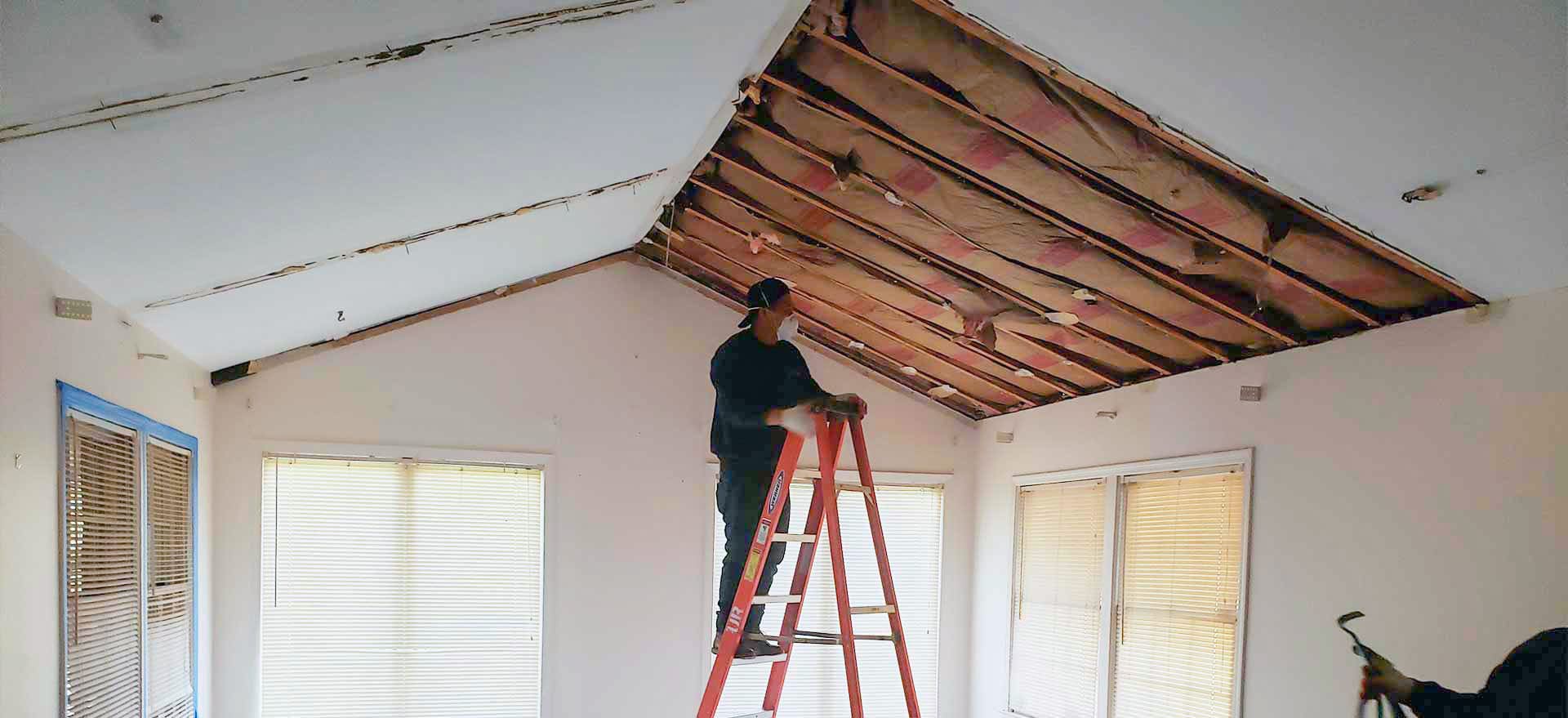
3. Removal: Certified technicians carefully remove contaminated materials (drywall, insulation, carpet) and clean all surfaces with HEPA vacuuming and antimicrobial treatment. Porous materials often require replacement.
4. Moisture Control: Root moisture sources are eliminated (water intrusion repair, ventilation installation, dehumidification). Without addressing the moisture source, mold recurrence is inevitable.
5. Clearance and Testing: Post-remediation air sampling confirms mold levels are safe before re-occupancy. Documentation satisfies NYC regulations and protects your property value.
Frequently Asked Questions
What types of mold are commonly found in NYC apartments?
Common NYC apartment molds include Cladosporium, Penicillium, Aspergillus, and Stachybotrys (black mold). While many molds are non-toxic, some produce allergens or mycotoxins. Professional testing identifies specific mold types and remediation urgency.
Can I remove mold myself in my NYC apartment?
DIY mold removal is not recommended and often violates NYC Local Law 55. Professional remediation prevents improper containment, spore spread to neighbors, and incomplete treatment. Landlords are liable for professional remediation under NYC housing law.
How long does NYC mold remediation take?
Small mold removal (under 10 sq. ft.) takes 1–3 days. Moderate contamination requires 3–7 days. Extensive mold affecting multiple areas or requiring structural repair may take 2–4 weeks. Post-remediation testing adds 24–48 hours for lab analysis.
Is mold remediation covered by NYC renters insurance?
Most renters policies don’t cover mold remediation if the landlord is responsible for maintenance. Landlords’ insurance typically covers mold if caused by building defects. Check your policy details and contact your insurance provider for clarification.
What should I do if my landlord refuses to remediate mold in my NYC apartment?
Document the mold with photos, submit written complaints to your landlord and NYC Housing Authority, request mold testing, and consult a tenant rights lawyer. You may withhold rent or break your lease without penalty if mold conditions persist.
Does mold remediation require apartment vacancy in NYC?
Small mold removal can often occur with tenants present if proper containment is maintained. Large-scale remediation or those affecting HVAC systems typically require temporary relocation. Landlords must pay relocation costs under NYC law.
How can I prevent mold in my NYC apartment?
Maintain humidity below 50% using dehumidifiers, use exhaust fans during showers, fix plumbing leaks promptly, ensure proper window insulation, and inspect for water intrusion regularly. Report maintenance issues to your landlord immediately.
Conclusion: Professional Mold Removal Services in NYC
Mold in NYC apartments, brownstones, and commercial spaces demands professional remediation that meets strict local regulations and protects occupant health. Whether you’re a tenant asserting your rights under Article 32, a landlord meeting your legal obligations, or a commercial property owner protecting your business, understanding NYC mold regulations and costs ensures safe, compliant remediation.
Upper Restoration provides expert mold removal and remediation services throughout NYC, including all five boroughs and Long Island. Our certified technicians understand NYC Local Law 55, Article 32 requirements, and landlord-tenant dynamics. We conduct thorough mold assessment, professional remediation, moisture control, and post-remediation testing to ensure complete recovery and regulatory compliance.
Don’t let mold compromise your health or property. Call Upper Restoration’s 24/7 emergency line for immediate mold removal in NYC. We serve all five boroughs, Long Island, and the tri-state area. Safe, compliant mold remediation starts now.
About Upper Restoration
Upper Restoration is a full-service property restoration company serving New York City and Long Island. Licensed by the NYC Department of Labor for mold remediation and the NYC Department of Environmental Protection for asbestos abatement, Upper Restoration provides 24/7 emergency response for water damage, fire damage, mold contamination, asbestos hazards, and storm damage. Our IICRC-certified technicians serve all five NYC boroughs — Manhattan, Brooklyn, Queens, the Bronx, and Staten Island — as well as Nassau County and Suffolk County communities across Long Island.