Fire Damage Restoration: Timeline, Cost, and What to Expect
A house fire is one of the most traumatic events a homeowner can experience. Beyond the immediate danger, the aftermath involves complex decisions about damage assessment, restoration timelines, costs, and insurance claims. Understanding the fire damage restoration process—from initial assessment through final reconstruction—helps you navigate recovery with confidence. The National Fire Protection Association reports that residential fires cause an average of $7,600 in direct property damage per incident, with many exceeding $50,000–$300,000+ for significant fires.
This comprehensive guide covers the complete fire restoration journey: what happens immediately after a fire, professional restoration phases, realistic timelines for each stage, accurate cost ranges, the insurance process, and what to expect from start to finish.
Fire Damage Restoration: The Six Critical Phases
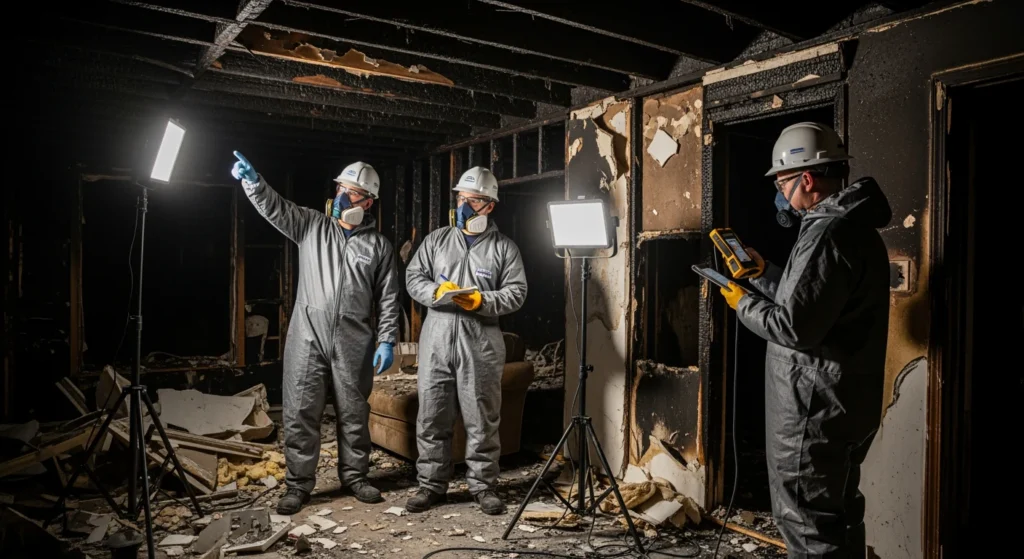
Phase 1: Emergency Response & Stabilization (0–24 Hours)
Immediately after firefighters extinguish the fire, professional restoration begins.
What Happens
- Structural assessment: Professional evaluation of building safety and structural integrity
- Utilities shut-off verification: Electricity, gas, water turned off if compromised
- Tarping and board-up: Roof holes and broken windows covered to prevent weather damage
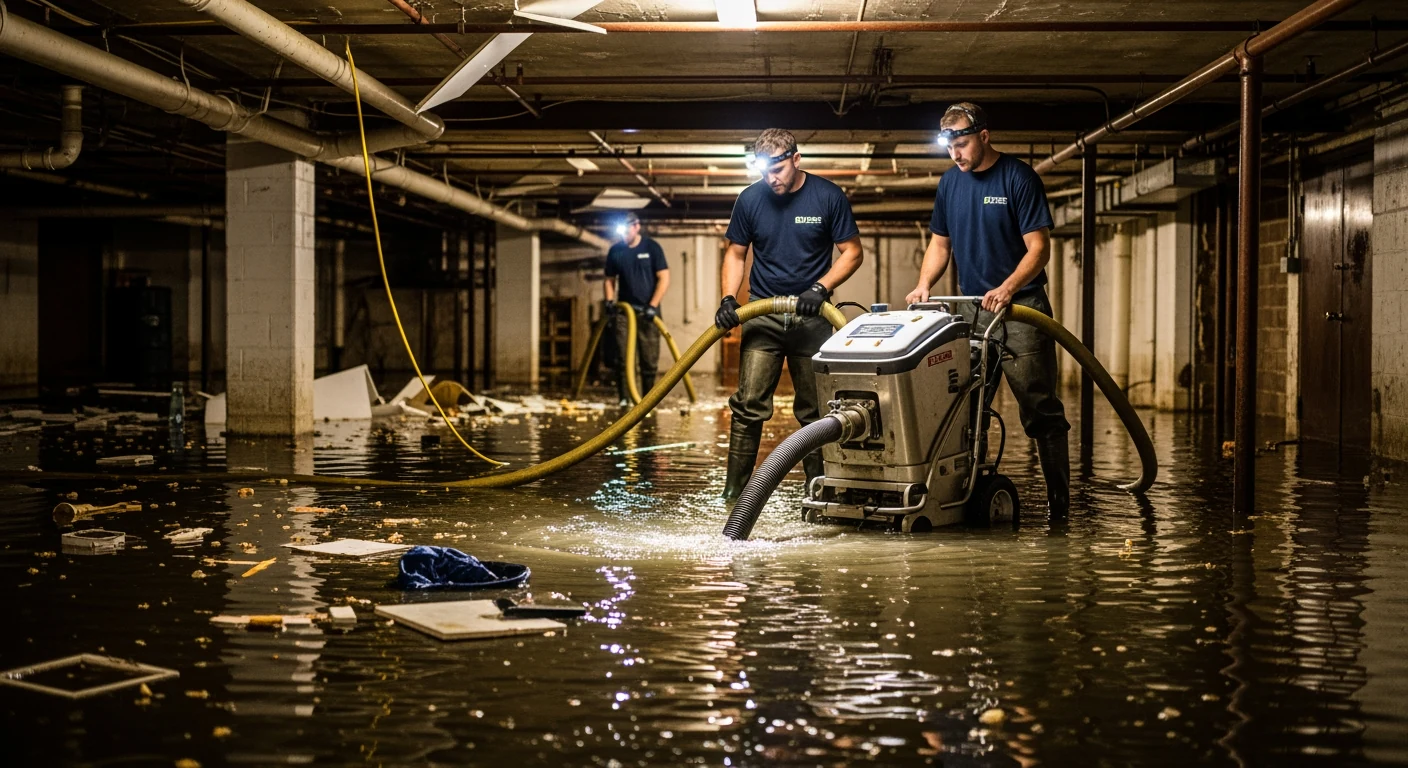
- Water removal: Firefighting water extracted from building
- Initial debris assessment: Salvageable items separated from total loss items
- Insurance documentation: Photos, video, detailed inventory created
Typical Cost
- Emergency stabilization: $2,000–$8,000
- Emergency board-up and tarping: $1,500–$5,000
- Water removal: $1,000–$3,000
- Documentation and assessment: Included with insurance claim
- Phase 1 Total: $4,500–$16,000
Timeline
Duration: 4–24 hours from fire extinguishing to structural stabilization completion.
Phase 2: Damage Assessment & Mitigation (24–72 Hours)
Professional restoration teams now conduct detailed damage evaluation and begin mitigation to prevent secondary damage.
What Happens
- Full scope assessment: Detailed evaluation of fire, smoke, and water damage extent
- Soot and smoke layer mapping: Determine cleaning vs. replacement needs
- Mold risk assessment: Evaluate moisture that could lead to mold development
- Hazmat assessment: Identify asbestos, lead, or other hazardous materials (older homes)
- Salvage prioritization: Categorize items: restore, store, or discard
- Decontamination planning: Develop smoke and odor removal strategy
- Insurance adjuster coordination: Provide estimates and timelines
Typical Cost
- Comprehensive damage assessment: $500–$1,500
- Initial mitigation setup: $2,000–$5,000
- Equipment rental (dehumidifiers, air scrubbers): $300–$800 for first 3 days
- Phase 2 Total: $2,800–$7,300
Timeline
Duration: 24–72 hours for initial assessment completion.
Phase 3: Content Removal & Off-Site Cleaning (1–4 Weeks)
Salvageable items are removed and professionally cleaned; non-salvageable items are disposed of.
What Happens
- Contents extraction: All remaining items carefully removed from structure
- Off-site inventory: Items catalogued and stored in climate-controlled facility
- Professional cleaning: Soot and smoke removal from furniture, electronics, clothing using specialized equipment
- Decontamination of belongings: Smoke odor removal, sanitization
- Documentation for insurance: Detailed inventory with before/after photos
Typical Cost
- Contents removal and storage: $3,000–$10,000 (varies by volume)
- Professional cleaning per item: $50–$500 depending on type and damage
- Odor removal and decontamination: $2,000–$5,000
- Average restoration recovers 40–60% of contents value
- Phase 3 Total: $5,000–$15,000+
Timeline
Duration: 1–4 weeks depending on volume of contents and extent of fire damage.
Phase 4: Structure Cleaning & Decontamination (2–6 Weeks)
The building itself is professionally cleaned to remove all smoke, soot, and fire residue.
What Happens
- Structural soot removal: Walls, ceilings, floors professionally cleaned
- HVAC system cleaning: Ducts, vents, furnace decontaminated to prevent smoke spread throughout home
- Smoke odor elimination: Ozone treatment, hydroxyl generators, or other odor neutralization methods
- Carpet and flooring assessment: Determine if salvageable or requires replacement
- Fiberglass and insulation evaluation: Replacement needs assessed
- Air quality testing: Verify smoke particles and hazardous substances removed
Typical Cost
- Professional structure cleaning (per 1,000 sq ft): $2,000–$5,000
- HVAC decontamination: $800–$2,000
- Odor removal treatment: $1,500–$4,000
- Air quality testing: $300–$800
- Carpet cleaning or replacement assessment: $500–$2,000
- Phase 4 Total: $5,100–$13,800
Timeline
Duration: 2–6 weeks depending on fire size and structural complexity.
Phase 5: Structural Repairs & Reconstruction (4–12 Weeks)
Damaged structure is repaired or rebuilt. This is the longest phase.
Mild to Moderate Damage (Damage to single room/area, fire not spreading)
- Drywall replacement: $1,000–$5,000
- Flooring repair/replacement: $1,500–$6,000
- Paint and finishing: $500–$2,000
- Electrical/plumbing repairs (if fire damaged systems): $1,000–$4,000
- Moderate Damage Total: $4,000–$17,000
- Timeline: 4–6 weeks
Severe Damage (Multiple rooms affected, significant structural damage)
- Roof replacement (if burned): $8,000–$30,000+
- Framing and structural replacement: $10,000–$50,000+
- Electrical system replacement: $3,000–$15,000
- Plumbing system replacement: $2,000–$10,000
- New drywall, insulation, flooring: $10,000–$40,000+
- Kitchen/bathroom rebuild: $5,000–$25,000+ per room
- Severe Damage Total: $38,000–$170,000+
- Timeline: 8–12 weeks+
Phase 6: Final Inspection & Occupancy (Final 1–2 Weeks)
Building undergoes final inspection to ensure safety and readiness for occupancy.
What Happens
- Fire marshal inspection: Official verification that fire damage is corrected
- Building permit inspection: Verification of code compliance for repairs
- Utility restoration: Electricity, gas, water turned back on and tested
- Final walkthrough: Homeowner verifies all repairs completed to satisfaction
- Insurance final claim settlement: Any remaining disputed items resolved
Typical Cost
- Permits and inspections: $500–$2,000 (often included in reconstruction bid)
- Utility restoration: $300–$1,000
- Phase 6 Total: $800–$3,000
Timeline
Duration: 1–2 weeks for final inspections and clearance to occupy.
Fire Damage Restoration Timeline by Severity
Small Fire (Contained to One Room, Minimal Smoke Spread)
- Total timeline: 4–8 weeks
- Week 1: Emergency response and stabilization
- Weeks 2–3: Content removal and structure cleaning
- Weeks 4–6: Drywall replacement, painting, finishing
- Weeks 7–8: Final inspection and move-in
- Estimated cost: $15,000–$40,000
Moderate Fire (Multiple Rooms Affected, Moderate Smoke Damage)
- Total timeline: 8–16 weeks
- Week 1: Emergency response
- Weeks 2–4: Content removal and structure cleaning
- Weeks 5–10: Significant structural repairs, system replacements
- Weeks 11–14: Finishing (paint, flooring, fixtures)
- Weeks 15–16: Final inspections and move-in
- Estimated cost: $40,000–$150,000
Severe Fire (Whole-Home or Multi-Story Damage, Complete Rebuild Needed)
- Total timeline: 4–8 months
- Weeks 1–2: Emergency response
- Weeks 3–6: Content removal and initial demolition
- Weeks 7–20: Major reconstruction (framing, electrical, plumbing, HVAC, roofing)
- Weeks 21–28: Interior finishing
- Weeks 29–32: Final systems, fixtures, inspections
- Estimated cost: $150,000–$500,000+
Fire Damage Restoration Cost Breakdown
By Damage Component
- Water damage (firefighting water): 10–20% of total cost ($3,000–$8,000 for moderate fire)
- Structural damage (framing, roof): 25–35% of total cost
- Systems replacement (electrical, plumbing, HVAC): 15–25% of total cost
- Interior finishing (drywall, paint, flooring): 20–30% of total cost
- Contents replacement: 10–20% of total cost
- Contents cleaning/salvage: 5–10% of total cost
Average Cost by House Size
- Small home (1,000 sq ft) with moderate fire: $30,000–$50,000
- Medium home (2,000 sq ft) with moderate fire: $60,000–$100,000
- Large home (3,500+ sq ft) with moderate fire: $100,000–$200,000
- Severe fire in large home requiring near-complete rebuild: $200,000–$500,000+
Understanding Fire Damage Insurance Claims
What Homeowners Insurance DOES Cover for Fire Damage
- Structural damage: 100% coverage
- Contents (personal belongings): Typically 70% of home’s coverage limit
- Additional living expenses: Hotel, meals, transportation while home uninhabitable (typically 12–24 months)
- Loss of use: Rental income loss if rental property
Insurance Claim Process
Step 1: Immediate Notification (Within 24 Hours)
- Contact insurance company immediately; obtain claim number
- Document fire scene with photos/video before any cleanup
- Preserve all fire-damaged items for insurance adjuster inspection
- Request emergency mitigation coverage authorization
Step 2: Insurance Adjuster Assessment (3–10 Days)
- Adjuster visits home and evaluates all damage
- Obtain detailed estimate from restoration contractor
- Provide adjuster with contents inventory (pre-fire photos helpful)
Step 3: Initial Settlement Payment (10–30 Days)
- Insurance issues initial payment (typically 50–70% of estimated damages)
- Final payment issued after work completion and verification
Step 4: Ongoing Communication
- Keep restoration contractor and insurance in communication
- Report any additional damage discovered during restoration
- Request adjustments if repair costs exceed estimates
Common Insurance Issues
- Claim denial: If fire was intentional or caused by negligence (rare with homeowners)
- Underpayment: Insurance estimates lower than contractor bids (common)
- Coverage disputes: Items claimed as partial loss vs. total loss
- ACV vs. Replacement Cost: Insurance may pay Actual Cash Value (less) instead of full replacement
Solution: Hire independent adjuster or public adjuster if settlement dispute ($150–$300 fee, but can recover $5,000–$20,000+ in disputed claims).
Smoke and Soot Damage: The Hidden Costs
What You Need to Know About Smoke Damage
Smoke damage often exceeds the fire damage itself. Smoke particles penetrate into:
- HVAC ductwork (requires complete cleaning: $800–$2,000)
- Insulation (often requires replacement: $1–$3 per sq ft)
- Contents/personal belongings (professional cleaning: $50–$500 per item)
- Drywall and structural materials (may require replacement even if not burned)
Smoke Odor Removal Methods and Costs
- Hydroxyl generator treatment: $1,500–$3,000 (safest, no harmful residue)
- Ozone treatment: $800–$1,500 (effective but must evacuate home during treatment)
- Thermal fogging: $1,000–$2,000 (penetrates smoke deeply)
- Professional air scrubbers: $300–$600 per week rental
- Combination approach (most effective): $3,000–$5,000
Preventing Total Loss: Working with Professional Restoration
Why Professional Restoration Matters
- Professional cleaning recovers 40–60% of contents (DIY recovery: 10–20%)
- Proper mitigation prevents secondary damage (mold, rust, deterioration)
- Insurance documentation increases claim approval and payment
- Professional assessment prevents costly mistakes during reconstruction
Choosing a Fire Restoration Contractor
- IICRC certification (Institute of Inspection, Cleaning and Restoration Certification)
- State license and bonding verification
- References from recent fire restoration projects
- Written estimate breaking down all cost components
- Insurance company coordination and documentation support
- Detailed project timeline with phase breakdowns
Frequently Asked Questions
How long does fire damage restoration typically take?
Small fires: 4–8 weeks. Moderate fires: 8–16 weeks. Severe fires requiring structural reconstruction: 4–8 months or longer.
What’s the most expensive part of fire damage restoration?
Structural replacement (framing, roof, systems) represents 50–60% of total costs in severe fires. In moderate fires, contents cleaning and removal comprises 30–40% of costs.
Can I stay in my home during fire damage restoration?
Not during Phase 4–5 (structure cleaning and reconstruction). Most insurance policies include additional living expenses (hotel, meals) coverage during this period.
Does homeowners insurance pay for all fire damage restoration?
Yes, assuming fire was accidental. Intentional fire or fire caused by negligence may result in claim denial. Standard deductible applies ($500–$5,000).
What if my insurance estimate is lower than contractor bid?
Request detailed breakdown from both parties and provide adjuster with competitive bids. Hire independent adjuster if discrepancy exceeds $5,000–$10,000.
Conclusion
Fire damage restoration is a complex, multi-phase process spanning weeks to months depending on fire severity. Understanding the six restoration phases—emergency response, assessment, content removal, structure cleaning, structural repair, and final inspection—helps you navigate recovery with realistic expectations and timelines.
Costs range from $15,000–$40,000 for small fires to $150,000–$500,000+ for severe fires requiring near-complete reconstruction. Professional restoration recovers 40–60% of contents compared to DIY efforts recovering only 10–20%.
Fire damage is emotionally and financially devastating. Don’t navigate it alone. Upper Restoration provides complete fire damage restoration services across Long Island, all NYC boroughs, and the tri-state area. Our IICRC-certified specialists handle emergency response, insurance coordination, content cleaning, structural reconstruction, and final verification. Call Upper Restoration 24/7—we’re here to guide your recovery from the first hour through final restoration.
About Upper Restoration
Upper Restoration is a full-service property restoration company serving New York City and Long Island. Licensed by the NYC Department of Labor for mold remediation and the NYC Department of Environmental Protection for asbestos abatement, Upper Restoration provides 24/7 emergency response for water damage, fire damage, mold contamination, asbestos hazards, and storm damage. Our IICRC-certified technicians serve all five NYC boroughs — Manhattan, Brooklyn, Queens, the Bronx, and Staten Island — as well as Nassau County and Suffolk County communities across Long Island.