April is the most consequential month for New York City and Long Island property owners who want to get ahead of the year’s most expensive damage events rather than respond to them. The window between winter’s structural stresses and summer’s active building season is narrow — typically four to six weeks — and using it well separates properties that accumulate deferred damage from those that don’t. After the Blizzard of 2026 and a winter with two significant nor’easters, the post-winter assessment has more urgency than in most years. This is a systems-based inspection protocol, not a generic checklist — organized by building system and failure mechanism, with specific standards for what acceptable looks like.
Roof System Assessment
The roof is the highest-priority system for April inspection in both NYC flat-roof buildings and Long Island pitched-roof residential properties. Both roof types sustained specific stresses during winter 2026 that require direct assessment:
NYC flat roofs: Inspect all perimeter flashing for separation, lifting, or gaps. Flashing should be fully adhered to the wall surface with no visible gaps or lifted edges. Inspect the membrane surface for blistering, cracking, or punctures — the Blizzard of 2026’s snow load (approximately 20 lbs/sq ft for wet snow at 20″ depth) may have stressed membrane seams that were already approaching end of life. Clear all roof drains of debris and confirm positive drainage — standing water that doesn’t drain within 48 hours of rain indicates a drainage problem that will accelerate membrane degradation and increase leak risk throughout the spring storm season.
Long Island pitched roofs: Look for displaced, cracked, or missing shingles — particularly at ridges and hips where snow slides create concentrated shear stress. Inspect all valley flashings for gaps or corrosion. Check soffit and fascia for rot or moisture damage, which indicates either inadequate attic ventilation allowing condensation buildup or ice dam damage from winter. If ice dams were visible this winter, inspect attic insulation levels — insufficient insulation (below R-38 for most Long Island climate zone requirements) is the root cause of ice dam formation and must be addressed to prevent recurrence.
Exterior Masonry and Building Envelope
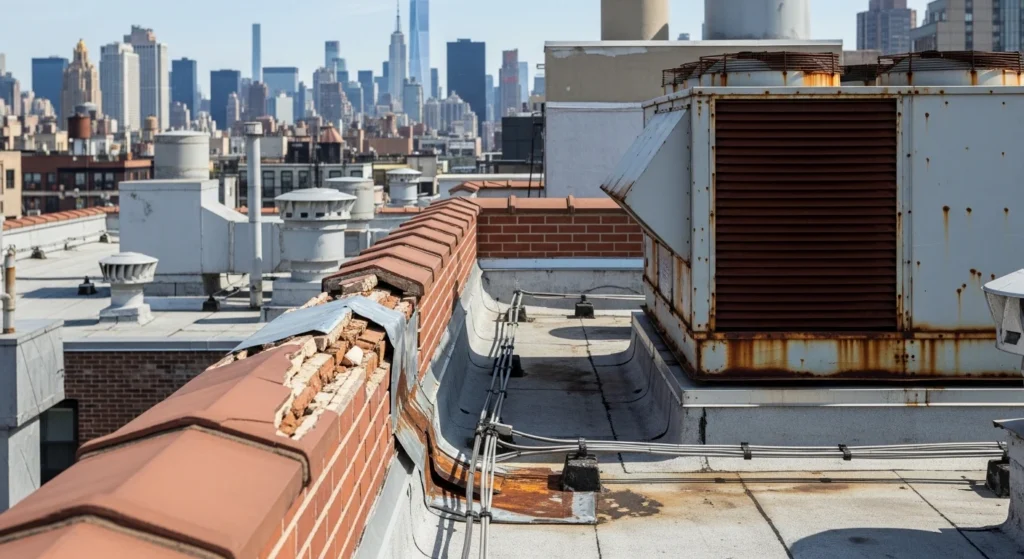
For NYC’s brick masonry building stock — which represents the majority of pre-war and mid-century construction throughout the boroughs and parts of Long Island — April inspection of the building envelope identifies winter freeze-thaw damage before it becomes a water intrusion problem during spring rains.
Mortar joint inspection: Look for crumbling, missing, or recessed mortar at brick joints. Mortar that has retreated more than ¼ inch behind the brick face is a water infiltration path. This condition — called spalling mortar or joint erosion — requires tuckpointing before rain season. The process involves removing deteriorated mortar to a depth of ¾ inch and replacing it with fresh mortar matched to the existing wall composition. In NYC’s landmarked districts, mortar composition must match original specifications — do not use Portland cement mortar on pre-1930s lime mortar masonry.
Lintel and sill inspection: Stone or steel lintels above window and door openings are freeze-thaw stress points. Steel lintels that are beginning to rust expand as they corrode, cracking the surrounding brick. Look for horizontal cracks immediately above window openings — this is the classic lintel failure signature. Stone sills with cracks or deteriorated caulking at the sill-to-frame joint are direct water pathways into wall cavities.
Window frame perimeter caulking: Inspect all exterior window frame perimeters for gaps, cracks, or failed caulking. This is a two-minute inspection that prevents significant wall cavity moisture intrusion. Caulking that is cracked, peeling, or shows gaps larger than 1/16 inch should be removed and replaced with a polyurethane or silicone sealant rated for exterior use.
Basement and Foundation Moisture Assessment
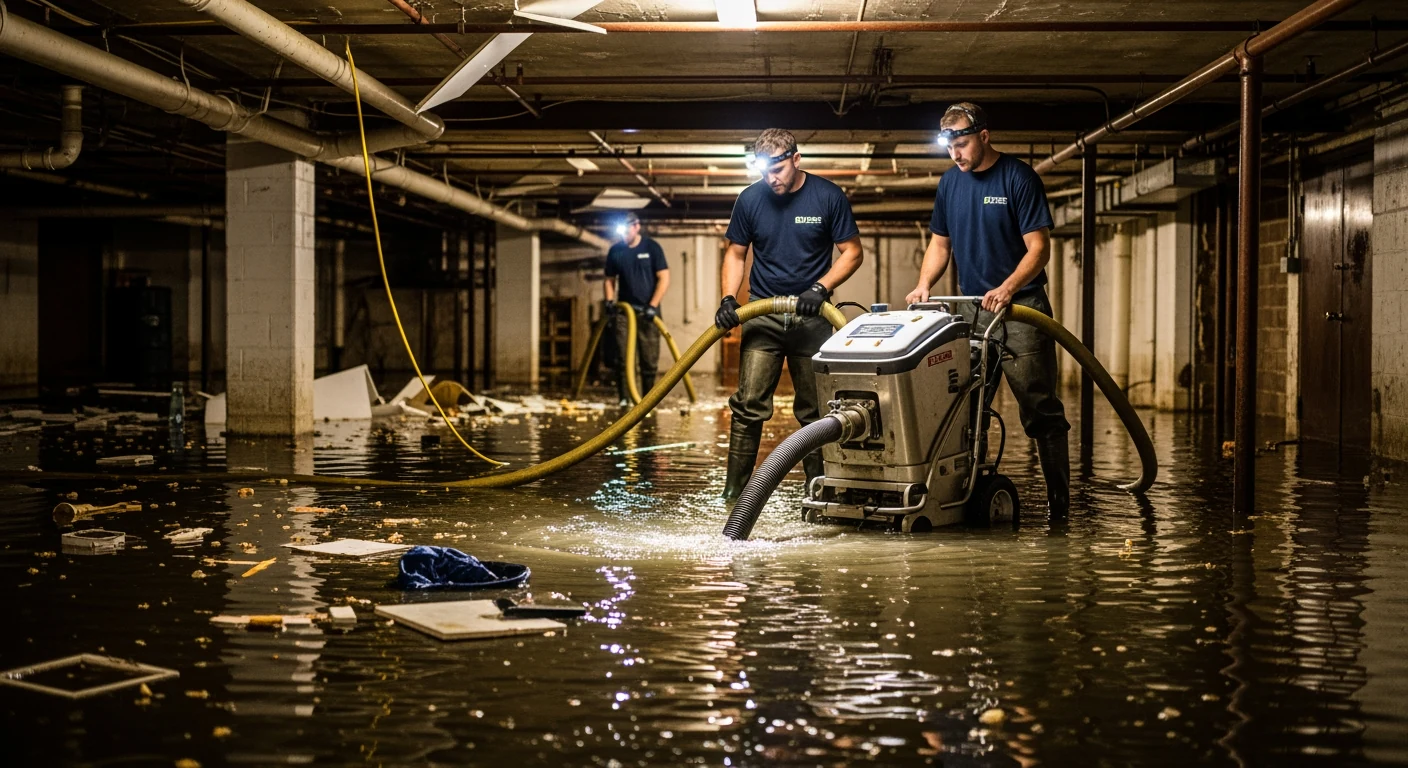
April is when winter’s moisture accumulation in below-grade spaces becomes apparent. Soil around foundations reaches peak saturation in March and April as snowmelt and spring rains combine, creating hydrostatic pressure against foundation walls that exceeds what these walls experience at any other time of year.
Acceptable moisture content ranges: Foundation wall moisture readings (taken with a contact moisture meter) below 17% for concrete block, below 15% for poured concrete, are generally acceptable. Readings above these thresholds indicate active moisture migration and require investigation of the source before interior finishing work is performed. If you are contemplating finishing a basement space in spring 2026, take moisture readings in April before making any commitments about scope or timeline — moisture content in April will tell you whether the space is suitable for finish work or whether waterproofing must precede renovation.
Sump pump testing: April is the time to test sump pump function before the systems are needed. Pour water into the sump pit to the float trigger level and confirm the pump activates, discharges properly, and the float resets. If you have a battery backup system, test it independently. After the Blizzard of 2026 power outages that affected Nassau and Suffolk counties, any Long Island property owner whose backup sump system wasn’t tested is operating on assumption.
HVAC System Assessment
April HVAC inspection focuses on the transition from heating to cooling operation — and on winter-specific failure modes:
Condensate drainage: Central air conditioning systems produce condensate that drains through a condensate line. These lines accumulate algae growth during the cooling season; during winter dormancy, standing water in the line can freeze and crack PVC condensate pans and drain lines. Before the first cooling cycle of 2026, inspect condensate pans for cracks or standing water and confirm drain lines are clear. A blocked condensate line will overflow the pan and produce a water damage event in the first hot week of summer when the system runs continuously — exactly the wrong time to discover the problem.
Ductwork inspection for condensation damage: In buildings where HVAC ductwork runs through unconditioned spaces — attics, crawlspaces, or exterior wall cavities — winter condensation can accumulate on duct exterior surfaces and produce moisture damage or mold growth on surrounding materials. Inspect accessible duct sections for water staining, rust on metal ducts, or soft spots in duct insulation wrapping that indicate trapped moisture.
Plumbing System Inspection
After a winter with significant freeze events, April plumbing inspection targets supply line integrity and valve functionality — two areas where winter stress creates failures that manifest in spring:
Supply line inspection under fixtures: Braided stainless steel supply lines under kitchen and bathroom sinks have a typical service life of 5 to 8 years. Lines that were stressed by temperature fluctuations during winter are higher failure risk. Visually inspect all supply lines for bulging, corrosion at fittings, or any evidence of weeping at connections. Replace any supply line over 7 years old regardless of visible condition — the cost of replacement ($15–$40 per line) is negligible compared to the cost of a supply line failure during an unoccupied period.
Shut-off valve operation test: Test all individual fixture shut-off valves for operation — turn them off and back on to confirm they are not seized. A seized shut-off valve under a fixture means that when that fixture fails, you must shut the building main to stop water flow. In NYC apartment buildings with shared systems, this creates operational complexity and potential HPD compliance issues during emergency repairs.
Documentation Workflow for Property Managers
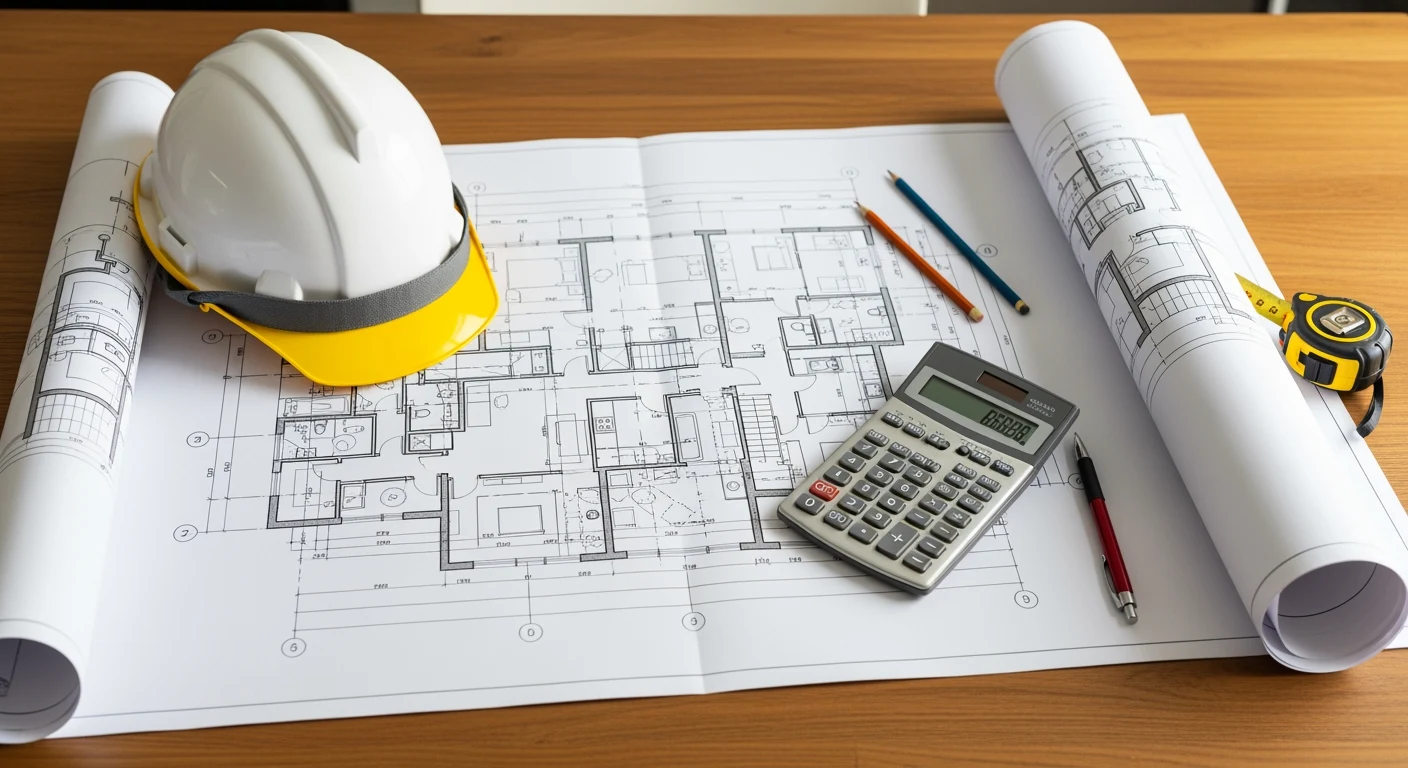
For property managers with multiple NYC or Long Island buildings, the April inspection should produce a documented condition record for each property — not a mental note or a verbal summary. The practical reason: when a water damage event occurs in October and an insurance adjuster asks about the condition of the roof flashing in April, a written inspection report with photographs is the difference between a covered claim and a contested one predicated on deferred maintenance.
Minimum documentation per property: date of inspection, inspector name and credentials, condition of each system category (roof, envelope, basement, HVAC, plumbing) with photographs of any deficiencies noted, list of repairs recommended with priority level, and confirmation of repairs completed with contractor invoices attached. Stored digitally with the property file and accessible to the insurance carrier upon request.
Frequently Asked Questions About Post-Winter Property Inspection
What should I inspect first after winter? Roof and building envelope first — these are the most likely sources of water intrusion during spring rains. Then basement and foundation moisture levels, which peak in April. HVAC and plumbing systems before the first hot weather of the season.
How do I know if my building has hidden water damage from winter? Signs include: new musty odors in any space, staining at baseboards or ceiling joints that wasn’t present last fall, soft or discolored flooring near exterior walls, increased condensation on interior window surfaces, and elevated moisture meter readings on basement walls. Professional moisture mapping with infrared thermal imaging is the definitive method for locating hidden moisture accumulation.
What does a post-winter property inspection cost in NYC? DIY visual inspection costs nothing but time. A professional building envelope inspection by a licensed architect or building consultant runs $500–$2,000 for a standard NYC residential building. A full systems inspection including roof, envelope, HVAC, and plumbing by a licensed general contractor or property inspector runs $800–$3,000 depending on building size and access complexity.
Do I need a licensed contractor to perform an April inspection? No license is required to perform a visual building inspection. However, for multi-unit residential buildings in NYC, any repairs identified must be performed by licensed contractors, and documentation of repairs performed by licensed contractors provides the strongest protection in HPD proceedings and insurance claims.
Related reading: Why March Is the Most Dangerous Month for NYC Properties | Before You Renovate in NYC — The Asbestos and Lead Testing Protocol | Spring Storm Season in NYC — Structural Vulnerabilities That Create $50,000 Claims | Water Heater Failure in NYC — What the Leak Tells You | Long Island Asbestos Abatement and Removal Guide