Water Damage Restoration in Long Island: Your Complete Recovery Guide
Water damage restoration on Long Island requires specialized knowledge of the region’s unique environmental challenges. As one of the most water-vulnerable areas in the Northeast, Long Island experiences multiple water damage threats—from coastal flooding and nor’easters to storm surge and aging infrastructure failures. This comprehensive guide covers everything you need to know about water damage restoration specific to Nassau and Suffolk counties, including local regulations, response times, costs, and how to choose the right restoration company.
Understanding Long Island’s Water Damage Risks
Long Island’s geography creates a perfect storm for water damage vulnerability. The island sits at sea level with an average elevation of just 0–100 feet, making it highly susceptible to flooding events. According to FEMA data, Long Island experiences some of the highest flood insurance costs in the nation, with over 210,000 properties in high-risk flood zones.
The region’s water damage risks include:
- Coastal flooding: Storm surge and king tides push saltwater inland, damaging foundations and freshwater supplies
- Nor’easters: Seasonal storms (September through April) combine heavy rain, wind, and storm surge
- Hurricane threats: Atlantic hurricane season (June–November) brings catastrophic wind and flood damage
- Aging infrastructure: Sewer systems installed 50–100 years ago frequently back up during heavy rains
- High water table: The shallow groundwater table (4–6 feet in many areas) leads to groundwater intrusion in basements
- Plumbing failures: Frozen pipes in winter months cause sudden interior flooding
Understanding these local risks is the first step toward preparing your Long Island property and responding appropriately when water damage occurs.
Nassau vs. Suffolk County: Different Challenges
While both parts of Long Island share coastal vulnerability, Nassau and Suffolk counties face distinct water damage patterns.
Nassau County (western Long Island, including communities like Mineola, Garden City, and Freeport) features higher population density, older residential neighborhoods, and extensive urban infrastructure. Water damage here typically stems from:
- Backed-up municipal sewer systems during heavy rains
- Aging basement foundations prone to moisture infiltration
- Proximity to Jamaica Bay and tributaries during storms
- High-density residential areas with shared plumbing systems
Suffolk County (eastern Long Island, including areas like Smithtown, Centerport, and East End Fork) has more suburban sprawl, larger properties, and greater groundwater sensitivity. Water damage risks include:
- Extensive groundwater intrusion in basements and crawlspaces
- Septic system failures affecting groundwater contamination
- Private well flooding and contamination
- Lower-lying areas susceptible to nor’easter surge
Both regions require immediate response to water damage, but the cause and remediation approach may differ based on local geography and infrastructure.
Long Island Water Damage: Response Times and Mitigation
When water damage occurs, response time is critical. The longer water sits in your home, the greater the risk of mold growth, structural damage, and secondary damage to belongings and mechanical systems.
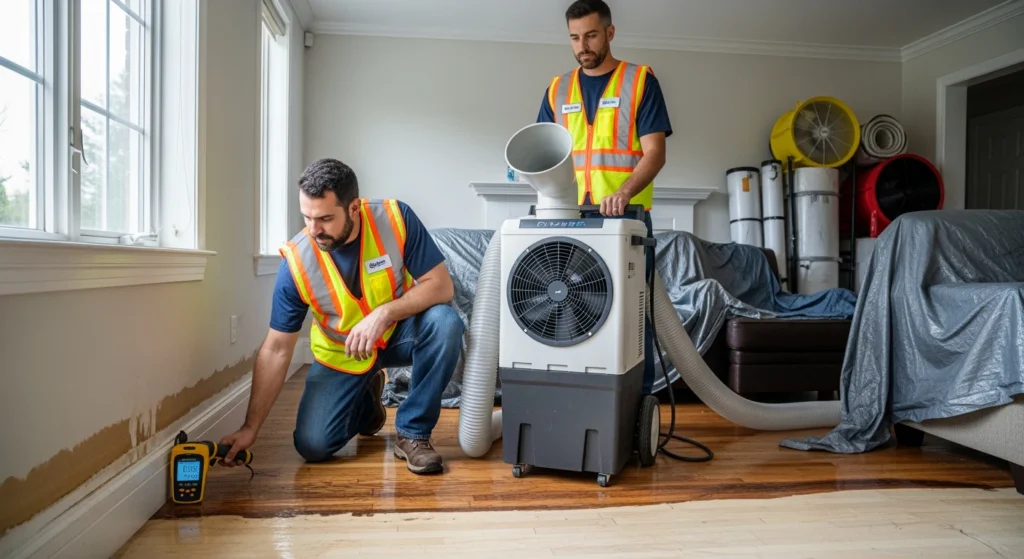
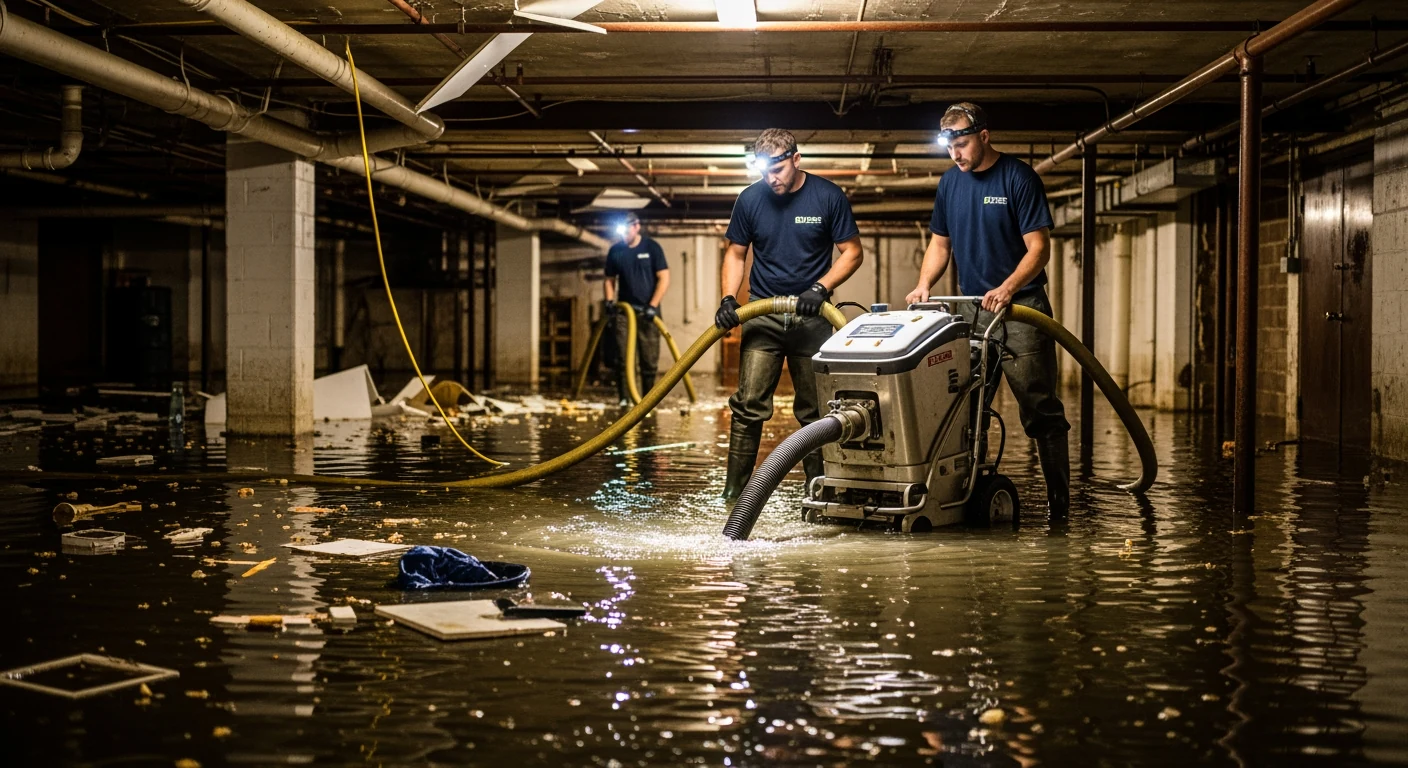
Immediate response (0–24 hours): Water removal and initial drying prevent mold colonization and minimize damage. Professionals should extract standing water using commercial pumps and create airflow with dehumidifiers and air movers.
48–72 hours: Full moisture assessment and professional drying protocols prevent hidden moisture pockets that lead to future mold growth and structural compromise.
Long Island regulations under Nassau and Suffolk County building codes require:
- Licensed mold inspectors for properties with visible mold or water damage affecting more than 10 square feet
- Moisture testing documentation before occupancy restoration
- Proper disposal of contaminated materials per county waste management regulations
- Insurance documentation and claim filing support
Professional restoration companies familiar with Long Island’s regulatory environment can navigate these requirements and expedite your recovery.
Water Damage Restoration Costs on Long Island
Water damage restoration costs vary dramatically based on contamination level, affected area size, and structural extent. Long Island homeowners should expect:
- Minor water damage (under 500 sq. ft., clean water): $2,000–$5,000
- Moderate water damage (500–2,000 sq. ft., gray water): $5,000–$15,000
- Severe water damage (2,000+ sq. ft., black water or sewage): $15,000–$50,000+
- Mold remediation (if required): Additional $2,000–$10,000 depending on contamination spread
Long Island’s high labor costs, specialized equipment requirements, and regulatory compliance add 15–25% compared to national averages. Many homeowners’ insurance policies cover water damage restoration, making professional assessment critical for maximizing your claim recovery.
Choosing a Local Water Damage Restoration Company
When water damage strikes your Long Island home, selecting the right restoration partner is crucial. Look for companies that:
- Serve your specific county: Local experience with Nassau or Suffolk infrastructure, building codes, and insurance company relationships matters
- Offer 24/7 emergency response: Water damage doesn’t wait for business hours; professional companies respond around the clock
- Hold IICRC certifications: The Institute of Inspection, Cleaning and Restoration Certification ensures technicians follow industry-standard protocols
- Provide moisture documentation: Professional moisture meters and thermal imaging verify complete drying before restoration completion
- Work with insurance companies: Experience navigating the claims process reduces your stress and maximizes recovery
- Handle mold assessment: Many water damage jobs require mold inspection and potential remediation; full-service companies coordinate this seamlessly
- Offer content cleaning services: Personal belongings can often be restored through professional content cleaning and inventory documentation for insurance claims
Ask potential companies for references from Long Island homeowners, verification of insurance coverage, and detailed written estimates before committing to work.
Preparing Your Long Island Home for Water Damage
While you can’t prevent all water damage, proactive preparation significantly reduces risk and damage extent:
- Elevate utilities: Move HVAC systems, water heaters, and electrical panels above flood-prone levels
- Seal foundation cracks: Have a foundation specialist identify and seal cracks that allow groundwater intrusion
- Install sump pumps: In basement areas with groundwater issues, quality sump pump systems prevent water pooling
- Service gutters and downspouts: Direct roof water at least 6 feet away from the foundation
- Know your flood zone: Check FEMA flood maps to understand your property’s risk level and insurance requirements
- Maintain your septic system: In Suffolk County properties, regular septic maintenance prevents backups that contaminate groundwater
- Keep insurance current: Standard homeowners policies don’t cover flood damage; flood insurance must be purchased separately through the National Flood Insurance Program (NFIP)
Frequently Asked Questions
How quickly should water damage be addressed on Long Island?
Water damage should be addressed within 24–48 hours to prevent mold growth and secondary damage. Long Island’s climate and humidity levels accelerate mold colonization, making rapid response essential. Contact a licensed restoration company immediately after discovering water damage.
Does homeowners insurance cover water damage restoration on Long Island?
Standard homeowners policies cover water damage from burst pipes, plumbing failures, and roof leaks. However, flood damage from rising water, storm surge, or heavy rains requires separate flood insurance. Check your policy details and contact your insurance agent to understand your coverage limits.
What is the difference between water damage and water intrusion?
Water damage refers to acute water events (burst pipes, flooding) with visible moisture. Water intrusion is chronic moisture seeping through walls, foundations, or roofs over time. Both require professional assessment and remediation to prevent mold and structural issues.
How much does water damage restoration cost on Long Island?
Costs range from $2,000 for minor damage to $50,000+ for severe contamination affecting large areas. Long Island’s labor costs and regulatory requirements add premium pricing compared to national averages. Professional assessment provides accurate estimates based on your specific situation.
Do I need a mold inspection after water damage?
Yes. New York State regulations require mold inspection for water damage affecting more than 10 square feet. Professional mold assessment prevents hidden growth, ensures complete remediation, and provides documentation for insurance claims.
Can water damage cause structural damage to my Long Island home?
Yes. Prolonged water exposure compromises wood beams, drywall, insulation, and foundation integrity. Long Island’s older housing stock is particularly vulnerable. Professional water damage restoration includes structural assessment and remediation to prevent costly future damage.
What should I do if flooding damages my basement in Nassau or Suffolk County?
Shut off electricity at the breaker, evacuate the area (contaminated water poses health risks), and call a licensed restoration company immediately. Document damage with photos for insurance claims. Avoid entering flooded areas until professionals confirm they’re safe.
Conclusion: Professional Water Damage Restoration Services on Long Island
Water damage on Long Island demands rapid, professional response to protect your home, health, and belongings. Whether your damage stems from burst pipes, nor’easters, groundwater intrusion, or municipal sewer backups, specialized local knowledge makes the difference between partial recovery and complete restoration.
Upper Restoration provides 24/7 emergency water damage restoration throughout Long Island, including Nassau County, Suffolk County, and beyond. Our IICRC-certified team responds rapidly to extract water, assess damage, remediate mold, and coordinate insurance claims. We understand Long Island’s unique water damage challenges and deliver comprehensive solutions that restore your home and peace of mind.
Don’t wait—call Upper Restoration at 24/7 emergency line for immediate water damage restoration. We serve all of Long Island, NYC (all 5 boroughs), and the tri-state area. Your recovery starts now.
About Upper Restoration
Upper Restoration is a full-service property restoration company serving New York City and Long Island. Licensed by the NYC Department of Labor for mold remediation and the NYC Department of Environmental Protection for asbestos abatement, Upper Restoration provides 24/7 emergency response for water damage, fire damage, mold contamination, asbestos hazards, and storm damage. Our IICRC-certified technicians serve all five NYC boroughs — Manhattan, Brooklyn, Queens, the Bronx, and Staten Island — as well as Nassau County and Suffolk County communities across Long Island.