Official Answer
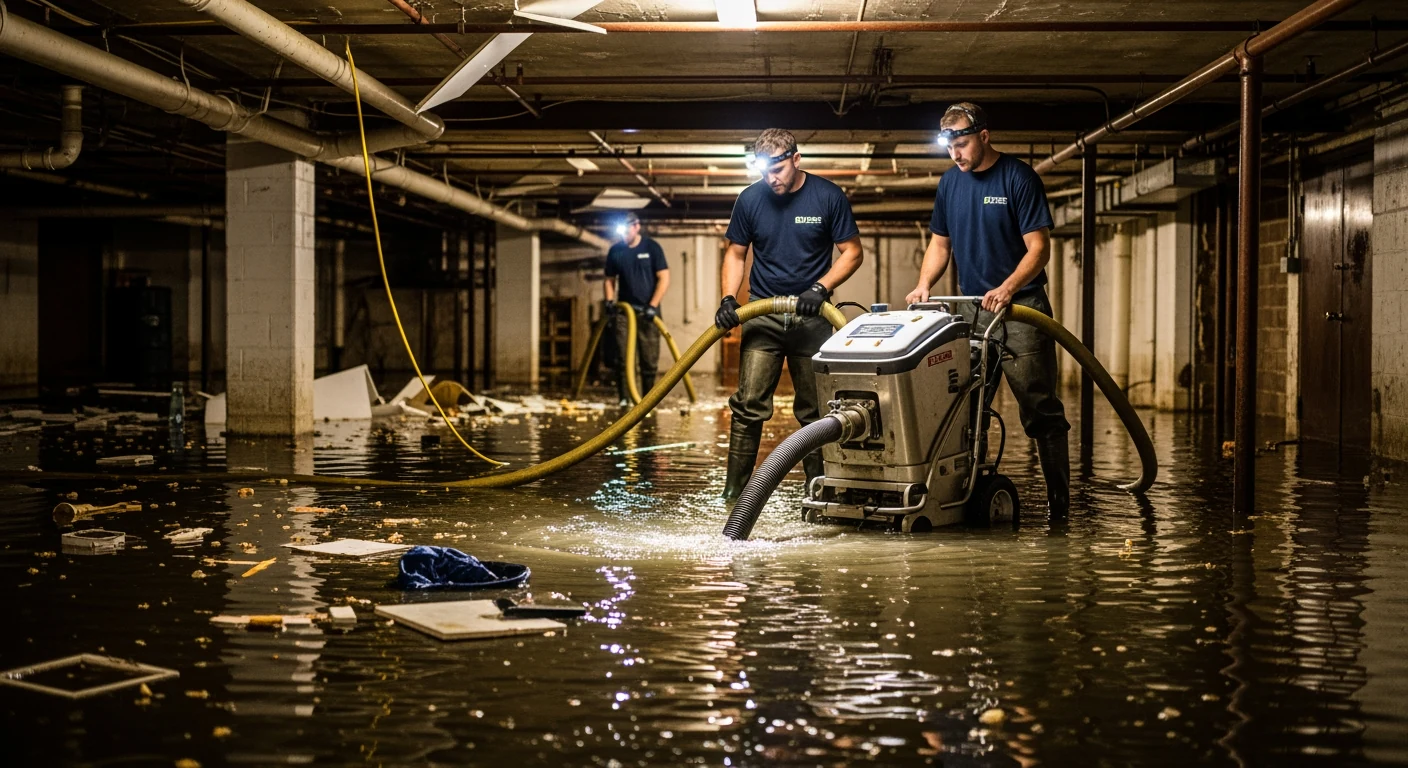
Assessing leak damage requires identifying the water source, looking for visible signs like ceiling stains or warped floors, and using professional tools like thermal imaging cameras and moisture meters to detect hidden water trapped behind walls and under floorboards.
Critical Takeaways
Technical Overview
Assessing leak damage requires identifying the water source, looking for visible signs like ceiling stains or warped floors, and using professional tools like thermal imaging cameras and moisture meters to detect hidden water trapped behind walls and under floorboards.
Technical Specifications & Comparison
| Assessment Tool | What It Does | Invasiveness |
|---|---|---|
| Visual Inspection | Identifies stains, warping, peeling paint | None |
| Thermal Imaging | Spots cool spots caused by hidden moisture | None |
| Penetrating Moisture Meter | Measures exact water content in wood/drywall | Low (small pinholes) |
Frequently Asked Questions
Q: Can water damage hide behind walls?
Yes, water easily wicks up through drywall and insulation, remaining completely hidden while causing rot and mold.
Q: Will my insurance pay for leak assessment?
Most homeowners policies cover the assessment and mitigation of sudden and accidental leaks.
Related Reading