Finding your home underwater or scorched by fire is one of the most distressing experiences a homeowner can face. In the immediate aftermath, your mind is racing: Who do I call? How long will this take? Will my home ever look the same? Traditionally, the path to recovery involves a fragmented approach—calling a “cleanup crew” to dry things out and then hunting for a separate general contractor to put the walls back together. However, this disjointed method often leads to communication breakdowns, insurance delays, and finger-pointing when something doesn’t fit quite right.
At the heart of a successful recovery is understanding the restoration vs reconstruction process. While they are two distinct phases, they are most effective when handled as a single, seamless continuum. By choosing a firm that possesses both the specialized knowledge of emergency mitigation and the skilled craftsmanship of a licensed general contractor, you eliminate the “middleman” stress and ensure that the team rebuilding your home knows exactly what happened behind the walls during the disaster.
This guide will walk you through the holistic, start-to-finish journey of restoration to reconstruction, highlighting how a single point of contact provides the reassurance and convenience you need to turn a house back into a home.
Phase 1: Mitigation & Stabilization
The moment a disaster occurs, the clock starts ticking. Whether it is a burst pipe, a roof leak, or a kitchen fire, the primary goal of Phase 1 is stabilization. This is often referred to as “Mitigation.” The intent is to stop further damage from occurring—preventing mold growth in the case of water or structural collapse in the case of fire.
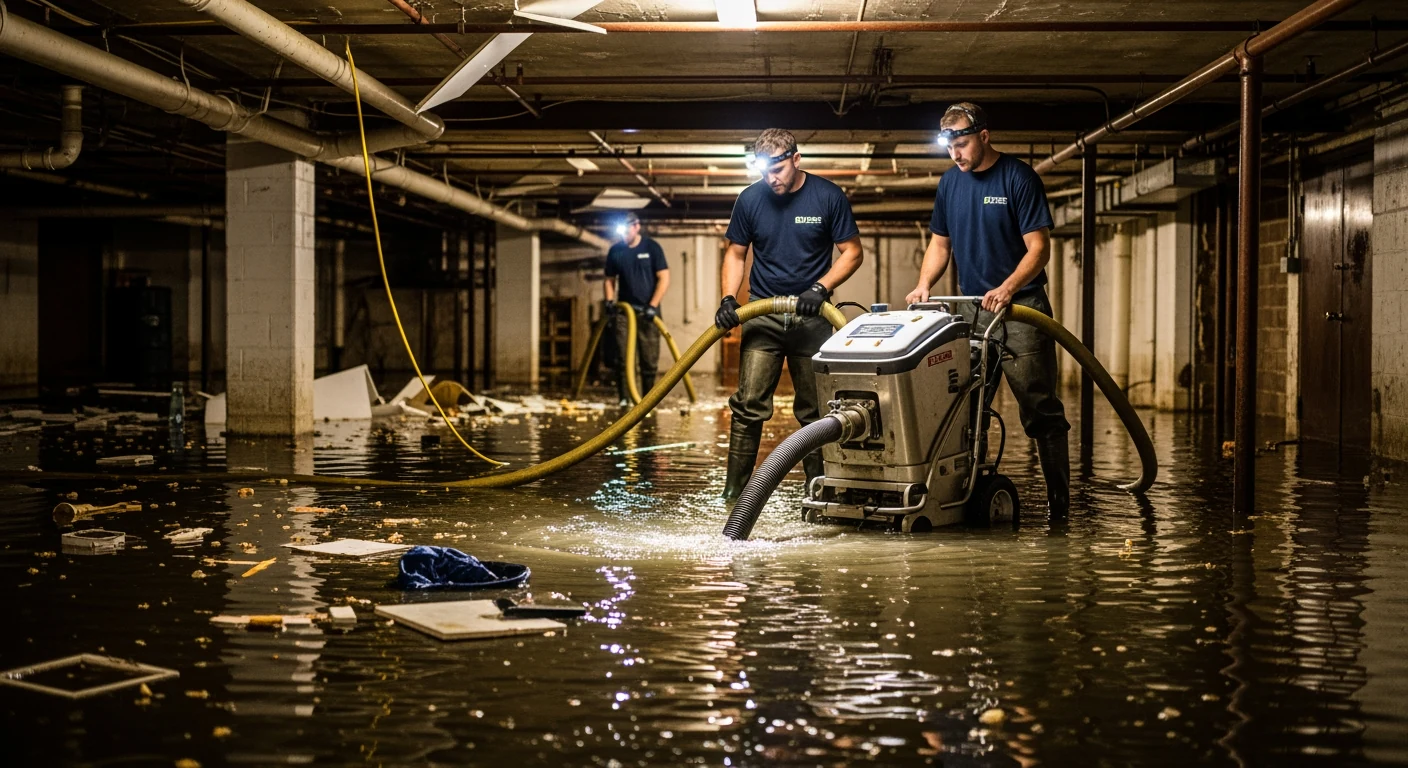
During this phase, our specialized restoration team arrives to perform emergency services. This includes water extraction, the installation of industrial-grade LGR dehumidifiers, and “controlled demolition.” Controlled demolition is a critical part of the restoration vs reconstruction process. Unlike a standard demo crew, a restoration-minded team removes only what is necessary to ensure the structure is dry and safe. We look for the “dry line,” saving as much of your original material as possible to reduce the eventual rebuild cost and timeline.
Stabilization also involves air scrubbing to remove smoke odors or pathogens. By the end of this week, your home will be “clean, dry, and stable.” While it may look stripped down, the foundation for a perfect rebuild has been laid. Because our reconstruction team is already looped in at this stage, they are observing the demo to understand the home’s original layout, wiring, and plumbing configurations before they are hidden by new drywall.
Phase 2: Scoping & Insurance Approval
The most complex part of any home claim isn’t the physical labor—it’s the negotiation with your insurance provider. There is often a significant gap between what an insurance adjuster initially estimates and the actual cost of high-quality materials and labor in today’s market. This is where the “Single Point of Contact” model proves its worth.
In the traditional model, you would have a restoration company billing for the “Emergency Service” claim and a separate contractor bidding for the “Repair” claim. This often leads to “coverage gaps,” where the insurance company refuses to pay the contractor for a repair, claiming the restoration company should have handled it, or vice versa.
As your Project Director, we handle the Scoping process holistically. We use industry-standard software like Xactimate to create a comprehensive estimate that covers both the cleanup and the rebuild. We meet the adjuster on-site, walking them through the specific needs of your home. Because we are a licensed General Contractor, we can speak the language of “code upgrades” and “structural integrity” that simple cleaning companies cannot. This ensures that the transition from the emergency claim to the repair claim is paper-thin and fully funded.
Phase 3: The Rebuild
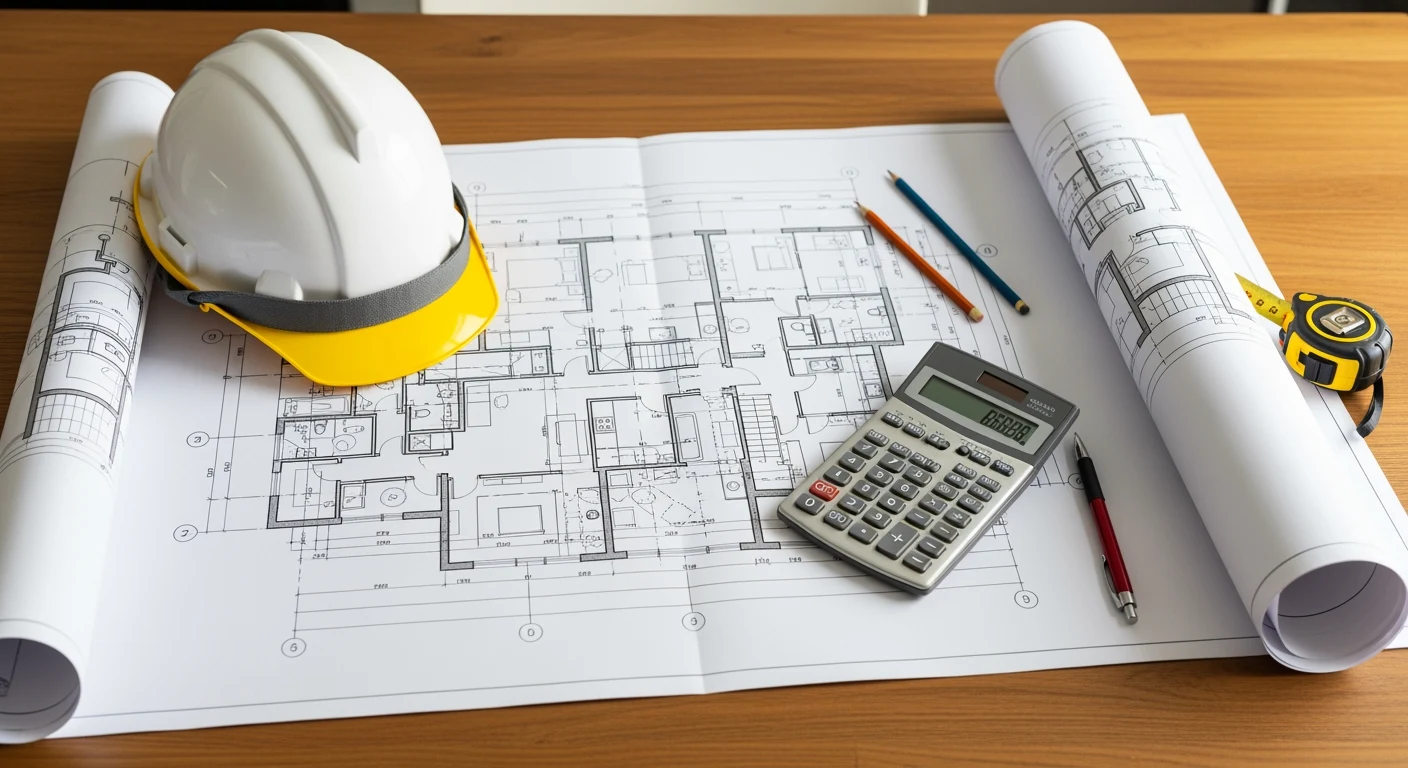
Once the insurance “scope of work” is approved, the project shifts from restoration to Reconstruction. This is where your vision comes back to life. This phase moves your home from blueprint to reality, focusing on the aesthetics and structural finishes that make your home yours.
Reconstruction involves several key steps:
- Structural Repairs: Replacing charred joists or water-damaged subflooring.
- Mechanicals: Updating electrical, plumbing, or HVAC systems that were compromised.
- Interior Finishes: Hanging and finishing drywall, followed by professional painting.
- Flooring & Trim: Installing your choice of hardwood, LVP, or tile, along with baseboards and crown molding.
- Cabinetry & Countertops: If your kitchen or bathroom was affected, this is where we reinstall or upgrade your storage and workspace.
By using a full-service general construction team, you ensure design continuity. The people finishing the drywall are the same ones who know how the studs were dried. This prevents the common issue of “ghosting” or “cracking” that occurs when a secondary contractor builds over a surface that wasn’t properly prepared during the mitigation phase.
Timeline Overview
To help you plan your life during this process, here is a typical breakdown of the restoration to reconstruction timeline:
| Phase | Activities | Typical Timeline |
|---|---|---|
| Mitigation | Water extraction, Demo, Drying | 3-7 Days |
| Estimation | Scope agreement with Adjuster | 5-10 Days |
| Reconstruction | Drywall, Paint, Flooring, Trim | 1-4 Weeks |
| Final Walkthrough | Punch list & Sign-off | 1 Day |
Benefits of a Single Point of Contact
The “Start-to-Finish” model isn’t just about convenience; it’s about accountability. When you hire two different companies, you create a vacuum of responsibility. If a floor begins to warp six months after the project is finished, the flooring contractor might blame the restoration company for not drying the subfloor enough. The restoration company, in turn, will claim their readings were fine and the contractor used the wrong adhesive. You, the homeowner, are caught in the middle.
With our “Restoration to Reconstruction” approach, there is no finger-pointing. We own the project from the first gallon of water pumped out to the last coat of paint applied. Our Brand USPs—including our full General Contractor license—mean we have the legal and technical authority to handle every square inch of your rebuild.
Other benefits include:
- Faster Turnaround: We don’t have to wait for a new contractor to “fit you into their schedule.” As mitigation winds down, our rebuild crew is already staged and ready to go.
- Streamlined Communication: You have one project manager. One phone number to call. One person who knows the status of both your insurance claim and your kitchen cabinets.
- Knowledge Transfer: Our rebuild team knows exactly what was behind the walls because they are the ones who took the walls down. There are no “surprises” midway through construction.
Case Study: The Seamless Transition
Consider a recent project involving a heavy pipe burst in a second-story bathroom. The water cascaded down into the kitchen below, destroying the ceiling and the custom cabinetry. A standard restoration company would have dried the space and left the homeowner with a “certificate of dryness” and a gutted kitchen. The homeowner would then have to spend weeks interviewing contractors, many of whom are wary of “insurance jobs.”
Instead, we handled the entire lifecycle. While the dehumidifiers were running, our design team was already measuring for new cabinets. We negotiated with the insurance adjuster to ensure the “continuous flooring” rule was applied, allowing the homeowner to get new flooring throughout the entire first floor rather than just a patch in the kitchen. Because we managed both phases, the homeowner was back in their kitchen in 22 days—nearly a month faster than the industry average for multi-contractor projects.
Frequently Asked Questions
Q: Does my insurance allow me to use the same company for both?
A: Yes. In fact, it is often preferred by adjusters as it simplifies the billing and accountability. Insurance companies like working with “Preferred Providers” who can handle the full scope, as it reduces the administrative burden on their end and leads to higher policyholder satisfaction.
Q: Can I make upgrades during the reconstruction phase?
A: Absolutely. While insurance pays to restore you to “pre-loss condition,” the reconstruction phase is the perfect time to make upgrades (like switching from carpet to LVP). You simply pay the difference in material costs, while the labor is often already covered by the insurance claim.
Q: Is a restoration company as good at building as a regular contractor?
A: Only if they hold a General Contractor license. Many restoration firms are “cleaning only.” We pride ourselves on being a General Contractor first, with specialized expertise in restoration, ensuring your “build-back” is of custom-home quality.
Restoring your home is about more than just replacing drywall; it’s about restoring your peace of mind. By choosing a seamless start-to-finish partner, you ensure that your home is rebuilt with the same care and precision with which it was saved.