Are you about to embark on a construction project? Whether you’re building a new home, renovating an existing property, or constructing a commercial space, the construction process can be overwhelming. From permits and zoning regulations to hiring contractors and managing timelines, there are a lot of moving parts involved in bringing a construction project to life. However, with the right approach, you can navigate the construction process with ease and achieve your desired outcome.
Planning Phase
Before any construction work can begin, the planning phase must take place. This phase involves assessing the feasibility of the project, establishing a budget, and creating a timeline for completion. It’s important to work with an experienced architect or engineer during this phase to ensure that your plans are up to code and meet all necessary regulations.
During the planning phase, you’ll need to determine the purpose of the space, the size of the project, and the materials you will use. You will also need to consider any zoning regulations and obtain any necessary permits and approvals from local governing bodies.
One important aspect of the planning phase is determining your budget. You will need to consider the cost of materials, labor, and any unexpected expenses that may arise during the construction process. It’s important to work closely with your architect or engineer to ensure that your budget is realistic and that you are not overlooking any important details.
Design Phase
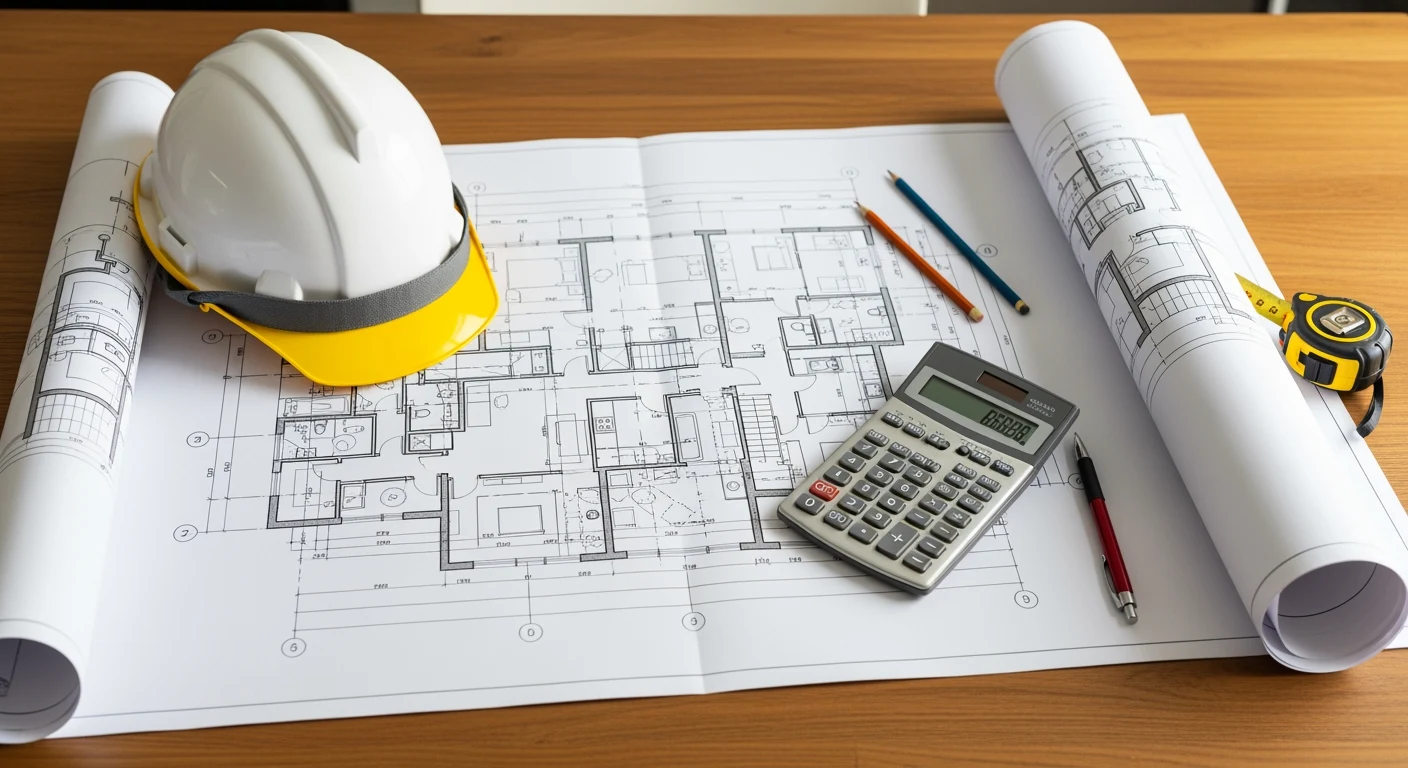
Once the planning phase is complete, it’s time to move on to the design phase. During this phase, the architect or engineer will create detailed plans for the project, including blueprints, schematics, and 3D models. It’s important to work closely with your design team during this phase to ensure that your vision for the project is accurately represented in the plans.
In the design phase, you will need to determine the layout of the space, the types of materials to be used, and any unique features you want to include. Your designer will work with you to ensure that your ideas are incorporated into the plans and that the space is both functional and aesthetically pleasing.
Pre-Construction Phase
Before any work can begin on the construction site, there are a few steps that must be taken during the pre-construction phase. This includes obtaining all necessary permits and approvals from local governing bodies, as well as conducting a thorough site evaluation to ensure that the construction site is safe and suitable for building.
At the beginning of the pre-construction phase, you’ll need to select a contractor to oversee the project and hire any necessary subcontractors. You will also need to obtain insurance coverage and secure financing for the project.
Another important aspect of the pre-construction phase is conducting a thorough site evaluation. This includes assessing the soil conditions, topography, and any potential hazards that may affect the construction process. By identifying these issues early on, you can avoid delays and additional expenses during the construction phase.
Construction Phase
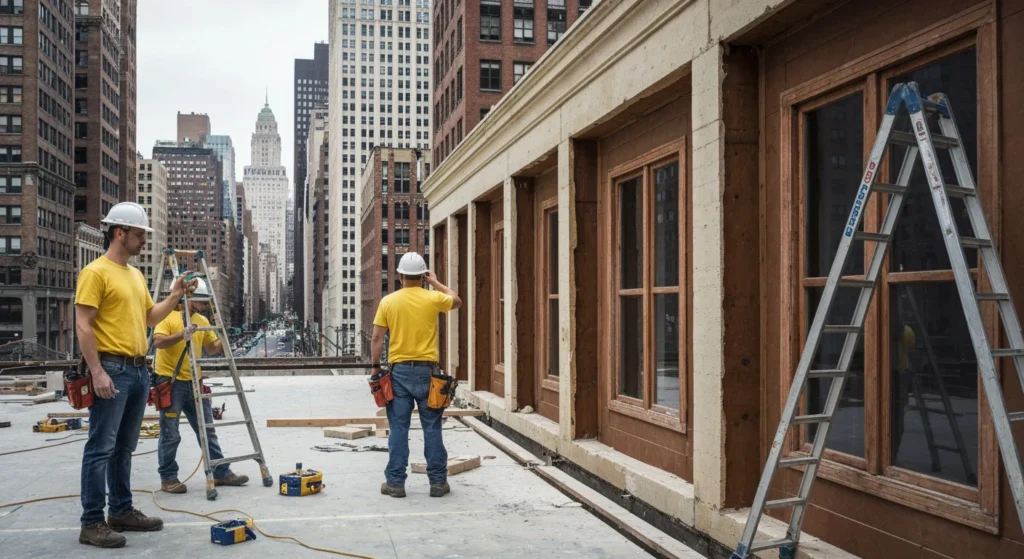
The construction phase is where the actual work of building or renovating the property takes place. This phase involves hiring contractors, managing timelines, and overseeing the work being done on the site. It’s important to work with a reputable construction company and to stay in communication with your project manager throughout this phase to ensure that the work is proceeding according to plan.
During the construction phase, you will need to oversee the work being done on the site and ensure that it is being completed to your satisfaction. You will also need to manage the budget and timeline for the project, making adjustments as necessary to ensure that the project is completed on time and within budget.
It’s important to communicate regularly with your project manager and contractors to ensure that everyone is on the same page and that any issues that arise are addressed promptly. By maintaining open lines of communication, you can avoid misunderstandings and ensure that your project is completed to your satisfaction.
Post-Construction Phase
Once the construction phase is complete, there are a few final steps that must be taken before the project can be considered finished. This includes conducting a final inspection of the property to ensure that it meets all necessary regulations and standards, as well as obtaining any necessary certificates of occupancy or other approvals.
In the post-construction phase, you will need to ensure that any final touches are completed and that the property is cleaned up and ready for occupancy. You will also need to conduct a final walkthrough of the space to ensure that everything is in working order and that there are no issues that need to be addressed.
Conclusion
The construction process can be daunting, but with the right approach and the right team, you can navigate it confidently. By following these steps and working closely with experienced professionals throughout the process, you can turn your vision for your property into a reality. Good luck with your construction project!
Frequently Asked Questions About the Construction Process
What are the main phases of a construction project?
Most construction projects move through five phases: planning, design, pre-construction, construction, and project closeout. Each phase has distinct deliverables — the planning phase establishes budget and feasibility, while pre-construction secures permits and finalizes contractor selection before any physical work begins.
How long does the planning phase of construction take?
The planning phase typically takes 2–6 weeks for residential projects and 2–6 months for commercial builds, depending on complexity. Zoning reviews, environmental assessments, and budget reconciliation are the most common causes of delays during this stage.
What permits are required before construction begins?
Required permits vary by municipality but typically include a building permit, electrical permit, plumbing permit, and in some cases a zoning variance or environmental impact clearance. Your architect or general contractor should handle permit applications as part of the pre-construction phase.
How do I choose the right general contractor?
Look for licensed and insured contractors with verifiable references on projects similar in scope to yours. Request itemized bids from at least three contractors, verify their license status with your state contractor board, and confirm they carry both general liability and workers’ compensation insurance before signing any agreement.
How do I manage unexpected costs during construction?
Build a contingency reserve of 10–15% of your total project budget before breaking ground. Track all change orders in writing and require contractor sign-off before approving scope changes. Weekly budget reconciliation meetings with your project manager help catch cost overruns early before they compound.
What happens during the construction closeout phase?
Closeout involves a final walkthrough inspection to create a punch list of incomplete or deficient items, obtaining a certificate of occupancy from the local building department, collecting all warranties and as-built drawings from contractors, and releasing final payment after all punch list items are resolved.
How do I stay on schedule during a construction project?
Establish a detailed project schedule during pre-construction with milestone dates for each phase. Hold weekly progress meetings with your general contractor, track critical path tasks closely, and address delays immediately. Build 10–15% schedule buffer into your timeline for permit delays, weather, and material lead times.