Mold-Resistant Materials: Mold-resistant materials are construction materials that resist mold colonization through inorganic composition, antimicrobial treatment, or moisture impermeability. Unlike standard building materials, which support mold growth when wet for 24–48 hours, mold-resistant materials maintain structural integrity and surface resistance even in sustained high-humidity environments. Choosing the right mold-resistant material for each application — wall, floor, insulation, substrate — is the primary decision point in any mold-prevention renovation.
What Makes a Material Mold-Resistant?
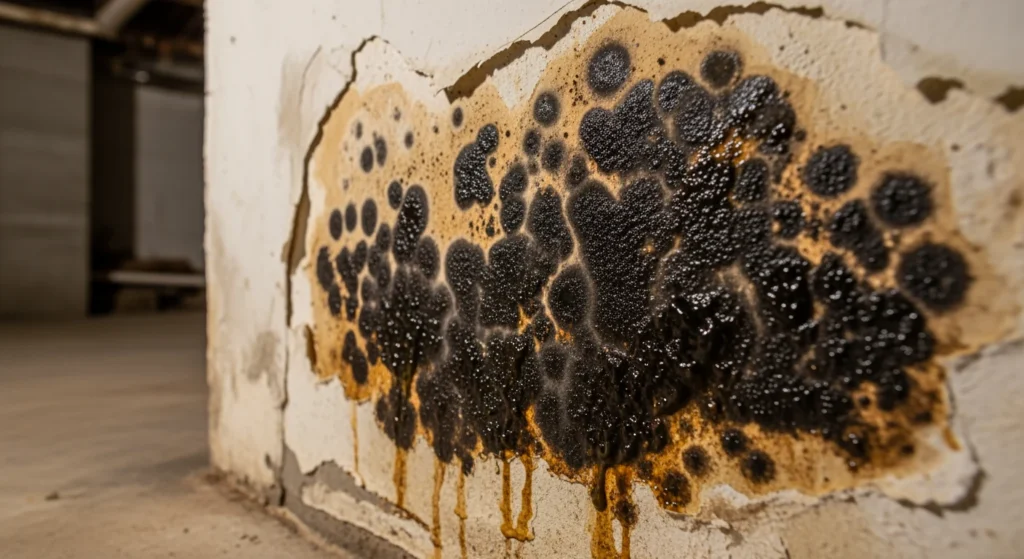
Mold requires three things to colonize a material: moisture, a food source (organic material), and warmth. Mold-resistant materials defeat colonization by removing at least one of these conditions:
- Inorganic composition: Cement, mineral wool, ceramic, glass — mold has nothing to feed on regardless of moisture
- Moisture impermeability: Closed-cell foam, waterproof LVP, porcelain tile — moisture cannot penetrate to create the wet conditions mold needs
- Antimicrobial treatment: Treated drywall, antimicrobial paint — additives inhibit mold growth on the surface
Understanding which mechanism applies to each material helps you choose correctly for each application. A mold-resistant material that works through antimicrobial treatment (like treated drywall) still needs to be kept dry — the treatment buys time, not immunity. A material that works through inorganic composition (like cement board) is functionally mold-proof as long as the grout joints and transitions are sealed.
Mold-Resistant Material Comparison: Wall Systems
| Material | Mold Resistance Mechanism | Best Application | Relative Cost |
|---|---|---|---|
| Standard paper-faced drywall | None — paper facing is a mold food source | Dry interior spaces only | Baseline |
| Moisture-resistant drywall (green/purple board) | Moisture-resistant gypsum core; reduced paper | Kitchens, laundry, low-humidity basements | +10–15% |
| Fiberglass-faced paperless drywall | Fiberglass facing — no organic surface | Basements, bathrooms, post-water-damage rebuilds | +15–25% |
| Cement board (Hardiebacker, Durock) | Fully inorganic — no food source | Wet areas receiving tile; shower surrounds | +30–50% |
| Fiber cement panel (Hardie Panel) | Inorganic fiber-cement matrix | Exterior siding, covered soffits | Varies |
Mold-Resistant Insulation Materials: The Hidden Risk
Standard fiberglass batt insulation is the most overlooked mold-resistant material upgrade available. Fiberglass itself doesn’t support mold — but the kraft paper facing on standard batts does, and fiberglass traps moisture against the paper facing when wall cavities get wet. The insulation upgrade alone can prevent significant wall cavity mold problems.
Unfaced Fiberglass Batt
Removing the kraft paper facing eliminates the primary organic food source in standard fiberglass insulation. Unfaced batts are appropriate for interior walls and partition walls where vapor control isn’t required. Modest improvement over faced batts; does not address moisture retention within the fiberglass matrix.
Mineral Wool (Rockwool)
Made from basalt rock and recycled slag — 100% inorganic. Mold cannot colonize mineral wool regardless of moisture exposure. Also naturally fire-resistant (melts above 2,000°F) and provides better acoustic performance than fiberglass. Vapor-permeable, which allows wall assemblies to dry to the interior — important in Long Island’s mixed climate where walls need to dry in both directions seasonally. The most comprehensively superior insulation material for mold-prone applications.
Closed-Cell Spray Foam
Creates a continuous air and vapor barrier — the most effective moisture control of any insulation material. Eliminates the air movement through wall cavities that deposits humid air on cold surfaces, which is the primary mechanism of wall cavity mold formation. Used in basement rim joists, crawl spaces, and exterior wall retrofits. Higher cost but eliminates mold risk at the source rather than tolerating it.
Mold-Resistant Flooring Materials
Floor-level moisture — from slab vapor transmission, plumbing leaks, or water intrusion — is the leading cause of subfloor mold in Long Island basements and ground-floor kitchens. Material selection at the floor assembly level determines whether future water events cause mold or inconvenience.
100% Waterproof LVP (SPC/WPC Core)
Stone plastic composite (SPC) or wood plastic composite (WPC) core luxury vinyl plank is waterproof through the entire plank — not just the wear layer. Unlike laminate (swells and delaminates when wet, promotes subfloor mold) or engineered hardwood (can develop mold at the subfloor interface), properly installed waterproof LVP prevents moisture from reaching the subfloor. Critical caveat: the underlayment and installation method must match — floating installation over a vapor barrier on concrete slab is the correct assembly.
Porcelain Tile
Fully inorganic and impermeable at the tile surface — the gold standard for wet-area mold resistance. The vulnerability is grout: standard sanded grout is porous and supports mold growth. Specifying epoxy grout (Laticrete Spectralock, Mapei Kerapoxy) in wet areas creates a fully mold-resistant tile assembly. More difficult to install than standard grout but requires no sealing and resists staining.
Concrete and Polished Concrete
Fully inorganic and mold-resistant at the surface when sealed. Unsealed concrete is moderately porous and can support mold in the pores under sustained moisture exposure. Penetrating concrete sealers (densifiers) or topical epoxy coatings create a mold-resistant surface assembly. Common in basements and utility spaces; increasingly used in finished basement renovations for its durability and moisture tolerance.
Mold-Resistant Materials for Specific Long Island Applications
Basement Finishing
The highest-risk mold environment in Long Island homes. Recommended material assembly: dimple mat vapor barrier on slab → waterproof LVP or polished/sealed concrete → fiberglass-faced drywall on treated framing → mineral wool insulation in stud bays → 100% silicone caulk at all transitions. This assembly can tolerate typical basement moisture conditions without mold establishment.
Bathroom Renovation
Shower and tub surrounds: cement board with waterproof membrane (RedGard, Kerdi) + porcelain tile + epoxy grout. Bathroom walls outside the wet zone: fiberglass-faced drywall + antimicrobial paint. Bathroom floor: porcelain tile with epoxy grout, or 100% waterproof LVP outside the shower zone. All transitions: 100% silicone caulk.
Post-Water-Damage Rebuild
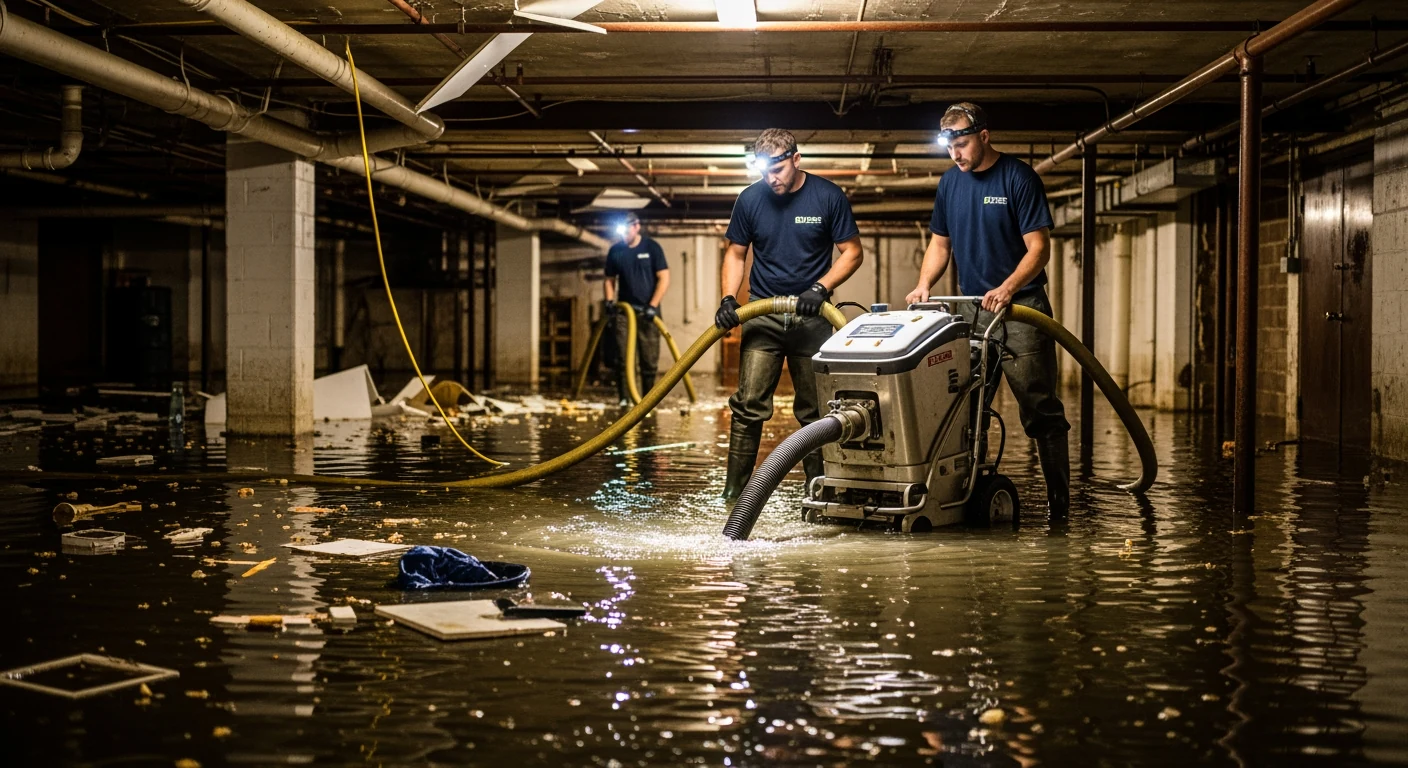
Rebuilding after water damage with the same materials that failed creates the same vulnerability. Standard of care for post-water-damage rebuilds in LI and NYC: fiberglass-faced drywall, mineral wool or closed-cell foam insulation, waterproof flooring system, antimicrobial primer before finish coat. Upper Restoration includes material upgrade consultation as part of every rebuild scope.
Frequently Asked Questions: Mold-Resistant Materials
Q: What is the best mold-resistant material for basement walls?
A: Fiberglass-faced paperless drywall (DensArmor Plus, USG Mold Tough) is the best gypsum option for basement walls. For maximum mold resistance, use pressure-treated framing or steel stud framing with mineral wool insulation, fiberglass-faced drywall, and antimicrobial paint. The most mold-resistant basement wall system avoids wood framing and paper-faced drywall entirely.
Q: Is mold-resistant material worth the extra cost?
A: Yes — consistently. The premium for mold-resistant materials (10–30% over standard) is a fraction of the remediation cost they prevent. A basement mold remediation in Nassau County averages $5,000–$20,000. The material upgrade on a typical basement finishing project adds $500–$2,000. The return on investment is clear.
Q: Can mold grow on mold-resistant materials?
A: On inorganic materials (cement board, mineral wool, porcelain tile), mold cannot colonize the material itself — but can grow in the grout joints, at transitions, or on dust that accumulates on the surface. On antimicrobial-treated materials (mold-resistant drywall, antimicrobial paint), mold growth is inhibited but not impossible under sustained moisture exposure. No material is a substitute for moisture control.
Q: What mold-resistant material should I use for shower walls?
A: Cement board (Hardiebacker, Durock) with a waterproof membrane (RedGard liquid membrane or Schluter Kerdi sheet membrane) under porcelain or ceramic tile with epoxy grout. This assembly is the industry standard for shower walls and provides a fully mold-resistant, moisture-proof system when properly installed.
Upper Restoration provides mold remediation and post-water-damage rebuilds using mold-resistant materials throughout Nassau County, Suffolk County, and all five NYC boroughs. Call 888-720-8376 for a free assessment.