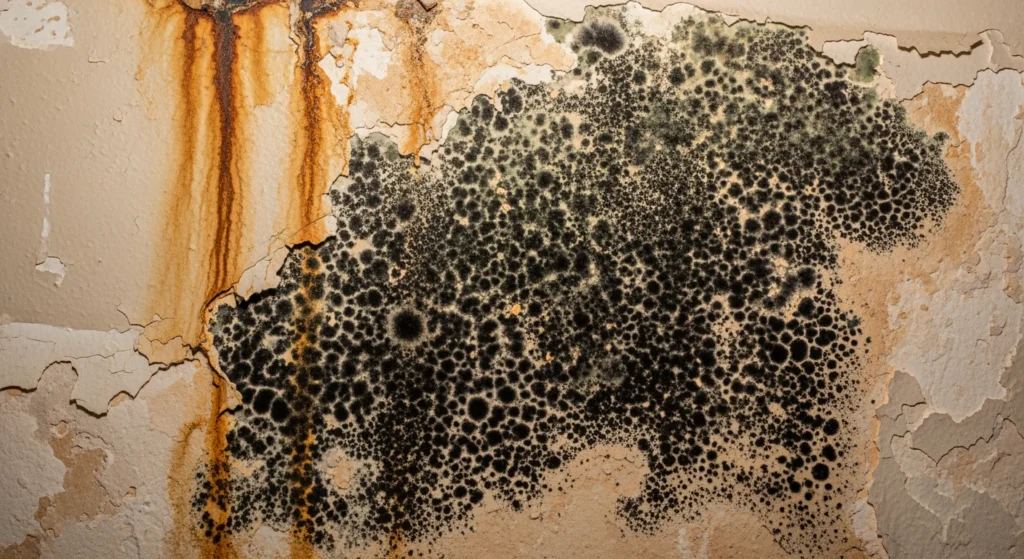
Mold-Resistant Building Products Defined: Mold-resistant building products are construction materials engineered with antimicrobial additives, moisture-resistant substrates, or non-organic surfaces that inhibit mold colonization. They are rated and certified under ASTM D3273 (resistance to mold growth on the surface of interior coatings) and similar standards. In Long Island and NYC’s humid coastal climate, these products are increasingly standard practice — not premium upgrades — in bathrooms, basements, and post-water-damage rebuilds.
Why Mold-Resistant Products Matter More in Long Island and NYC
The Northeast coastal climate creates persistent mold pressure on buildings. Long Island’s proximity to the Atlantic and Long Island Sound means elevated ambient humidity from May through October. NYC’s building density traps moisture in wall cavities and between units. The region’s large stock of pre-1980 construction — built before moisture management was a code consideration — compounds the problem.
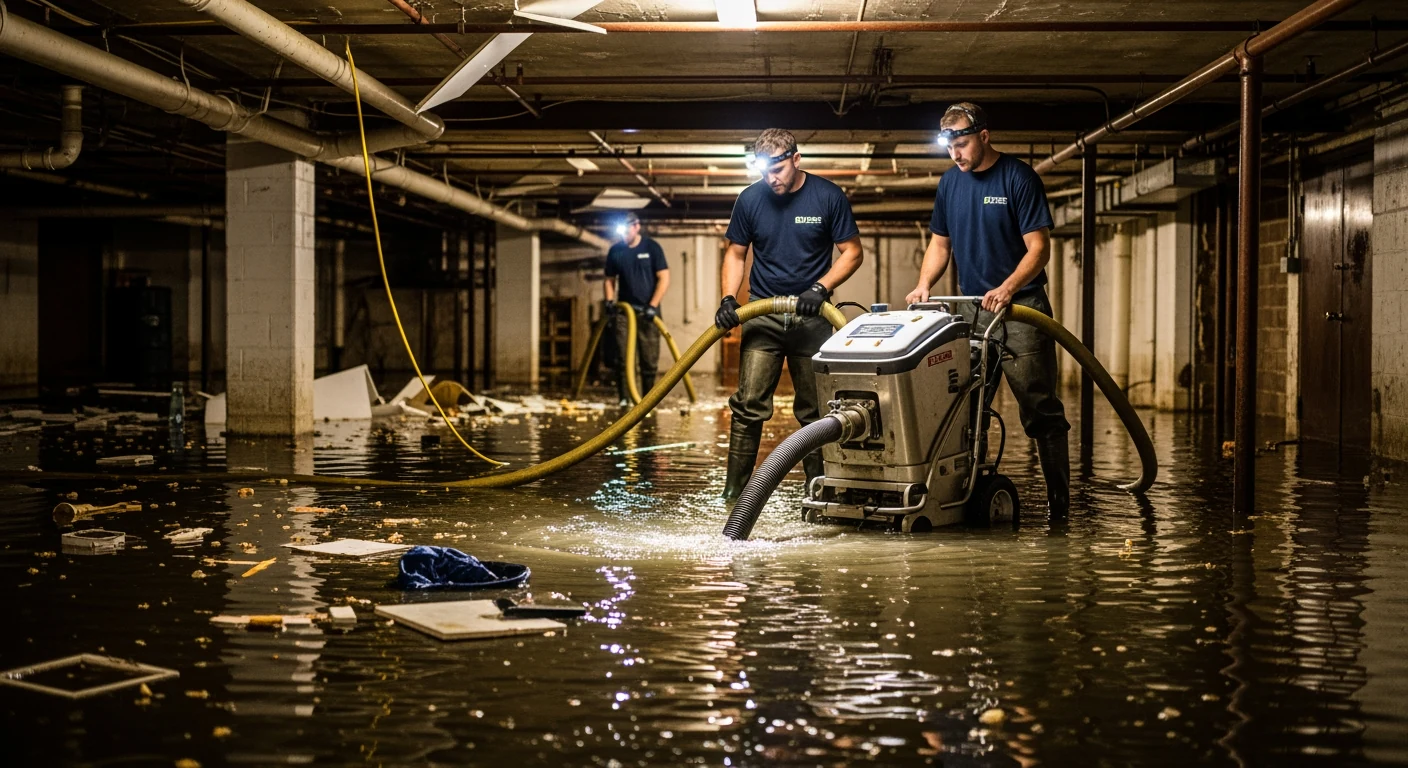
For homeowners rebuilding after water damage, choosing mold-resistant products isn’t optional — it’s the difference between a restoration that lasts and one that develops mold problems within 2–3 years. For renovators upgrading bathrooms, basements, or kitchens, these materials pay for themselves by eliminating the remediation cost they prevent.
Mold-Resistant Drywall Products: The Foundation of Any Mold-Resistant Rebuild
Standard paper-faced drywall is the most common substrate for mold growth in residential buildings — the paper facing provides organic material that mold colonizes rapidly when moisture is present. Mold-resistant drywall eliminates this vulnerability.
Paperless Fiberglass-Faced Drywall
The current standard for high-moisture areas. Fiberglass facing replaces paper entirely — there is no organic material on the surface for mold to feed on. Brands include Georgia-Pacific DensArmor Plus and USG Sheetrock Mold Tough. Rated for bathroom, kitchen, and basement applications. Typically costs $1–$3 more per sheet than standard drywall — negligible relative to a future remediation bill.
Cement Board and Tile Backer
For wet areas receiving tile — showers, tub surrounds, bathroom floors — cement board (Hardiebacker, Durock, Wonderboard) provides a fully inorganic substrate that mold cannot colonize. Required by code in shower enclosures in most municipalities. Cement board paired with a waterproof membrane (RedGard, Kerdi) creates a fully moisture-proof assembly behind tile.
Moisture-Resistant Gypsum (MR Board)
The green or purple board sold as “moisture resistant” — a step up from standard drywall but below fiberglass-faced. Acceptable for areas with intermittent humidity (laundry rooms, basements) but not for direct water contact zones. Less expensive than paperless drywall; appropriate where full fiberglass-faced board would be over-specified.
Mold-Resistant Insulation Products
Fiberglass batt insulation — the pink or yellow rolls standard in most homes — is not mold-resistant. When wet, it retains moisture and provides a growth medium for mold in wall cavities and attics. Two categories of mold-resistant insulation outperform it significantly.
Closed-Cell Spray Polyurethane Foam (SPF)
The highest-performance mold-resistant insulation option. Closed-cell SPF creates a fully impermeable air and vapor barrier — moisture cannot penetrate the foam matrix, so mold has no pathway. Also provides structural rigidity and excellent R-value per inch (R-6 to R-7). Used in basement rim joists, crawl spaces, and exterior wall assemblies in high-moisture environments. More expensive than batt insulation upfront; typically pays back in energy savings and eliminated remediation risk.
Mineral Wool (Rockwool/Roxul)
Made from volcanic rock and recycled slag — fully inorganic. Mold cannot grow on mineral wool because there is no organic material to feed on. Also fire-resistant (melts at over 2,000°F), excellent acoustic performer, and vapor-permeable (allows walls to dry). Increasingly the preferred insulation for post-water-damage rebuilds in LI and NYC where both mold resistance and fire performance are priorities.
Mold-Resistant Flooring Products
Below-grade and moisture-prone areas require flooring systems engineered for mold resistance — not just surface durability.
Luxury Vinyl Plank (LVP) — 100% Waterproof Core
WPC (wood plastic composite) and SPC (stone plastic composite) core LVP is fully waterproof through the entire plank thickness. Unlike laminate (which swells and delaminates when wet) or engineered hardwood (which can develop subfloor mold), properly installed LVP with a moisture-resistant underlayment creates a mold-resistant flooring assembly. Brands: LifeProof, COREtec, Shaw Floorté. Critical: even waterproof LVP requires a vapor barrier on concrete slabs.
Porcelain and Ceramic Tile
Fully inorganic, impermeable, and mold-proof at the tile surface. The vulnerability is the grout — standard sanded grout is porous and mold-prone. Specify epoxy grout in wet areas (showers, bathroom floors) for a fully mold-resistant tile assembly. Epoxy grout is also stain-resistant and doesn’t require sealing.
Mold-Resistant Subfloor Products
AdvanTech and Huber ZIP System panels provide significantly greater moisture resistance than standard OSB subfloor sheathing. For basement slabs, DeltaFL dimple mat or similar drainage mat creates a capillary break between the concrete and any flooring system installed over it — preventing moisture wicking from the slab into the flooring assembly.
Mold-Resistant Paint and Primer Products
Antimicrobial additives in paint and primer inhibit mold growth on the surface — but they are a last line of defense, not a substitute for moisture-resistant substrates. Used correctly, they add meaningful protection in bathrooms, basements, and kitchens.
- Zinsser Mold Killing Primer: Kills existing mold on surfaces before painting. Required on any surface with visible mold before repainting — painting over mold without killing it first causes re-emergence through the paint layer.
- Zinsser BIN Shellac-Based Primer: The standard for sealing smoke and mold odor bleed-through before repainting. Also seals water stains. Required after any mold or smoke event before finish coat.
- Benjamin Moore Aura Bath & Spa / Sherwin-Williams Emerald: Antimicrobial finish paints with mildewcide additives for high-humidity interior environments.
Mold-Resistant Sealants and Waterproofing Products
The transitions between materials — where wall meets floor, where plumbing penetrates tile, where window frames meet siding — are where moisture infiltrates. Mold-resistant sealants and waterproofing membranes address these joints.
- 100% Silicone Caulk: Will not support mold growth (silicone is inorganic). Required at all wet-area transitions — tub/shower-to-wall, sink-to-counter, window-to-frame in bathrooms. Latex caulks with mildewcide are acceptable for lower-moisture areas.
- RedGard Waterproofing Membrane: Liquid-applied membrane for shower pans, around tub decks, and behind wall tile. Creates a continuous waterproof layer that prevents moisture from reaching the substrate.
- DRYLOK Masonry Waterproofer: Penetrating waterproofer for concrete block and poured concrete basement walls. Reduces moisture transmission through the wall assembly — does not substitute for exterior waterproofing but meaningfully reduces interior humidity contribution from the wall.
Mold-Resistant Building Products: Cost vs. Value on Long Island
| Product Category | Premium Over Standard | Mold Remediation Cost Avoided |
|---|---|---|
| Fiberglass-faced drywall vs. standard | $1–$3/sheet (~10–15%) | $3,000–$15,000+ remediation |
| Closed-cell SPF vs. fiberglass batt | $1.50–$3.00/sq ft | $5,000–$20,000+ wall cavity remediation |
| Mineral wool vs. fiberglass batt | $0.20–$0.50/sq ft | Same as above |
| Epoxy grout vs. sanded grout | $3–$6/sq ft installed | $500–$2,000 grout remediation |
| LVP (waterproof) vs. laminate | $1–$3/sq ft | $2,000–$8,000 subfloor remediation |
Frequently Asked Questions: Mold-Resistant Building Products
Q: What is the most mold-resistant drywall?
A: Fiberglass-faced paperless drywall (Georgia-Pacific DensArmor Plus, USG Mold Tough) is the most mold-resistant gypsum drywall product — the fiberglass facing eliminates the organic paper surface that mold feeds on. For wet areas receiving tile, cement board is superior to any gypsum product.
Q: Are mold-resistant building products required by code in New York?
A: The NYS Building Code requires moisture-resistant wall assemblies in wet areas (bathrooms, kitchens) — which typically means cement board or equivalent for tile substrates. Mold-resistant drywall is not explicitly mandated by code everywhere, but many contractors and insurance carriers now specify it as standard in post-water-damage rebuilds in NYC and Long Island.
Q: Do mold-resistant products prevent mold completely?
A: No product prevents mold completely — mold can grow on virtually any surface given sufficient moisture and time. Mold-resistant products significantly raise the threshold at which mold colonizes, buying time for moisture to be addressed before mold establishes. They reduce risk; they don’t eliminate it. Moisture control remains the primary mold prevention strategy.
Q: Should I use mold-resistant products after water damage?
A: Yes — rebuilding with standard materials after water damage repeats the same vulnerability that allowed mold to establish in the first place. Post-water-damage rebuilds are the ideal time to upgrade to fiberglass-faced drywall, closed-cell or mineral wool insulation, and waterproof flooring systems throughout the affected area.
Upper Restoration provides mold remediation and post-water-damage rebuilds throughout Nassau County, Suffolk County, and all five NYC boroughs. Call 888-720-8376 for emergency response or a free assessment.