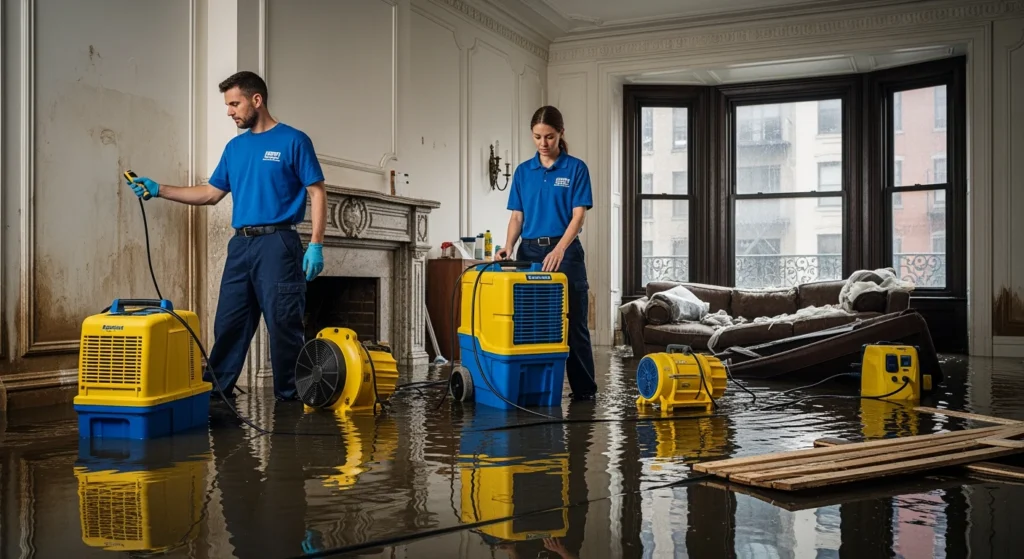
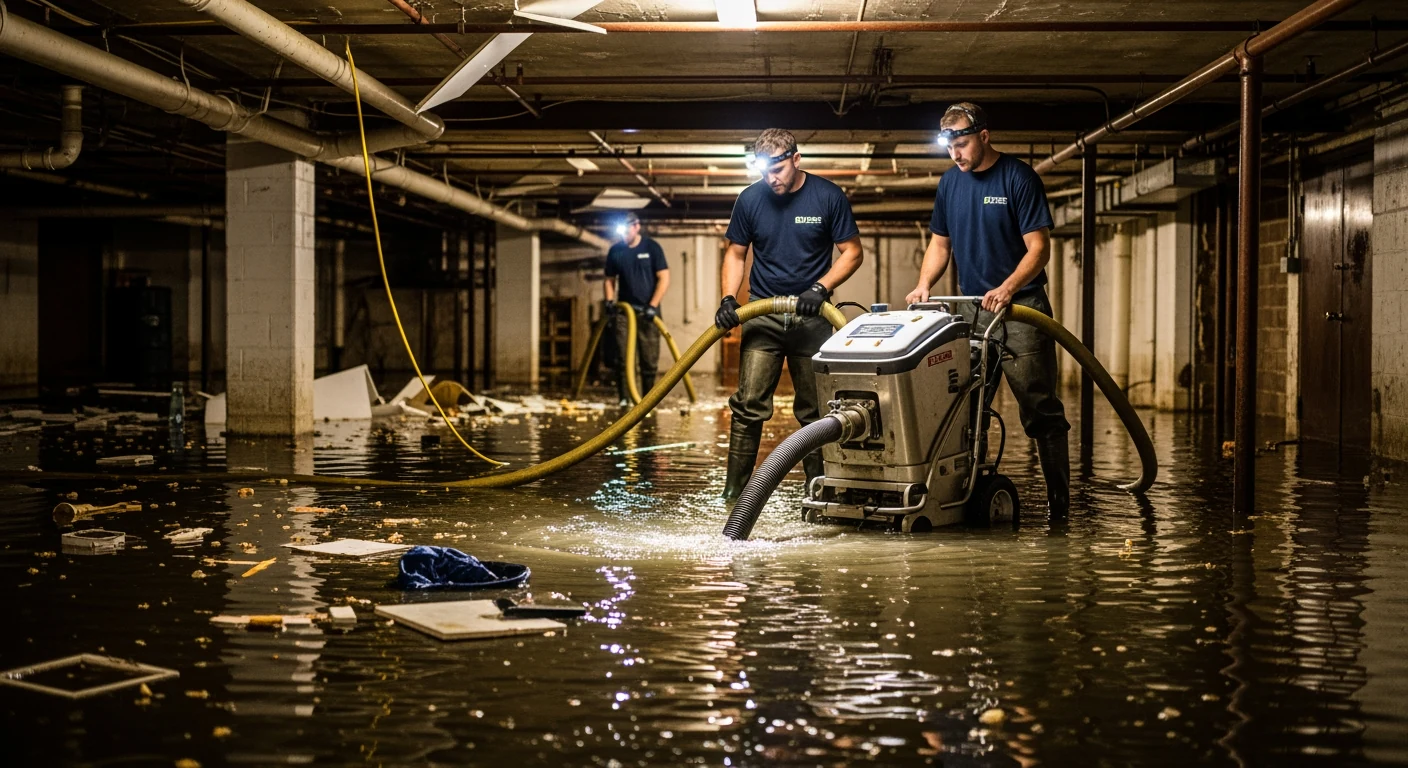
When your basement floods, your first thoughts are often about the damage to furniture, storage, or flooring. But beyond the visible mess, there’s another concern — one that’s less obvious and more dangerous: your health.
Flooded basements can become breeding grounds for bacteria, mold, and airborne toxins — especially when cleanup is delayed. Here’s what every homeowner should know.
Why Floodwater is More Dangerous Than It Looks
Even clear-looking water can carry unseen contaminants. Depending on the source, basement floodwater may contain:
- Bacteria and viruses from sewage backup
- Chemical runoff from streets or nearby properties
- Mold spores from soaked drywall or insulation
- Airborne particles released as materials begin to break down
Standing water creates the perfect conditions for rapid microbial growth — and it doesn’t take long.
1. Mold Growth in Walls and Carpets
Mold can begin forming within 24 to 48 hours of flooding. Common signs include:
- Musty odors
- Discoloration along baseboards or drywall
- Sneezing, congestion, or eye irritation
For seniors and people with respiratory conditions, even low levels of mold can be dangerous.
2. Bacteria and Pathogens from Sewage Backup
If the water came from a backed-up drain or toilet, it may contain harmful pathogens like:
- E. coli
- Salmonella
- Hepatitis A
Skin contact or inhalation can cause illness — even during cleanup.
3. Electrical Hazards in Wet Spaces
Water and electricity never mix. A flooded basement may hide:
- Live wires or outlets
- Electrical panels affected by moisture
- Appliances that appear safe but are energized
Never enter a flooded area until you’re sure the power is off — or have a professional confirm.
4. Airborne Toxins and Odors
As flood-damaged materials break down, they can release chemicals and particulates into the air. This includes:
- Formaldehyde from older building materials
- Off-gassing from plastics, paint, or adhesives
- Spores and dander from saturated insulation or drywall
If you smell something strange — or feel dizzy, nauseated, or short of breath — leave the area and get fresh air.
5. Structural Weakening Below the Surface
Waterlogged framing, floor joists, and support beams can lose integrity fast. This may cause:
- Sagging or buckling floors
- Cracking in foundation walls
- Risk of collapse during drying or demolition
Hidden structural issues can make your home unsafe — even if everything “looks fine” at first glance.
When to Call a Certified Restoration Team
While DIY cleanup might feel faster or cheaper, it often misses the deeper risks. A certified team can:
- Identify the water source and its category (clean, gray, or black)
- Safely extract water and dehumidify without spreading mold
- Remove affected materials and prevent structural issues
- Provide proper documentation for insurance claims
Most importantly, they can help you make sure your home is truly safe to reenter and rebuild.
Safety First — Get Peace of Mind After a Flood
Worried about hidden damage after a basement flood?
We’ll inspect your space, test air quality, and ensure it’s safe to live in again.
Contact Us
FAQ
Q: How soon does mold grow after flooding?
A: Mold can begin developing within 24–48 hours if water isn’t removed and drying doesn’t begin promptly.
Q: Is floodwater always unsafe?
A: It can be. Even water that looks clean may contain harmful bacteria, sewage, or chemicals depending on the source.
Q: Do I need to replace drywall after a flood?
A: In most cases, yes. Drywall is porous and holds moisture, making it a prime environment for mold and bacteria.
The Hidden Costs of Water Damage: Beyond the Visible
Water damage extends far beyond what the eye can see. Within hours of exposure, water infiltrates drywall cavities, insulation, and subfloors where it remains trapped, creating conditions for mold, structural rot, and electrical hazards. In Long Island homes with finished basements or older construction, water can travel laterally through rim joists and band boards, affecting areas far from the initial leak.
Professional water mitigation isn’t optional when damage exceeds minor surface wetting. Delayed response leads to exponential cost increases: a $5,000 water extraction problem can balloon to a $50,000+ remediation when structural drying is deferred.
Why Professional Assessment Matters Immediately
A restoration specialist’s thermal imaging camera reveals moisture hidden in walls, crawlspaces, and above-ceiling cavities. Moisture meters quantify water content in drywall and framing, guiding drying strategy. Without professional assessment, homeowners risk incomplete drying, hidden mold genesis, and structural compromise.
FAQ
How long does water damage restoration take?
Extraction takes 24–48 hours; structural drying requires 3–7 days depending on damage extent and materials affected. Complex jobs involving mold remediation or structural repairs extend timelines.
Should I use my homeowner’s insurance for water damage claims?
Yes. Prompt professional documentation of damage, mitigation actions, and restoration costs supports insurance claims and prevents claim denial for negligence or delayed response.
What’s the difference between water damage in new vs. older homes?
Older Long Island homes with plaster, wood lath, and settling foundations absorb and retain moisture differently. Modern drywall and concrete require different drying techniques; professional assessment ensures appropriate strategy.
Can water-damaged drywall be dried and saved?
If extracted within 24 hours and dried completely, some drywall may be salvaged. However, contaminated floodwater or extended saturation usually requires full replacement for health and structural reasons.
Key Takeaways
- Water damage escalates rapidly; delayed response increases restoration costs exponentially.
- Professional assessment using thermal imaging and moisture meters reveals hidden water in cavities and structural framing.
- Proper extraction and structural drying prevent mold genesis, electrical hazards, and long-term structural compromise.
- Upper Restoration’s 24/7 emergency mobilization (within 90 minutes) minimizes damage and protects insurance eligibility.