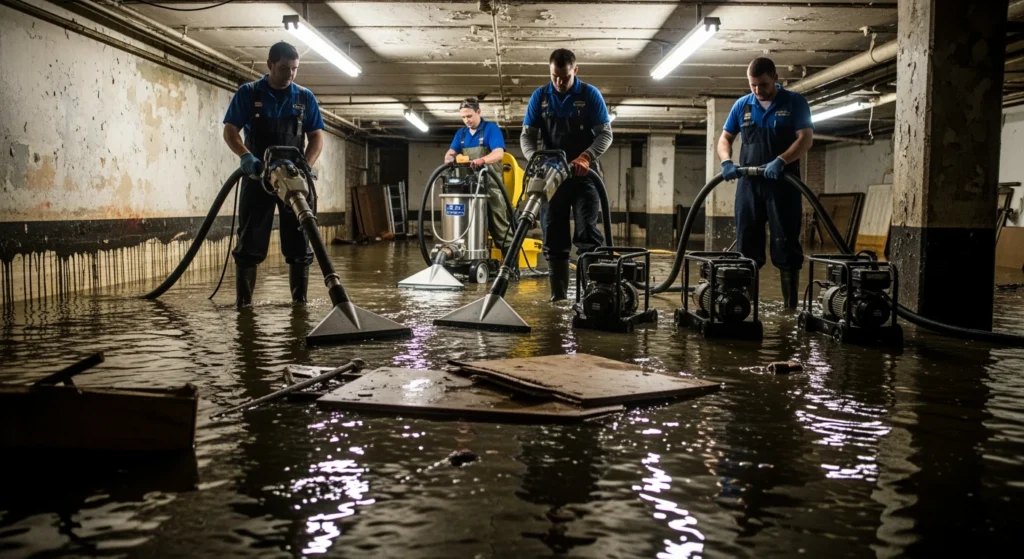
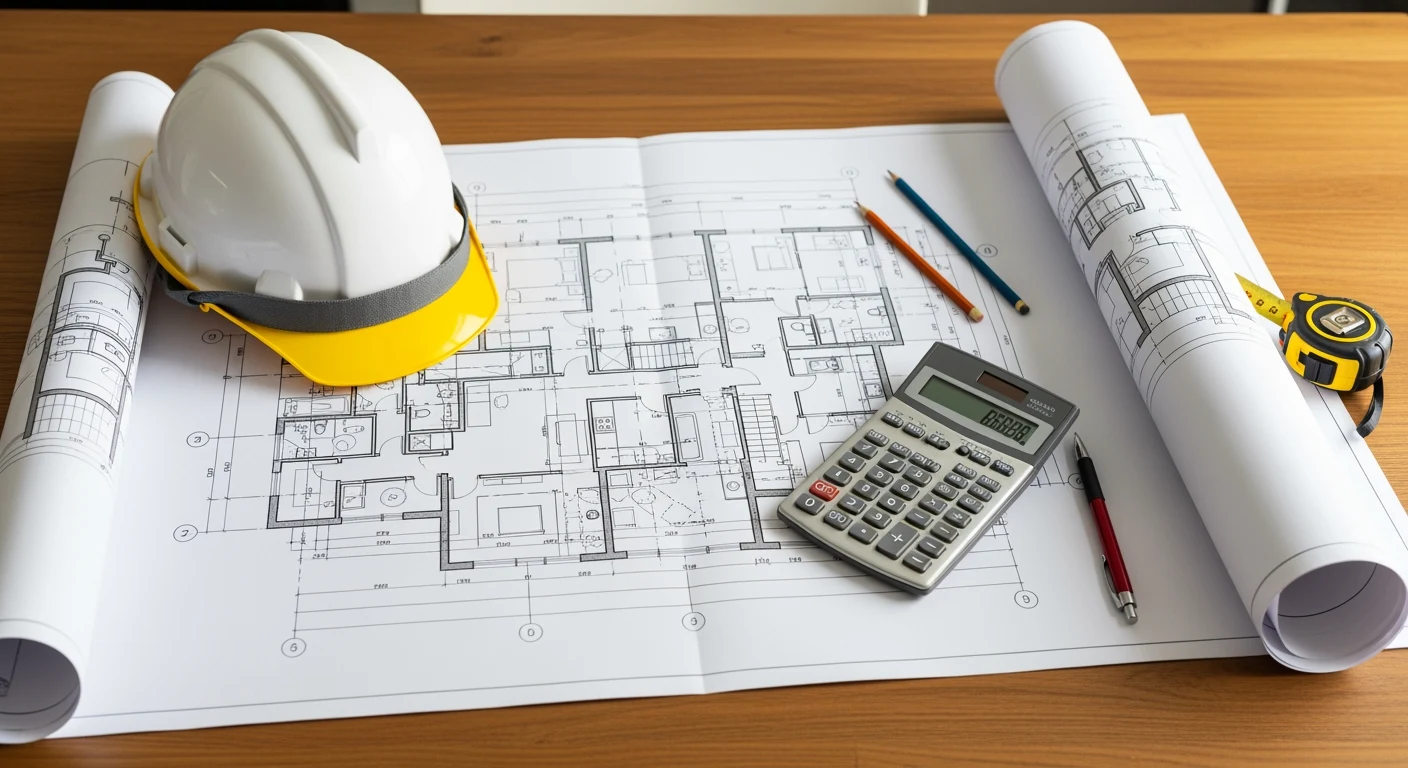
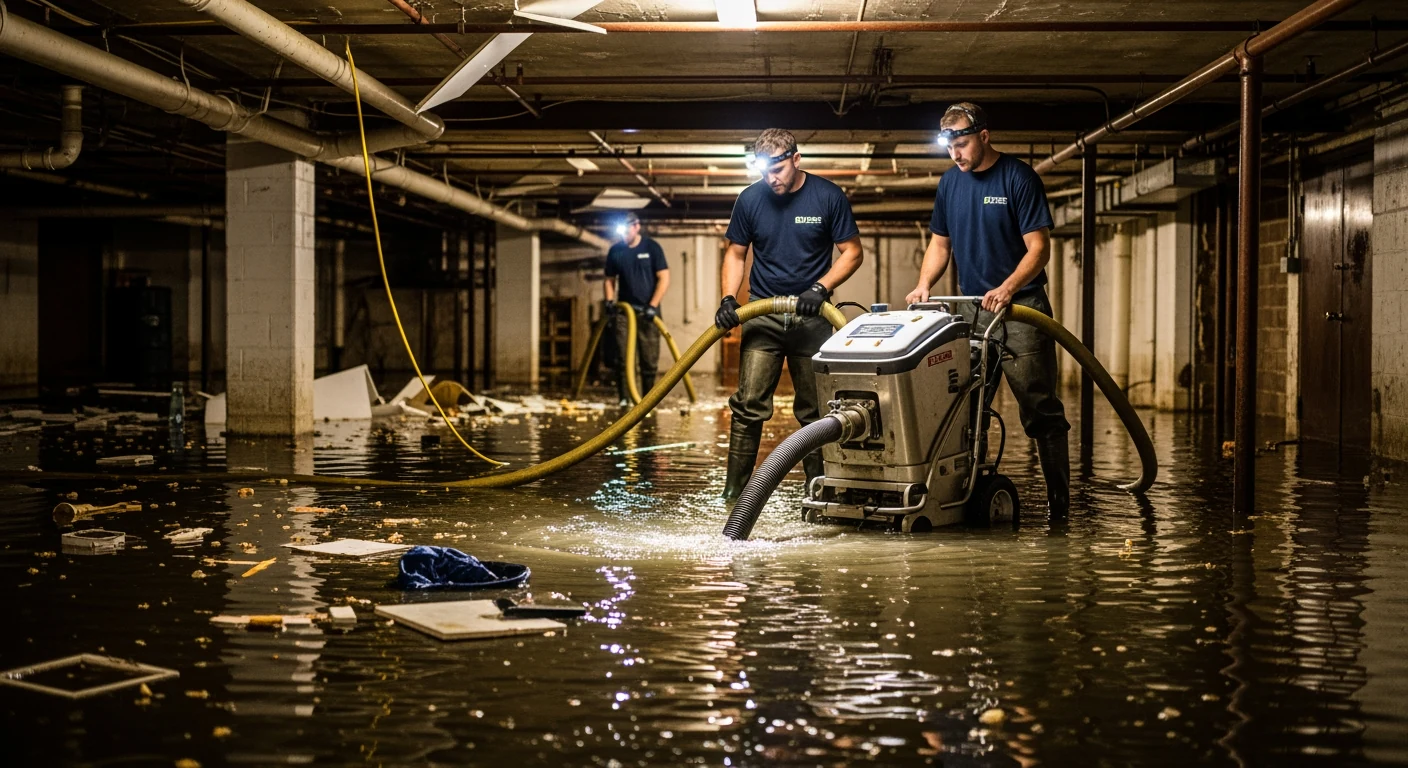
Xactimate is the industry-standard estimating platform used by the majority of restoration contractors and insurance carriers across the country. When an Upper Restoration estimator produces an insurance claim estimate for a Long Island water damage project, the line items, units, and pricing in that estimate are generated through Xactimate’s database. When your adjuster produces a counter-estimate, it is almost certainly also in Xactimate. Understanding how Xactimate works — what it includes, what it misses, and where Long Island pricing deviates from its national averages — is practical knowledge for navigating a Long Island water damage claim.
How Xactimate Pricing Works
Xactimate maintains a database of pricing for thousands of line items — each representing a specific unit of labor or material — updated periodically based on regional market data. The platform assigns prices by region, with New York pricing zones reflecting higher labor costs than national averages. However, Xactimate’s regional pricing zones are broad, and the specific premium of Long Island’s labor market — which sits significantly above even the New York City baseline due to union labor rates and tight contractor supply in the wake of major storm events — is not always fully reflected in the database’s current published rates.
Line Items That Matter on Long Island
Several categories of Xactimate line items are particularly significant for Long Island water damage claims. Demolition labor rates should reflect the LI market — if an adjuster is pricing drywall demolition at national rates rather than Long Island union equivalents, the labor component of the estimate is understated. Asbestos testing and abatement add-ons in pre-1980 construction are frequently challenged by adjusters as unnecessary — Upper Restoration documents the construction date, confirms the pre-1980 classification, and includes the NYS DEC Code Rule 56 compliance rationale when including asbestos scope in Xactimate estimates. Category 3 protocol line items (containment setup, EPA-registered antimicrobial application, clearance testing) are often challenged on south shore flooding claims — documentation of the water source (bay water, not groundwater) is the key supporting evidence.
Supplemental Claims
Long Island restoration projects frequently require supplemental claims after the initial estimate — additional demolition scope discovered when walls are opened, mold found behind demolished assemblies, or asbestos confirmed in materials that required abatement before demolition could proceed. Upper Restoration prepares documented supplemental estimates for all scope expansions, with photographic evidence supporting each additional line item. Homeowners should expect supplements in complex Long Island water damage projects and should not accept initial estimate closures before the full scope is known.