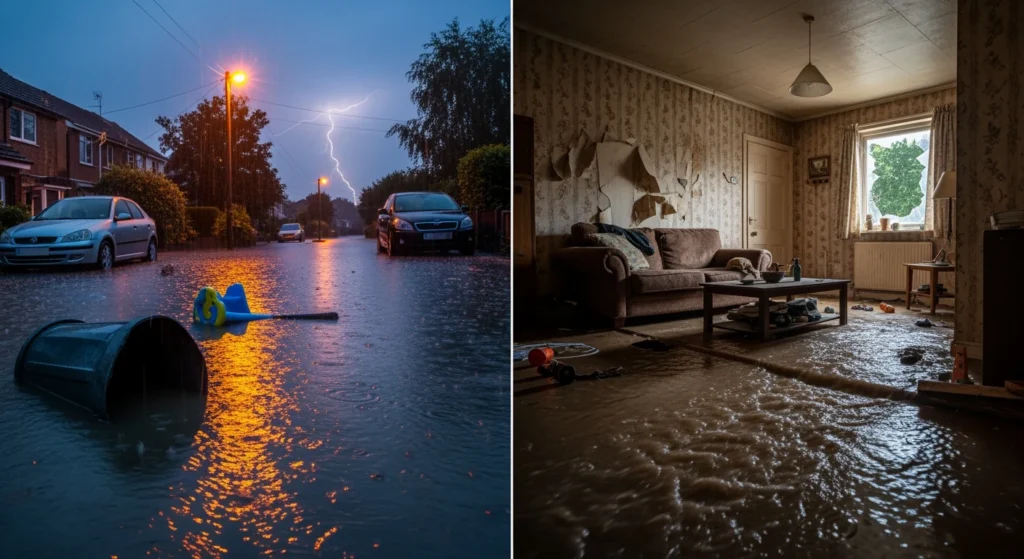
If your basement was recently flooded and now smells musty, you’re not alone — and you’re right to be concerned. That lingering odor is often more than just unpleasant; it’s one of the earliest warning signs of mold growth. And when it comes to mold, time matters.
In this article, we’ll explain why that smell shows up, what it means for your health and home, and how to know when professional help is needed.
What Causes the Mold Smell After a Flood?
When floodwaters enter your basement, they seep into porous materials — drywall, wood framing, carpets, insulation, and even furniture. Even after visible water is removed, moisture lingers. Mold spores, which are naturally present in the air, thrive in damp, dark environments. Within 24–48 hours, mold can begin to colonize.
The “mold smell” you notice is actually microbial volatile organic compounds (MVOCs) — gases released as mold digests organic materials. These gases are often the first detectable sign of growth, even before you see mold with the naked eye.
Why the Smell Lingers — Even After Drying
Many homeowners assume that once the standing water is gone, the problem is solved. But:
- Moisture can remain trapped inside walls or under flooring
- Dehumidifiers may not reach structural cavities or behind baseboards
- Without proper drying logs and moisture mapping, hidden damp zones can be missed
That musty smell is a signal your basement isn’t fully dry — and mold is still active somewhere.
Is Mold Smell Dangerous?
While the smell itself isn’t toxic, it usually points to active mold growth, which can pose health risks — especially to children, the elderly, or those with respiratory issues.
Common symptoms linked to indoor mold include:
- Coughing or wheezing
- Headaches or fatigue
- Eye, nose, or throat irritation
- Worsening of asthma symptoms
It’s not worth ignoring — especially if the smell persists or worsens.
What You Can Do Immediately
If you’re noticing a mold smell after a flood:
- Ventilate the space — open windows and use fans
- Use a dehumidifier to reduce overall humidity
- Do not paint over or seal walls or floors without confirming they are dry
- Avoid DIY tear-outs without proper containment — this can spread spores
These are short-term steps. The key is identifying whether mold has taken hold — and how far it has spread.
When to Call a mold remediation Expert
If the smell persists more than a few days after flooding — or if you notice signs like discoloration, peeling paint, or increased allergy symptoms — it’s time to bring in a certified professional.
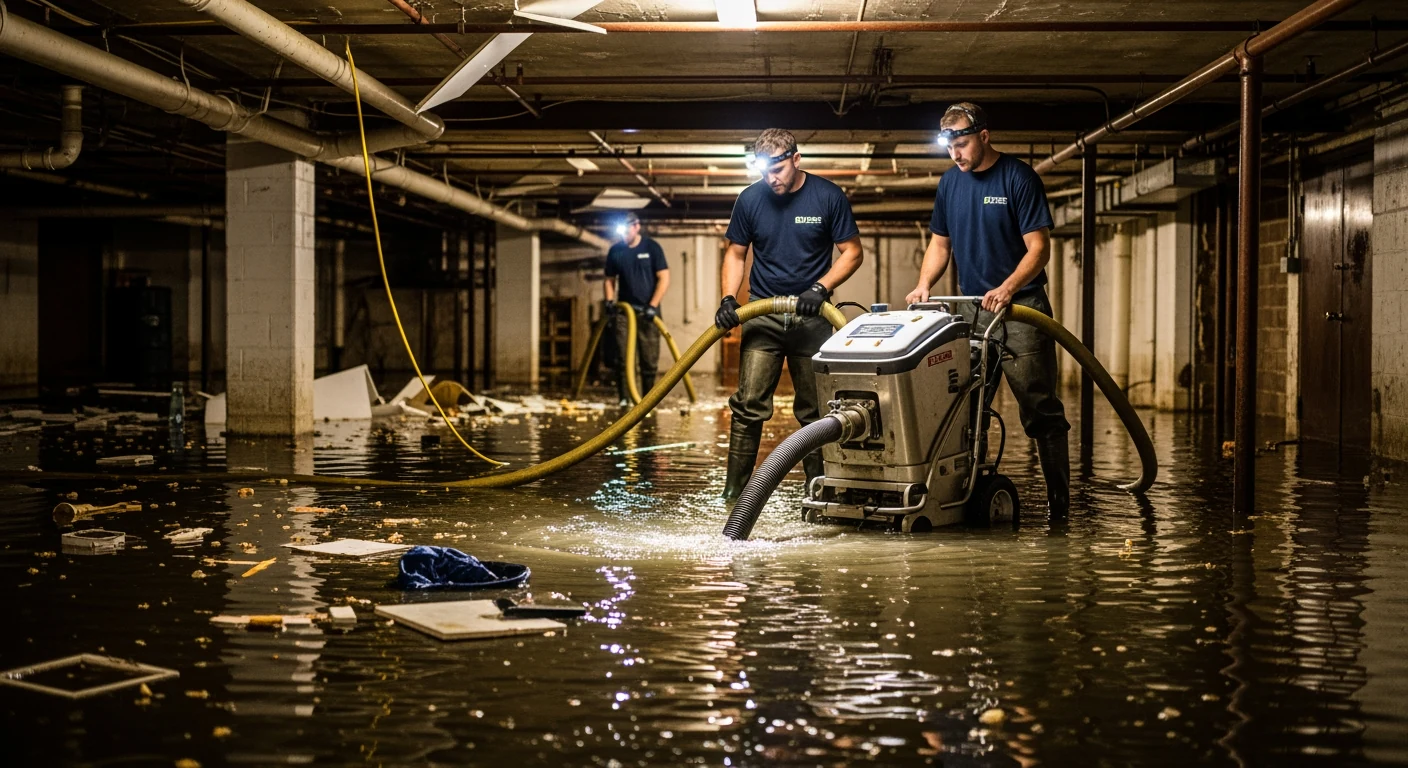
At Upper Restoration, our NYS-licensed mold assessors and IICRC-certified technicians:
- Perform thorough moisture mapping and air quality testing
- Identify hidden mold sources inside walls, ceilings, and floors
- Handle full containment, safe removal, and preventive treatment
- Work with your insurance if your flood was claim-eligible
We’re available 24/7 and service homes across the entire Tri-State Area.
Final Thoughts
That lingering mold smell isn’t just unpleasant — it’s a warning. Catching it early can save you thousands in repairs and protect your family’s health. Trust your nose. If something feels off, it probably is.
Upper Restoration provides professional water and flood damage restoration services across Nassau County, Suffolk County, and all five NYC boroughs — available 24/7.
Need help now?
Contact Upper Restoration today — we’re here when you need us most.
Why Quick Action Matters: The Science Behind Mold Growth
Mold spores are invisible to the naked eye and present in virtually every indoor environment. However, when moisture levels exceed 50% humidity or when water-damaged materials aren’t dried within 24–48 hours, dormant spores activate rapidly. A single mold colony can release millions of spores daily, accelerating colonization throughout HVAC systems, insulation, and structural framing.
In NYC and Long Island homes with older plumbing or basements prone to seepage, the ideal conditions for mold proliferation are unfortunately common. Professional remediation isn’t just about cleaning visible mold—it’s about identifying moisture sources, restoring proper ventilation, and preventing recurrence.
Long-Term Structural and Health Consequences
Beyond respiratory irritation, untreated mold compromises the integrity of wood studs, joists, and beams. Certain mold species produce mycotoxins that accumulate in settling dust, creating chronic exposure risks particularly for children and immunocompromised individuals. Insurance claims are frequently denied when mold damage results from delayed mitigation, leaving homeowners liable for tens of thousands in unexplained remediation.
FAQ
How quickly does mold grow after water exposure?
Mold can begin visible colonization within 24–48 hours in humid conditions. Spore germination may occur within hours, making immediate water extraction and dehumidification critical.
Can I clean mold myself with bleach and vinegar?
Surface cleaning may reduce visible mold, but fails to address underlying moisture or mold in hidden cavities. Professional remediation uses containment, HEPA filtration, and proper disposal to prevent spore dispersal and cross-contamination.
Does homeowner’s insurance cover mold damage?
Coverage depends on the cause. Sudden water events are typically covered, but gradual seepage or neglect are often excluded. Documentation of prompt professional mitigation strengthens claims.
What’s the difference between cleanup and remediation?
Cleanup removes surface mold; remediation removes mold, addresses moisture sources, restores damaged materials, and prevents recurrence. Professional remediation is required for areas exceeding 10 square feet.
Key Takeaways
- Mold can proliferate within 24–48 hours of water exposure; delayed treatment exponentially increases damage and cost.
- Professional mold remediation addresses both visible mold and hidden colonization in HVAC, insulation, and structural cavities.
- Untreated mold poses respiratory risks and compromises structural integrity; insurance claims are frequently denied for delayed mitigation.
- Upper Restoration’s 24/7 response team mobilizes within 90 minutes to prevent mold genesis and protect your property.