After a disaster like a fire, burst pipe, or major storm, your focus is on your family’s safety. But very quickly, your focus must shift to recovery—and that means navigating the insurance claims process.
The key figure in this process is your insurance adjuster. Their job is to assess the damage and determine the value of your claim. To make this process smooth, fast, and fair, you need to be prepared.
A successful claim relies on good insurance claim documentation. Here is a checklist of exactly what your insurance adjuster wants and needs to see from you.
1. Proof of the Damage (Photo and Video Evidence)
This is the single most important thing you can provide. Before you move, clean, or throw away anything, document it.
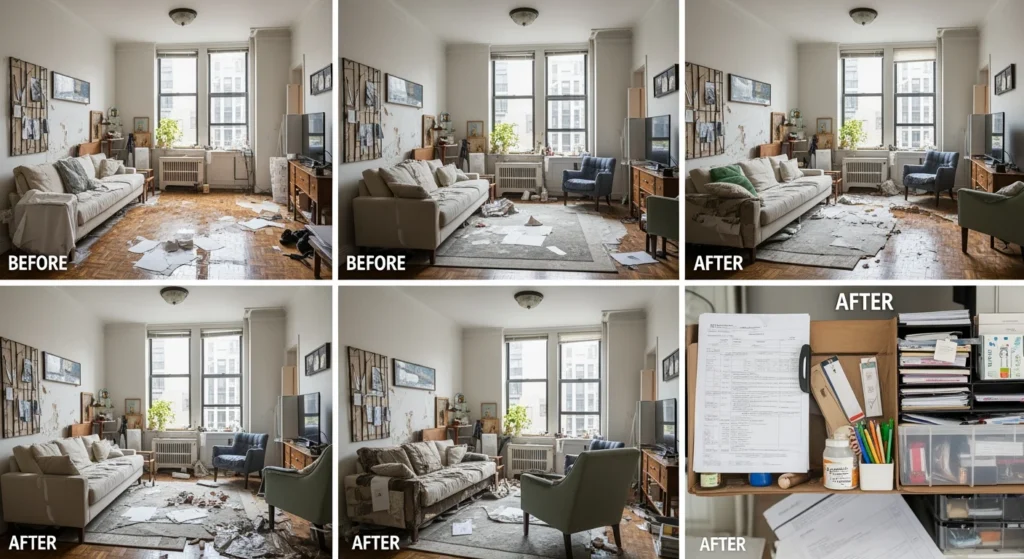
- Take Wide Shots: Walk through every affected room and take photos and videos of the damage from different angles.
- Take Close-Ups: Document specific, high-value items that were damaged (e.g., the TV, the couch, the appliance that caught fire).
- Show the Source: If you can safely, get photos of the source of the loss—the burst pipe, the hole in the roof, the scorch marks from the fire.
- Don’t Forget “Hidden” Areas: Open cabinets, closets, and drawers to show the damage inside.
You cannot take too many photos. This visual evidence is indisputable proof of your loss.
2. A Detailed Inventory of Damaged Personal Property
Your adjuster needs a list of what was damaged or destroyed, not just the house itself.
- What to list: For each item, list what it is, the manufacturer (if you know it), where you bought it, and roughly how old it was.
- Why it’s important: This “contents” list is what the adjuster uses to calculate the “Actual Cash Value” (ACV) or “Replacement Cost Value” (RCV) for your personal belongings, which is a separate part of your claim from the structural damage.
- Pro-Tip: If you have an existing “home inventory” list, this is the time to use it. If not, start making one from memory and your photos.
3. An Independent Estimate from a restoration Contractor
Your adjuster will create their own estimate, but it is highly recommended that you get one from your own trusted, independent restoration contractor.
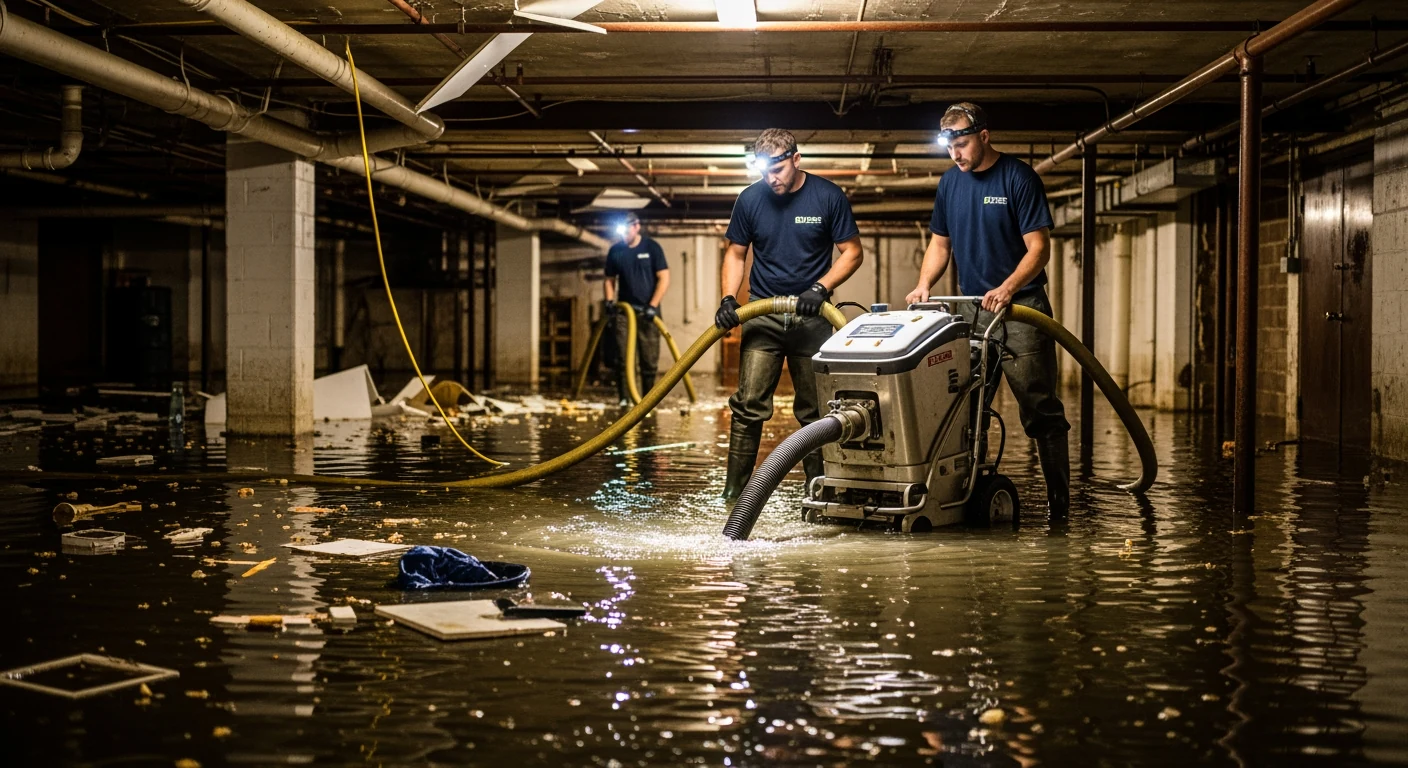
- Why? A professional restoration company (like us) uses the exact same estimating software as the insurance industry (e.g., Xactimate). We can provide a detailed, itemized estimate for the entire scope of work—from water extraction and smoke cleaning to the final rebuild.
- The Benefit: This estimate acts as a powerful baseline and negotiation tool. It ensures that all aspects of the damage (like smoke in the HVAC system or moisture in the subfloor) are properly accounted for, leading to a more accurate and fair settlement.
4. Maintenance and Pre-Loss Records
This is especially important for damage from things like roof leaks or burst pipes. The adjuster’s job is to determine if the loss was “sudden and accidental” (which is covered) or due to long-term neglect (which is not).
- What to provide: If you have receipts for a new roof, a recent plumbing inspection, or an HVAC service, have them ready. This proves you have been maintaining your property and that the damage was from a sudden event, not poor upkeep.
5. A Clear Understanding of the Timeline
Be prepared to give the adjuster a clear, simple timeline of events.
- When did the fire/leak start?
- When was it discovered?
- When did you call for emergency mitigation (e.g., the fire department or a restoration company)?
This helps them build the official “story” of the claim.
Your Partner in the Claims Process
Navigating an insurance claim is stressful. You don’t have to do it alone. As a professional restoration company, our job is to be your advocate. We work directly with your insurance adjuster, provide the detailed documentation they need, and ensure the scope of work is complete and accurate so you get the full, fair settlement you deserve.
Upper Restoration provides professional sewage cleanup and removal services across Nassau County, Suffolk County, and all five NYC boroughs — available 24/7.
If you’ve experienced a property loss, call us. We can be on-site immediately to mitigate the damage and begin the documentation process.