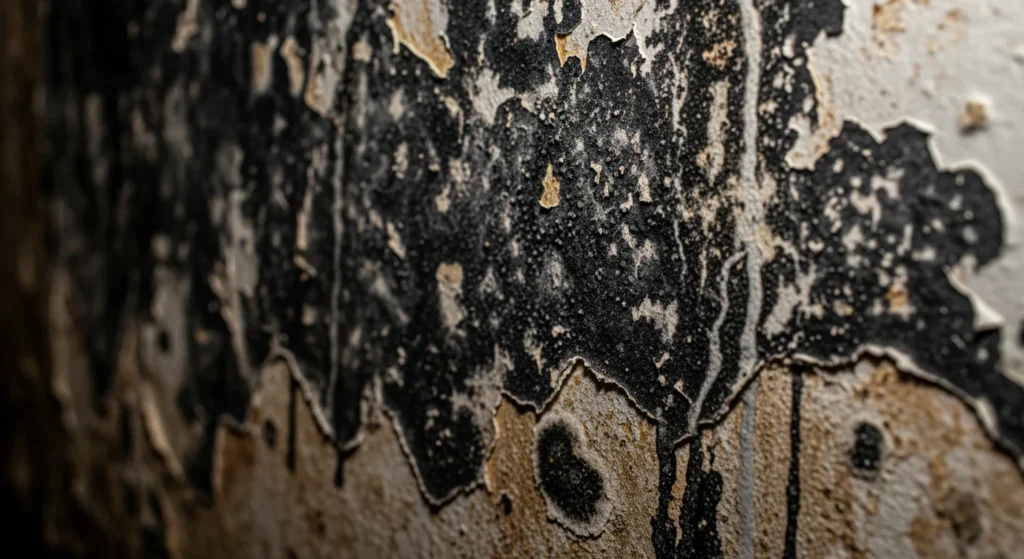
You spot a few dark patches along the basement wall… or notice that musty smell in the laundry room again. It doesn’t seem urgent — after all, it’s just a little mold, right?
But the truth is, untreated mold is rarely harmless. Left alone, it spreads — silently, steadily — through your home’s air, walls, and even HVAC system.
In this article, we’ll explore what happens when mold is ignored — and why fast, informed action matters more than most homeowners realize.
Mold Doesn’t Just Sit Still
Mold is a living organism. Given moisture and organic material (like wood, drywall, or dust), it grows — usually within 24 to 48 hours of water exposure.
Left untreated, mold:
- Expands across walls, ceilings, and insulation
- Sends spores into the air, affecting indoor air quality
- Invades HVAC systems, circulating throughout the home
- Breaks down building materials over time
The longer it’s there, the more complex (and costly) the remediation becomes.
Health Effects: It’s Not Just an Allergy
Some people dismiss mold as a minor irritation — but for many, especially children, seniors, and people with asthma or immune sensitivities, mold can seriously impact health.
Untreated mold can cause:
- Chronic coughing, wheezing, or sinus pressure
- Fatigue, brain fog, and headaches
- Skin irritation and eye redness
- Exacerbated asthma or respiratory conditions
- Long-term exposure effects in immunocompromised individuals
If mold is growing unnoticed behind walls or under flooring, symptoms can persist — even when the source is invisible.
Structural Damage Over Time
Mold feeds on organic material. That includes:
- Wood framing
- Drywall and insulation
- Carpet backing
- Paper and cardboard boxes
The result? Structural decay. Wall studs rot. Insulation loses effectiveness. In extreme cases, mold weakens flooring or ceilings — creating safety risks and driving up renovation costs.
Ignoring mold today could mean replacing entire walls or systems tomorrow.
The insurance Catch: Delay Can Void Your Claim
Here’s what many homeowners don’t know:
Most property insurance policies do not cover mold that results from “neglect.” If you wait too long to address the problem, your claim may be denied — even if the original water source was covered.
Fast action isn’t just about health — it’s about protecting your finances.
Why Professional Help Makes the Difference
Store-bought cleaners or DIY bleach solutions often don’t reach the root of the problem. Mold tends to grow:
- Inside walls or floor cavities
- Behind wallpaper or under tile
- In air ducts and vent lines
At Upper Restoration, our NYS-licensed mold assessors:
- Use air testing and infrared scanning to find hidden growth
- Build full containment zones to prevent spread
- Follow IICRC protocols for safe, permanent removal
We don’t just cover it up. We eliminate it — and prevent it from returning.
Final Thoughts
Mold doesn’t need permission to grow. It just needs time.
And the longer you give it, the more it takes — from your home, your health, and your peace of mind.
If you’re unsure how serious it is, start with a simple inspection. We’ll give you clear answers — and if needed, a fast, safe path forward.
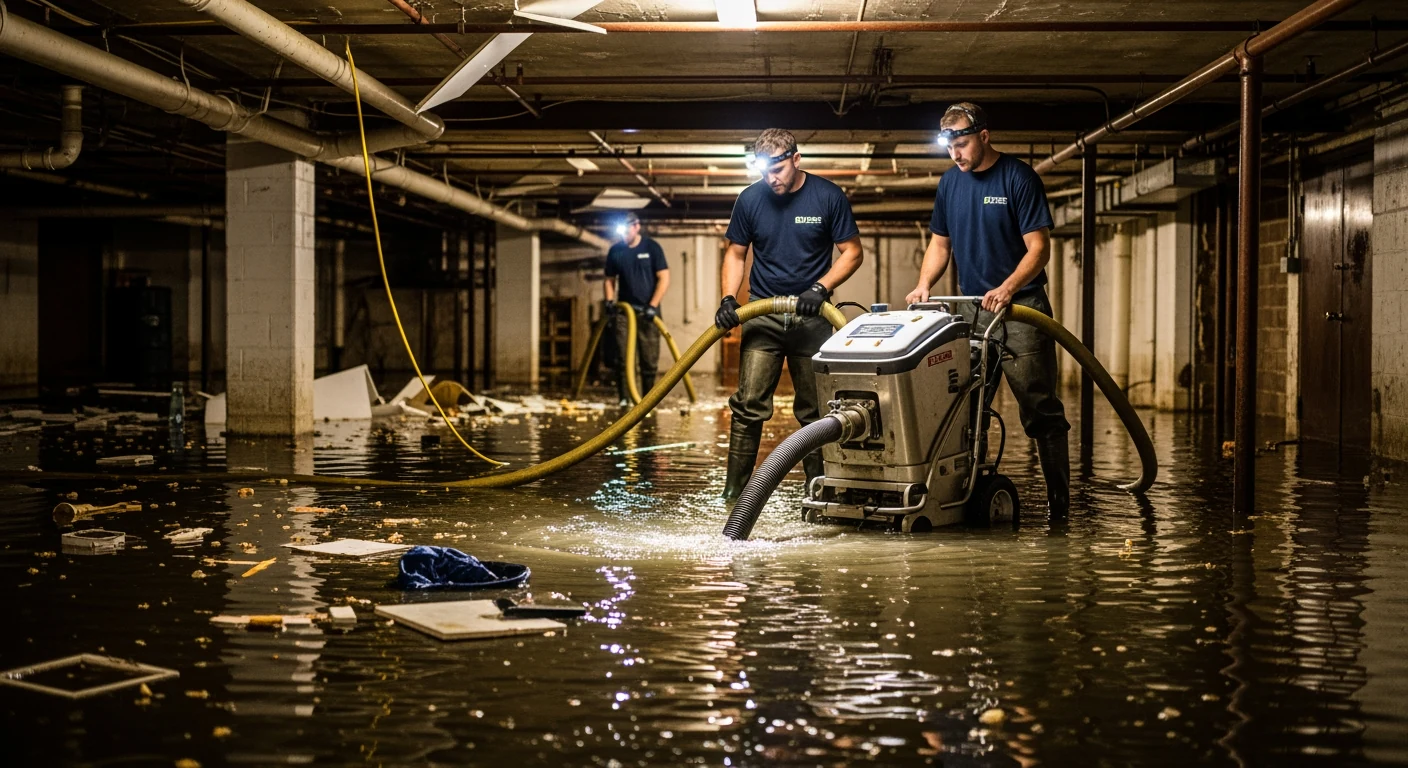
Upper Restoration provides professional water and flood damage restoration services across Nassau County, Suffolk County, and all five NYC boroughs — available 24/7.
Upper Restoration. Certified. Trusted. Ready.
Schedule your mold assessment today — we’re available 24/7.
Why Quick Action Matters: The Science Behind Mold Growth
Mold spores are invisible to the naked eye and present in virtually every indoor environment. However, when moisture levels exceed 50% humidity or when water-damaged materials aren’t dried within 24–48 hours, dormant spores activate rapidly. A single mold colony can release millions of spores daily, accelerating colonization throughout HVAC systems, insulation, and structural framing.
In NYC and Long Island homes with older plumbing or basements prone to seepage, the ideal conditions for mold proliferation are unfortunately common. Professional remediation isn’t just about cleaning visible mold—it’s about identifying moisture sources, restoring proper ventilation, and preventing recurrence.
Long-Term Structural and Health Consequences
Beyond respiratory irritation, untreated mold compromises the integrity of wood studs, joists, and beams. Certain mold species produce mycotoxins that accumulate in settling dust, creating chronic exposure risks particularly for children and immunocompromised individuals. Insurance claims are frequently denied when mold damage results from delayed mitigation, leaving homeowners liable for tens of thousands in unexplained remediation.
FAQ
How quickly does mold grow after water exposure?
Mold can begin visible colonization within 24–48 hours in humid conditions. Spore germination may occur within hours, making immediate water extraction and dehumidification critical.
Can I clean mold myself with bleach and vinegar?
Surface cleaning may reduce visible mold, but fails to address underlying moisture or mold in hidden cavities. Professional remediation uses containment, HEPA filtration, and proper disposal to prevent spore dispersal and cross-contamination.
Does homeowner’s insurance cover mold damage?
Coverage depends on the cause. Sudden water events are typically covered, but gradual seepage or neglect are often excluded. Documentation of prompt professional mitigation strengthens claims.
What’s the difference between cleanup and remediation?
Cleanup removes surface mold; remediation removes mold, addresses moisture sources, restores damaged materials, and prevents recurrence. Professional remediation is required for areas exceeding 10 square feet.
See also: Water Damage Risks & Restoration on Long Island
Key Takeaways
- Mold can proliferate within 24–48 hours of water exposure; delayed treatment exponentially increases damage and cost.
- Professional mold remediation addresses both visible mold and hidden colonization in HVAC, insulation, and structural cavities.
- Untreated mold poses respiratory risks and compromises structural integrity; insurance claims are frequently denied for delayed mitigation.
- Upper Restoration’s 24/7 response team mobilizes within 90 minutes to prevent mold genesis and protect your property.