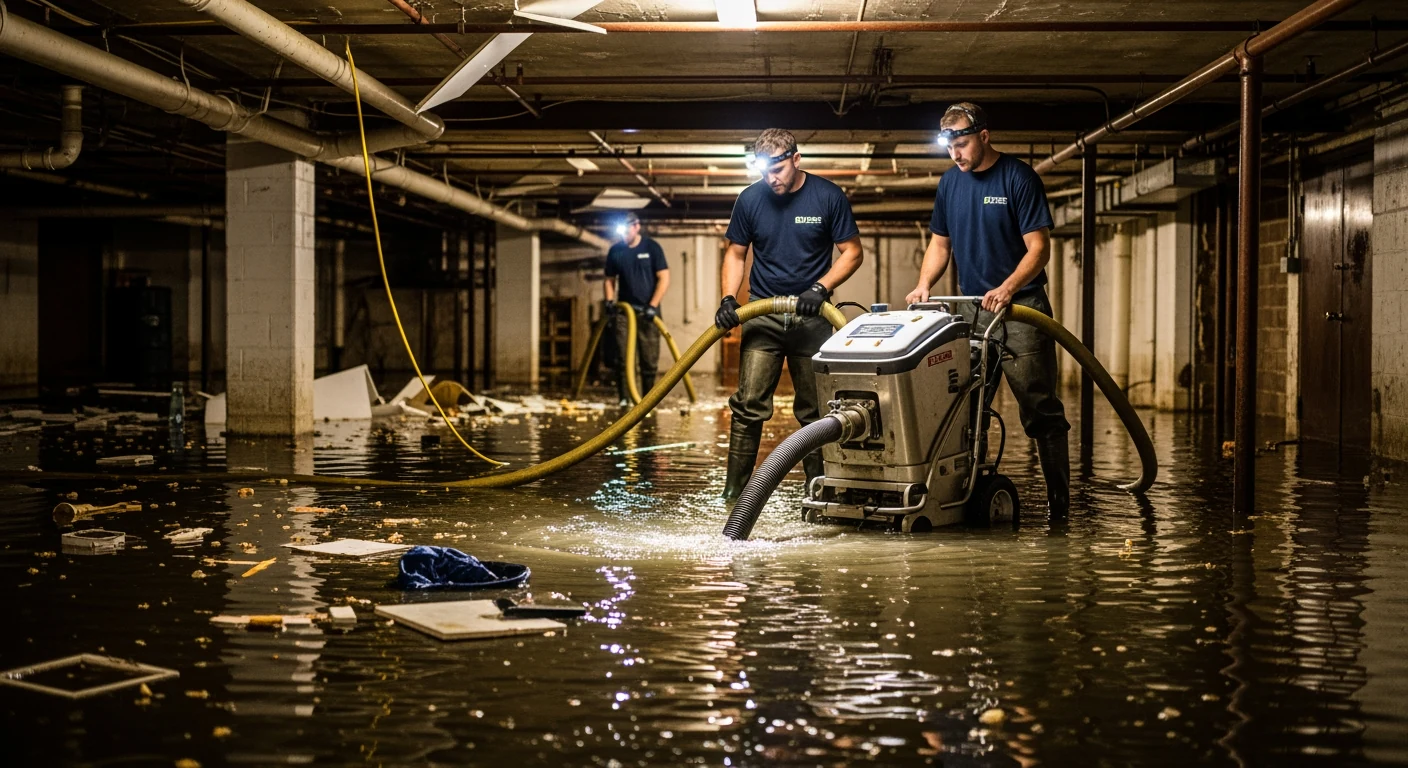
Every Long Island homeowner with a textured ceiling faces the same question: does my popcorn ceiling contain asbestos? The frustrating answer is that you genuinely cannot tell by looking at it. Asbestos-containing popcorn ceilings look identical to non-asbestos versions. But you can learn what to look for in terms of age, condition, and damage — and you can see exactly what the testing process and removal results look like before you commit to a project.
What Intact Asbestos Popcorn Ceiling Looks Like
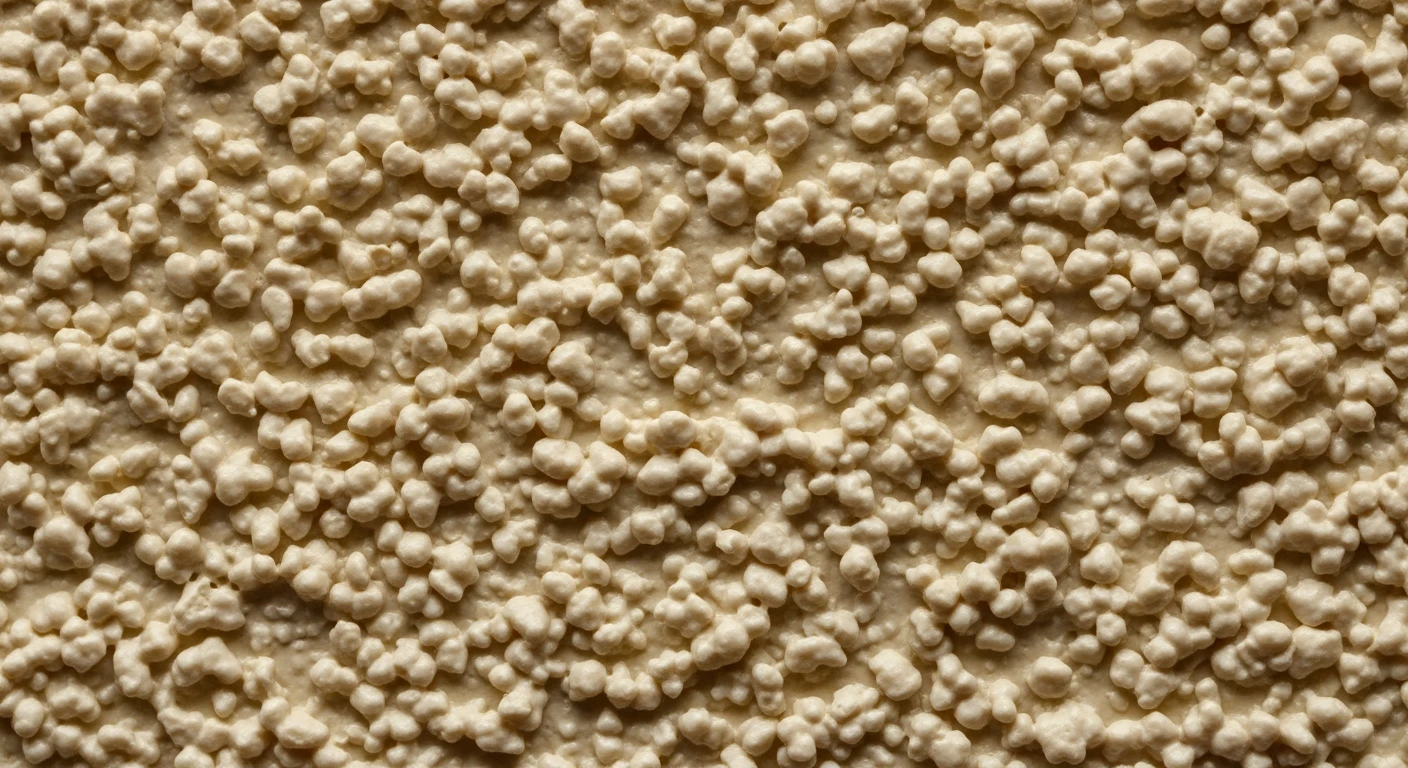
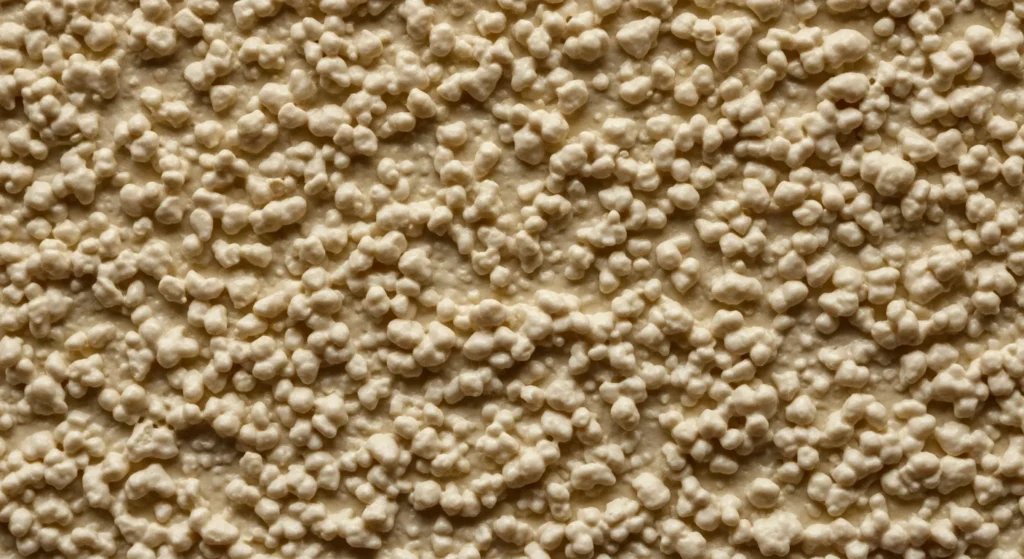
The surface texture: Popcorn ceiling texture consists of small aggregate particles (Styrofoam beads, perlite, vermiculite, or calcium carbonate) mixed with a binder and sprayed or rolled onto the ceiling. The result is a bumpy surface with peaks ranging from 1/8 inch to 1/2 inch in height. The texture may appear uniform (machine-sprayed) or irregular (hand-applied). Color is almost always white, though decades of age may have turned it cream or yellowish.
What age tells you: On Long Island, the construction date is your primary diagnostic tool. The EPA banned spray-applied asbestos in 1978, but existing inventory was used through approximately 1986. Homes with popcorn ceilings applied before 1986 have meaningful asbestos risk. Homes textured after 1986 have very low risk. Homes built in the 1950s-1970s have the highest probability — this was peak asbestos-in-texture production.
What Damaged Asbestos Popcorn Ceiling Looks Like
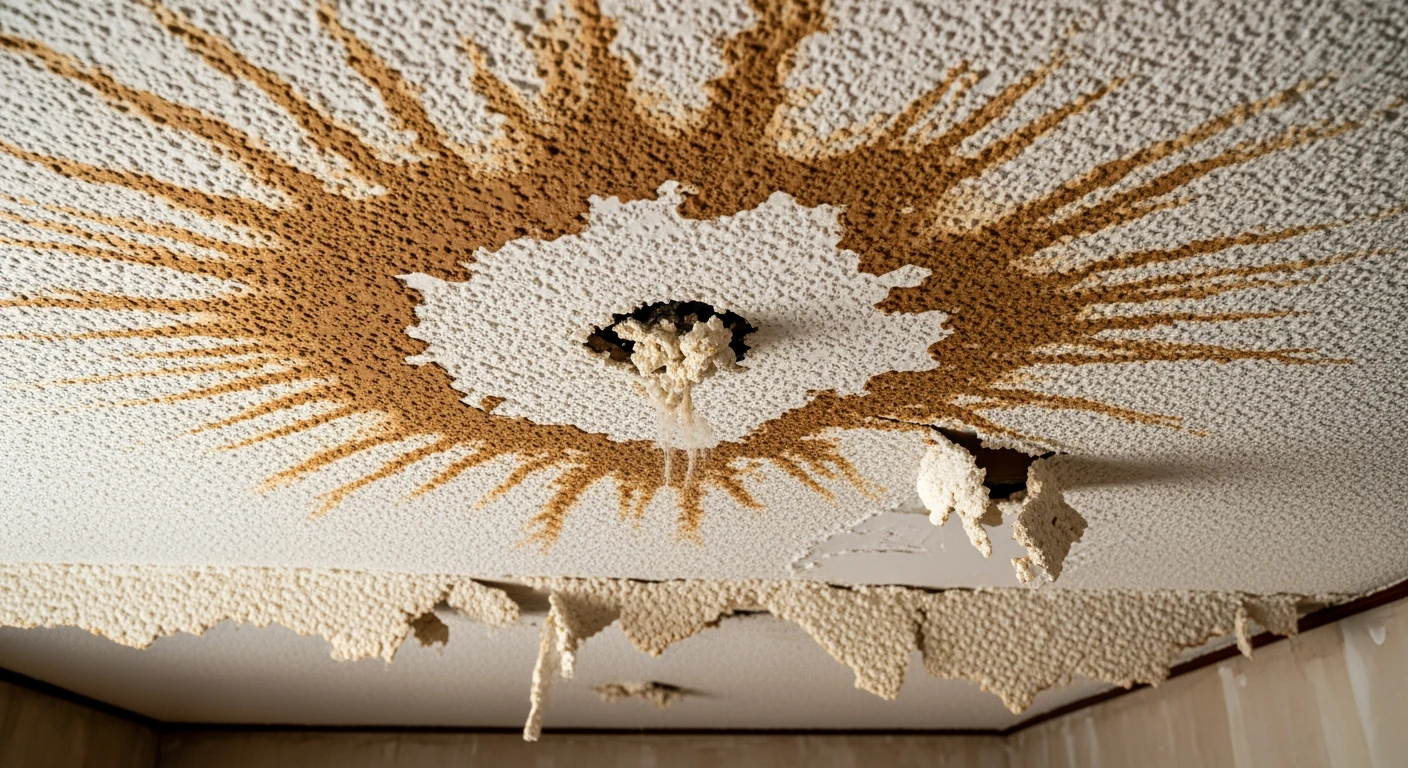
Water damage: Brown or yellowish rings and stains on a popcorn ceiling indicate water intrusion from a roof leak, plumbing failure, or condensation. Water damage is the most common cause of popcorn ceiling deterioration on Long Island, and it is the condition most likely to trigger asbestos fiber release without any human disturbance. When popcorn texture absorbs water, the binder softens, the aggregate separates, and the texture sags or falls — releasing fibers as it degrades.
Mechanical damage: Scrapes, gouges, and impact marks from moving furniture, installing ceiling fans, or accidentally hitting the ceiling with a ladder or tall object. Each point of damage exposes the interior of the texture material and can release fibers.
Age deterioration: Over decades, popcorn texture naturally degrades. The binder becomes brittle, aggregate particles loosen, and the texture develops a powdery surface that sheds dust with vibration or air movement. Ceilings in this condition may be passively releasing low levels of fibers even without direct disturbance.
If you see any of these conditions, the ceiling should be tested and assessed by a professional. Damaged asbestos popcorn ceiling is an active exposure source, not a dormant material.
What Asbestos Testing Looks Like
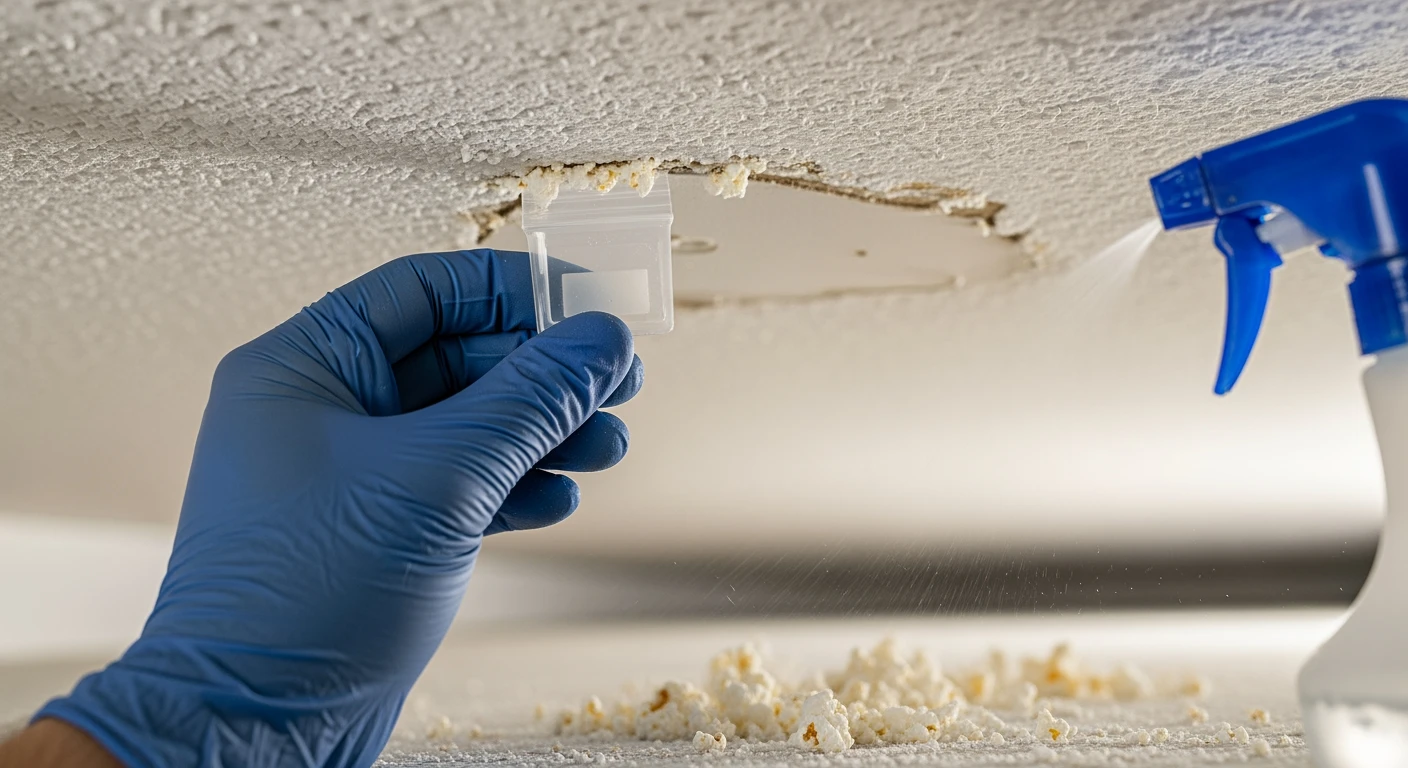
The process is simple: Wet a small area of the ceiling with a spray bottle (wetting prevents fiber release during sampling). Carefully scrape approximately one tablespoon of texture material into a sealed sample container. Label with location and date. Submit to a NVLAP-accredited laboratory for PLM analysis. Results return in 3-5 business days.
Professional vs. DIY sampling: A NYS DOH-certified inspector charges $200-$400 for a ceiling-specific inspection and handles sampling safely. DIY test kits ($25-$40) provide the same laboratory analysis but put you at risk of fiber exposure during collection if you do not wet the material adequately. For regulatory compliance (required before commercial renovation), professional sampling is mandatory.
Test at least two locations: Different rooms may have been textured at different times with different products. A ceiling that tests negative in the living room may test positive in the bedroom if one room was textured during original construction and the other during a later renovation.
What Your Ceiling Looks Like After Professional Removal
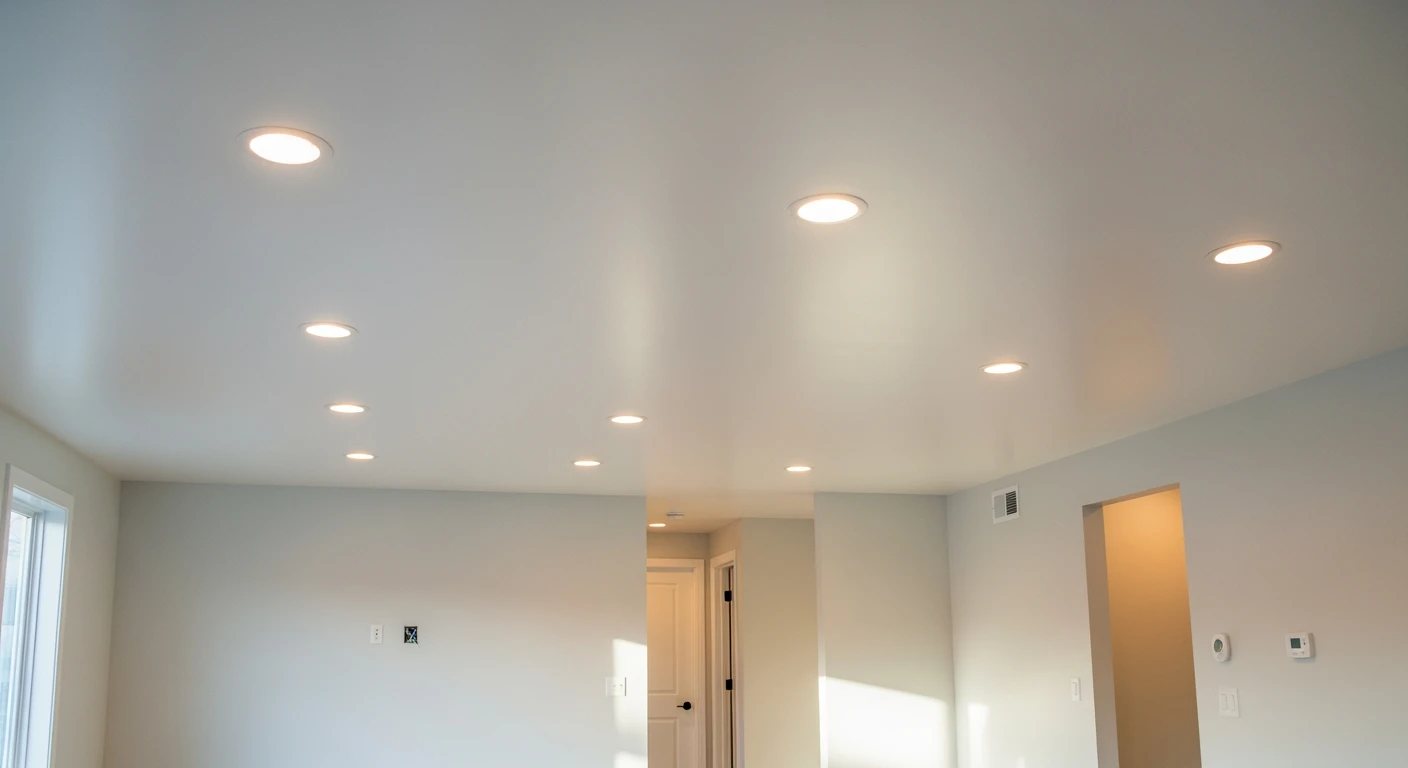
The finished result: After a licensed abatement contractor removes asbestos popcorn texture under proper containment, the underlying surface is bare drywall — flat, with visible seams and screw patterns. Most homeowners then hire a drywall finisher to skim-coat the ceiling (apply a thin layer of non-asbestos compound), sand it smooth, prime, and paint. The result is a clean, modern flat ceiling that transforms the room.
Alternatives to removal: If the ceiling is intact and you want to avoid abatement costs, you can paint directly over the texture (encapsulation) or install new 1/4-inch drywall over it (enclosure). Both approaches are safe for intact asbestos texture and cost significantly less than removal. See our complete popcorn ceiling guide for cost comparisons.
Upper Restoration’s Popcorn Ceiling Services on Long Island
Upper Restoration provides licensed asbestos popcorn ceiling removal throughout Nassau and Suffolk Counties — full containment, wet removal, independent air monitoring, and clearance testing. We also coordinate with finishing contractors to deliver a smooth, paint-ready ceiling after abatement. From testing coordination through final result, we handle every step.