By: IICRC Certified Master Water Restorer | Former Insurance Adjuster Consultant
In the world of property insurance and restoration, water damage is frequently oversimplified. To the untrained eye, a flooded basement is simply “wet.” However, to an insurance adjuster or an IICRC-certified professional, that water carries a specific “Category” and a “Class.” These distinctions are not merely academic; they are the fundamental pillars upon which restoration protocols, safety standards, and insurance claim payouts are built.
For current pricing information, see our detailed guide to water damage restoration cost on Long Island.
Understanding water damage categories and classes is the difference between a successful structural dry-out and a catastrophic secondary loss involving mold or structural failure. This guide explores the technical nuances of the IICRC S500 standards, providing adjusters and property owners with the educational framework needed to navigate complex claims with confidence and precision.
Defining Categories (The Water Source)
The “Category” of water damage refers to the level of contamination in the water source. This is the first thing an adjuster looks for because it dictates the PPE (Personal Protective Equipment) required for technicians and whether materials can be dried in place or must be demolished and replaced.
Category 1: Clean Water
Category 1 water originates from a sanitary source and does not pose a substantial risk from dermal, ingestion, or inhalation exposure. Examples include broken water supply lines, tub or sink overflows with no contaminants, and melting ice or snow. While “clean,” Category 1 water can quickly degrade. Once it contacts other surfaces or sits stagnant, it begins to dissolve chemicals and support microbial growth, transitioning to a higher category.
Category 2: Grey Water
Category 2 water contains significant contamination and has the potential to cause discomfort or sickness if consumed or touched by humans. It may contain microorganisms and nutrients for micro-organisms (organic matter). Common sources include discharge from dishwashers or washing machines, overflows from toilet bowls (containing some urine but no feces), and sump pump failures. For more insight into these nuances, you can read our detailed guide on Understanding the Different Types of Water Damage.
Category 3: Black Water
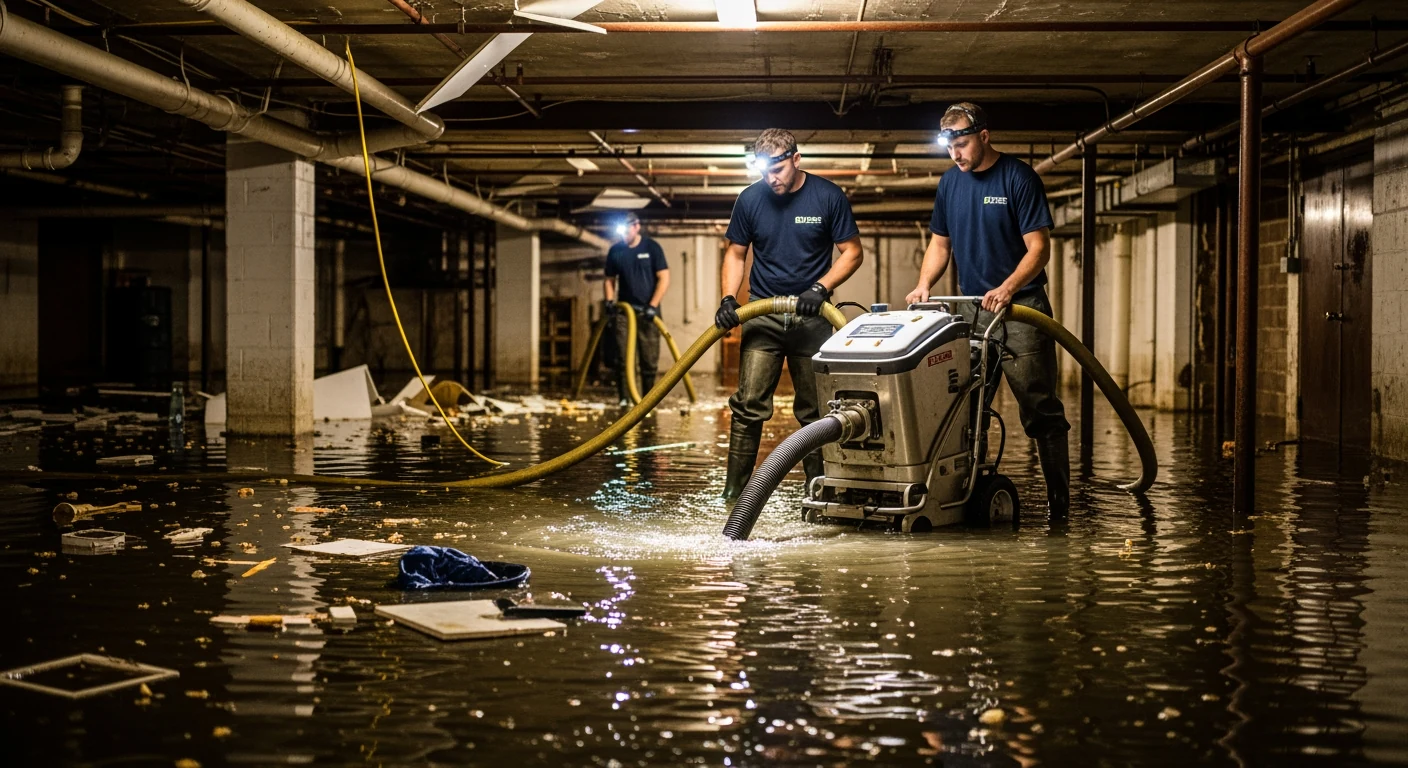
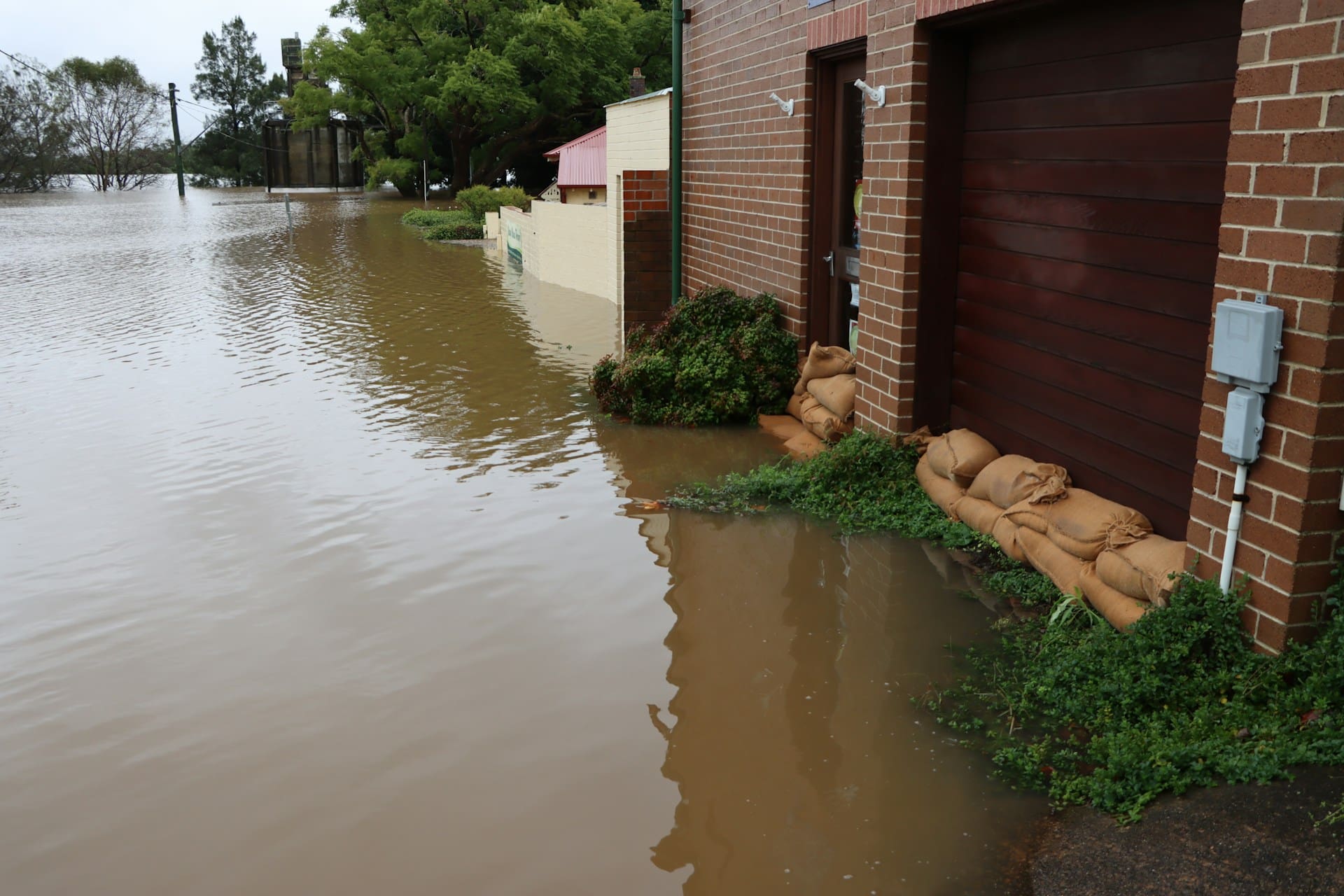
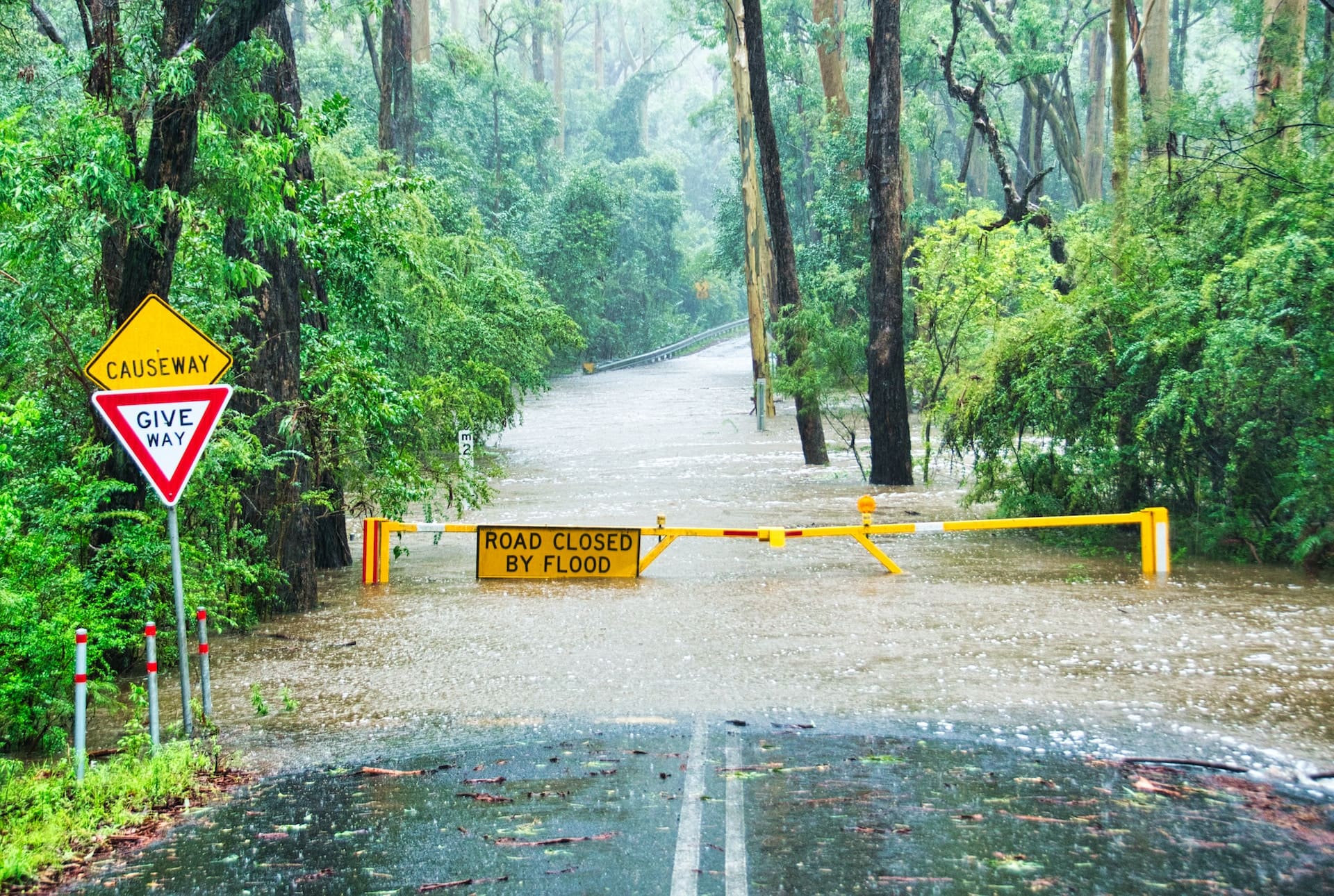
Category 3 water is grossly contaminated and can contain pathogenic, toxigenic, or other harmful agents. This is the most dangerous classification. Examples include sewage, rising floodwaters from rivers or streams, and wind-driven rain from hurricanes. Key Takeaway: Category 3 (Sewage) always requires material removal, not just drying. Porous materials like drywall, insulation, and carpeting saturated with Category 3 water are considered biohazards and cannot be salvaged under IICRC S500 standards.
Defining Classes (The Evaporation Load)
While Categories define the cleanliness of the water, “Classes” define the amount of water and the evaporation rate required to dry the structure. This is determined by the types of materials affected and the surface area of moisture.
Class 1: Low Evaporation Load
Class 1 damage affects only a portion of a room, or involves materials with low permeance (such as plywood or concrete). There is minimal moisture absorption into the structural members. This is the easiest and fastest scenario to dry because the total volume of water to be evaporated is relatively low.
Class 2: Significant Evaporation Load
In a Class 2 scenario, water has affected the entire room, including carpet and cushion (pad). Water has wicked up the walls less than 24 inches. There is a significant amount of moisture in the structural materials, requiring more aggressive air movement and dehumidification than Class 1.
Class 3: Greatest Evaporation Load
Class 3 occurs when water comes from above—think a burst pipe on the second floor. Ceilings, walls, insulation, and subfloors are all saturated. The “evaporation load” is at its peak because moisture is held in the hardest-to-reach areas of the building’s envelope. This requires a dense configuration of air movers and high-capacity LGR (Low Grain Refrigerant) dehumidifiers.
Class 4: Deeply Seated/Bound Water
Class 4 involves specialty drying situations. This occurs when moisture is trapped in low-porosity materials such as hardwood floors, plaster, brick, stone, or concrete. These materials “hold” onto water molecules (bound water), making them incredibly difficult to dry. Class 4 drying requires specialty desiccant dehumidifiers and often pressure-injection drying systems to pull moisture out from deep within the material.
Comparison Table: Water Damage Classes
| Class | Description | Drying Difficulty |
|---|---|---|
| Class 1 | Part of room, low permeance | Easy/Fast |
| Class 2 | Whole room, carpet + pad, wicking up walls | Moderate |
| Class 3 | Ceiling, walls, insulation, flooring saturated | Difficult |
| Class 4 | Hardwood, plaster, concrete (Deep moisture) | Very Difficult (Specialty Eqpt) |
How Classification Affects Claim Payouts
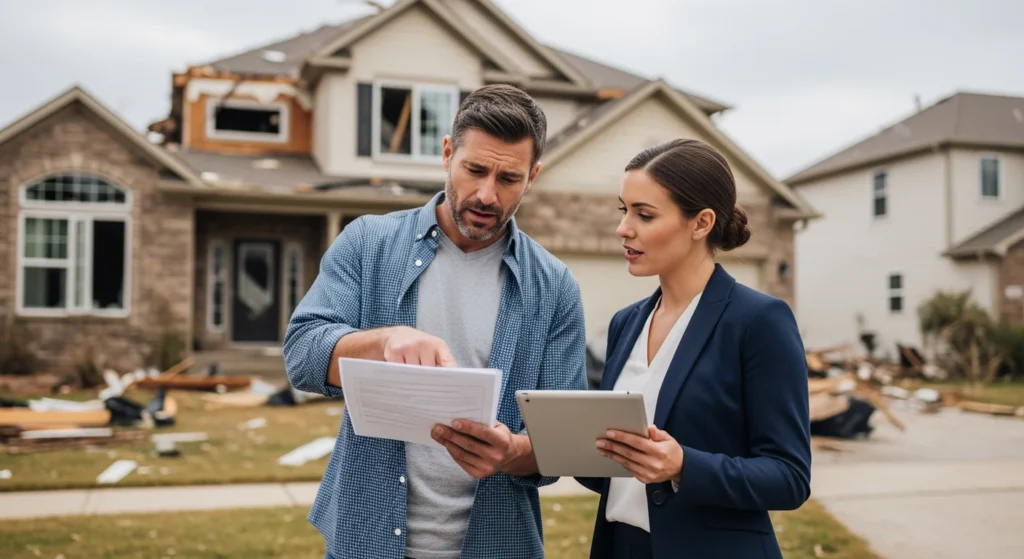
For an insurance adjuster, the classification is the roadmap for the claim’s financial scope. Misclassifying damage is a primary reason for denied claims or “supplemental” friction between the carrier and the restoration contractor. If a contractor bills for a Class 3 dry-out but the adjuster’s photos only show Class 1 splash damage, the claim will be flagged for overbilling.
Conversely, if an adjuster underestimates a Category 3 loss as a Category 1, they risk significant liability. Failing to authorize the removal of sewage-contaminated drywall can lead to “sick building syndrome” and future litigation. This is why working with professionals who offer Services – Water & Flood Damage Restoration according to IICRC standards is vital for both the carrier and the policyholder.
Proper documentation includes moisture maps, psychrometric readings (temperature and relative humidity), and clear photos of the water source. When the data supports the classification, claim payouts are processed faster and with fewer disputes.
Equipment Needed per Class
The science of drying, or psychrometrics, dictates the equipment used. As the Class increases, so does the complexity of the machinery.
- Class 1 & 2: Standard centrifugal air movers and LGR dehumidifiers are usually sufficient. LGRs are effective because they can continue to remove moisture even in lower humidity environments.
- Class 3: High-volume air movement is required. Technicians may use axial fans to move larger volumes of air across ceilings and high walls. HEPA air scrubbers are also introduced here if insulation or particulates have been disturbed.
- Class 4: This is where desiccant dehumidification becomes mandatory. Desiccants use a chemical attraction (silica gel) to pull moisture from the air, creating extremely low vapor pressure. This low vapor pressure is the only way to “pull” bound water out of dense materials like gym floors or historic plaster walls.
The Upper Restoration Difference
At Upper Restoration, our IICRC Certified technicians speak the adjuster’s language. We understand that your job depends on accurate data, clear communication, and adherence to the S500 standard. By providing detailed moisture logs and justifying our classification through empirical evidence, we ensure that claims move forward smoothly, protecting the property and the carrier’s interests simultaneously.
Frequently Asked Questions
Q: Can Category 2 water become Category 3?
A: Yes. Water is a dynamic medium. If Category 2 “grey water” is left stagnant for 24-48 hours, the bacterial growth and nutrient breakdown will escalate it to Category 3 “black water.” This is why immediate mitigation is critical to controlling claim costs.
Q: Is hardwood always a Class 4 loss?
A: Generally, yes. Because hardwood is a “non-porous” or “low-permeability” material compared to carpet, it requires specialty drying techniques to reach the moisture trapped in the wood cells and the subfloor beneath it.
Q: Why can’t we just dry Category 3 materials?
A: Category 3 water contains pathogens that can be trapped inside the pores of materials like drywall or carpet padding. Even if the material “looks” dry, the dried contaminants can become airborne later, posing a long-term health risk to occupants.
Don’t Guess on Your Assessment
Ensure your property is evaluated by experts who understand the physics of drying and the requirements of insurance carriers.
Upper Restoration provides professional sewage cleanup and removal services across Nassau County, Suffolk County, and all five NYC boroughs — available 24/7.