Brooklyn’s Infrastructure and the Evolving Risk of Water Damage
Brooklyn’s architectural landscape is a unique blend of 19th-century masonry, mid-century industrial conversions, and modern high-rise developments. While this diversity provides the borough with its distinct character, it also presents a complex array of vulnerabilities regarding water damage brooklyn. Managing a flood in a landmarked Park Slope brownstone requires a fundamentally different approach than mitigating a pipe burst in a glass-walled luxury tower in Williamsburg. As of 2026, the intersection of aging municipal infrastructure and increasingly volatile weather patterns has made rapid, professional intervention more critical than ever.
The challenges often begin with the borough’s combined sewer system, which manages both sanitary sewage and stormwater. During heavy rainfall, these systems can reach capacity, leading to backflow into residential basements. For property owners, understanding the specific risks associated with their building type and neighborhood—from the low-lying streets of Red Hook to the dense blocks of Bedford-Stuyvesant—is the first step in effective property maintenance and emergency preparedness.
Vulnerabilities of the Brooklyn Brownstone and Historic Building Stock
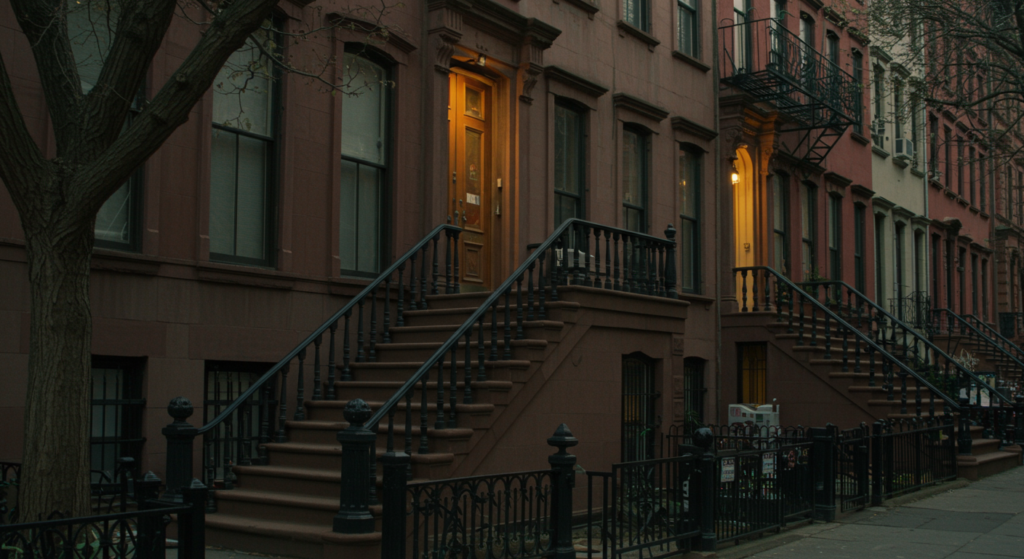
The iconic Brooklyn brownstone, while aesthetically prized, presents specific challenges when water enters the structure. These buildings often utilize multi-wythe brick foundations and timber-frame internal structures that are highly porous. When a water damage brownstone event occurs, the water does not simply sit on the surface; it is absorbed into the masonry through capillary action, often referred to as “rising damp.”
Common issues in these historic structures include:
- Cast Iron Pipe Failure: Many older homes still rely on original cast iron waste lines. Over decades, these pipes corrode from the inside out, eventually leading to a brooklyn pipe burst that can release hundreds of gallons of gray water into wall cavities and sub-flooring.
- Plaster and Lath Walls: Unlike modern drywall, historic plaster and lath is exceptionally durable but also highly absorbent. Once saturated, it requires specialized drying techniques to prevent the wood lath from warping and the plaster from delaminating.
- Cellar Seepage: Many Brooklyn “garden level” apartments or cellars were originally designed with permeable floors. Modern renovations often cover these with laminate or tile, which can trap moisture underneath, leading to undetected microbial growth.
In these scenarios, water damage brooklyn restoration teams must prioritize non-destructive moisture mapping. Using FLIR thermal imaging and penetrating moisture meters, technicians can track the migration of water behind historic finishes without unnecessarily tearing down original architectural details.
Addressing Brooklyn Basement Flooding in High-Risk Zones
Neighborhoods like Gowanus, Red Hook, and Sheepshead Bay have long histories of brooklyn basement flooding, driven by both coastal surges and inland drainage issues. Following the standards set by the IICRC S500, any water entering a building from the ground or through a sewage backup is classified as Category 3 (Black Water). This designation is critical because it indicates the presence of pathogens, heavy metals, and other contaminants common in urban runoff.
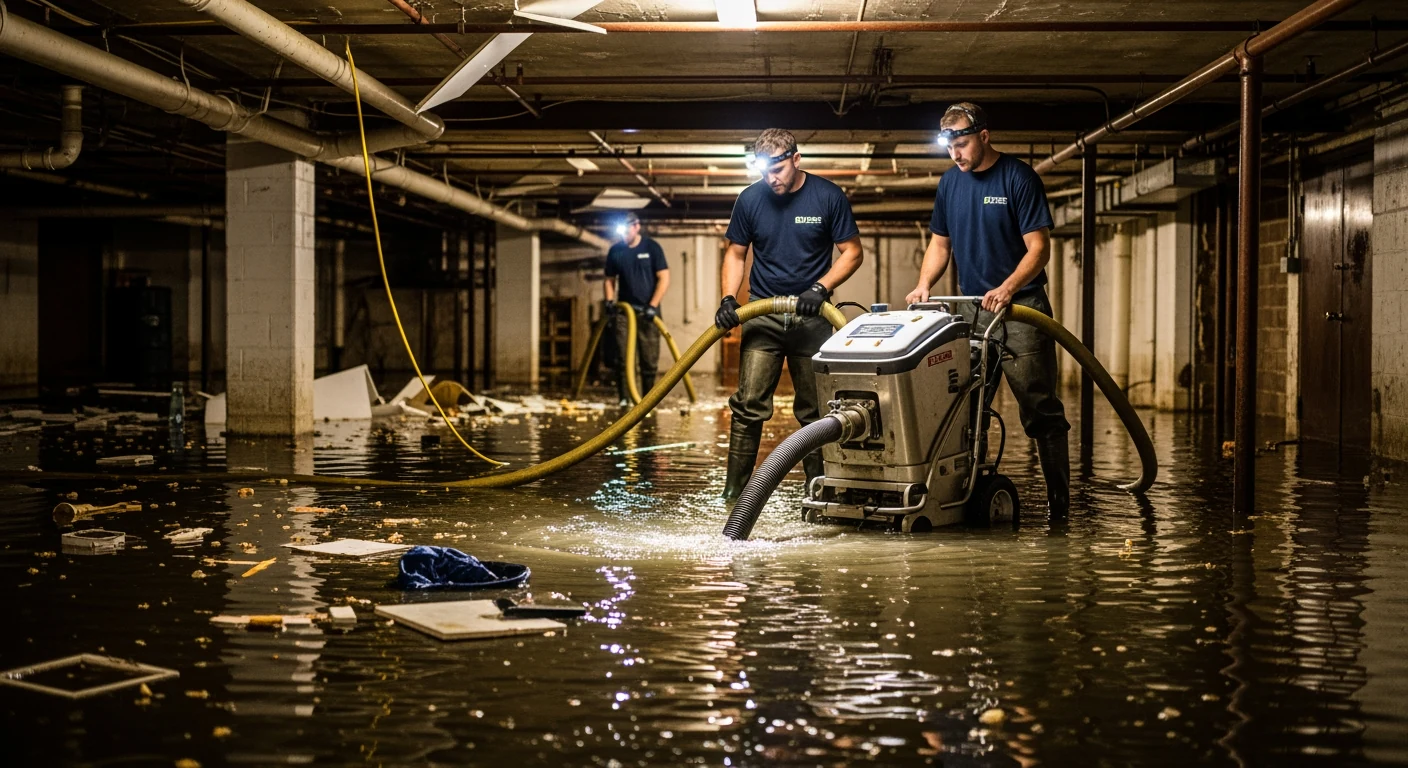
When dealing with a Category 3 event in a Brooklyn basement, the restoration process involves more than just water removal. It requires a rigorous decontamination protocol. Upper Restoration technicians focus on the removal of “porous” materials that cannot be effectively sanitized, such as padded carpeting or unfinished insulation, while applying EPA-registered antimicrobials to “semi-porous” surfaces like concrete foundation walls.
The Impact of Surcharge and Backflow
Many Brooklyn properties are particularly susceptible to sewer surcharge. When the city’s main lines are overwhelmed, the pressure pushes sewage back through the lowest drains in a building. This is a common cause of water damage brooklyn that requires immediate professional extraction to prevent long-term health risks and structural rot. Property owners are often encouraged to install backwater valves, though even these systems require regular maintenance to remain effective against the pressures of a major storm event.
The Technical Process of Brooklyn Emergency Water Removal
Effective brooklyn emergency water removal is a science governed by the principles of psychrometrics—the study of air, moisture, and temperature. Simply “letting the air hit it” is rarely sufficient in the humid coastal environment of New York City. Upper Restoration utilizes a multi-stage approach to ensure the structure returns to its “dry standard.”
- Physical Extraction: Removing standing water in the liquid state is 500 times more efficient than evaporation. We utilize truck-mounted extraction units to remove the bulk of the water from floors and substrates.
- Evaporation: Using high-velocity air movers, we transition the remaining moisture from the materials into the air.
- Dehumidification: As moisture enters the air, industrial-grade LGR (Low Grain Refrigerant) dehumidifiers remove it, preventing secondary damage like mold growth on ceilings or documents.
- Temperature Control: Since warm air holds more moisture, we carefully manage the temperature of the environment to accelerate the drying rate.
Throughout this process, water damage brooklyn specialists must maintain a detailed drying log. This documentation proves to insurance adjusters that the property was dried scientifically, reducing the likelihood of future claims being denied due to “pre-existing” mold or rot.
Insurance Reality and NYC Regulatory Compliance
Navigating an insurance claim in Brooklyn requires meticulous documentation. NYC property owners must also be aware of specific local regulations that impact restoration. For instance, in buildings constructed before 1980, the New York City Department of Environmental Protection (DEP) often requires an ACP-5 asbestos survey before any significant demolition of drywall, flooring, or insulation can occur—even in an emergency water damage situation.
Upper Restoration works within these regulatory frameworks, ensuring that all brooklyn emergency water removal efforts are compliant with local laws. When an insurance adjuster arrives, having a professional restoration partner who can speak their language—discussing GPP (grains per pound), vapor pressure, and IICRC S500 standards—is invaluable. It’s important to note that most standard homeowners’ policies cover sudden and accidental pipe bursts but may require a separate rider for “Sewer and Drain Backup” or a specific FEMA-backed policy for flood damage from external rising waters.
Understanding Cost and Timelines
The cost of water damage brooklyn restoration varies significantly based on the category of water and the materials affected. A clean-water pipe burst in a 1,000-square-foot basement might range from $3,000 to $7,000 for mitigation. However, if that same basement is flooded with Category 3 sewage, the costs can double or triple due to the intensive PPE, hazardous waste disposal, and sanitization required. Drying typically takes 3 to 5 days, depending on the saturation levels of the structural members.
Frequently Asked Questions
How soon after a brooklyn pipe burst should I call a professional?
Ideally, within 2 to 4 hours. Mold spores can begin to colonize in as little as 24 to 48 hours. Rapid extraction significantly reduces the amount of “wicking” that occurs, potentially saving thousands of dollars in structural repairs.
Does my Brooklyn co-op or condo insurance cover water damage from a neighbor?
Generally, your own policy (HO-6) covers your “walls-in” property and improvements, regardless of who is at fault. Your insurance company may then choose to subrogate against the neighbor’s insurance if they were negligent. Always notify your building management immediately to prevent the spread of water damage brooklyn through the building’s common elements.
What is an ACP-5, and why do I need one?
In NYC, an ACP-5 is a form signed by a certified asbestos investigator stating that the materials to be disturbed are either asbestos-free or that the project is not a large-scale abatement. This is required by the DEP for many types of demolition work, even following brooklyn basement flooding, to ensure the safety of the occupants and workers.
Can I dry out a water damage brownstone event myself?
While you can mop up surface water, you cannot easily address the moisture trapped within masonry or behind plaster. Without professional-grade dehumidification, the interior of the walls will remain damp for weeks, creating a perfect environment for mold and structural degradation.
Talk to Upper Restoration
If you are currently facing a water damage brooklyn emergency, professional guidance is essential to protecting your property’s value and your health. Upper Restoration provides 24/7 emergency response throughout the borough, from Greenpoint to Coney Island. Our technicians are IICRC-certified and equipped to handle the unique architectural and regulatory challenges of New York City restoration. We focus on getting your home or business back to its pre-loss condition through scientific drying and transparent communication with your insurance carrier. For an assessment of your property or immediate emergency assistance, contact our team to discuss your restoration needs.