mold-Resistant Renovation Materials Trending in 2026
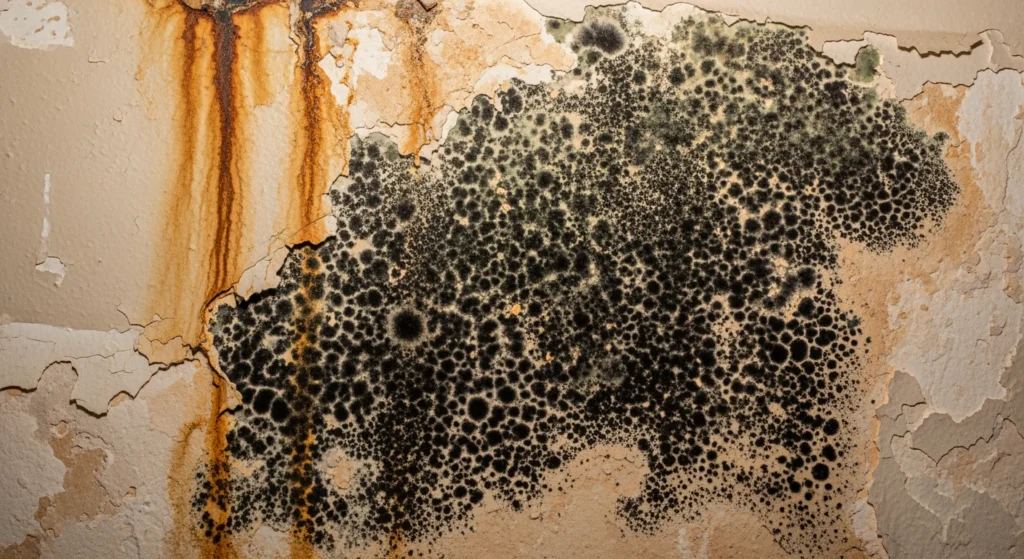
If you’re planning a renovation, rebuild, or storm recovery in 2026, one factor should be at the top of your materials list: mold resistance. Moisture issues are one of the leading causes of property damage — and mold doesn’t need much to take hold. The best solution? Prevent it from the ground up.
Whether you’re renovating a bathroom, rebuilding a basement, or just upgrading to smarter materials, here are the top mold-resistant options trending this year.
Why Mold-Resistant Materials Are in Demand
Rising humidity, extreme weather events, and aging building stock have all contributed to increased mold issues across the Tri-State. insurance claims are growing more complex — and so are homeowner concerns.
Mold-resistant materials are no longer a niche luxury. They’re a smart investment for:
- Healthier indoor air quality
- Reduced future remediation risk
- Higher resale value and appraisal credibility
- Faster insurance approvals after water-related incidents
Top Mold-Resistant Materials for 2026 Renovations
Here’s what’s trending — and why it matters:
- Drywall: Paperless (fiberglass-faced) drywall is now standard in high-risk areas like basements, bathrooms, and kitchens. It resists moisture and doesn’t give mold a place to grow.
- Insulation: Closed-cell spray foam and mineral wool both resist mold while providing excellent thermal protection. They’re also fire-resistant and great for noise reduction.
- Flooring Systems: Look for waterproof underlayments, mold-resistant backer boards, and click-lock vinyl or tile options that don’t trap moisture underneath.
- Paints and Primers: Antimicrobial formulas are built into many 2026 paint lines — especially for bathrooms and kitchens.
- Sealants and Caulks: New flexible, mildew-resistant sealants are formulated for long-term elasticity and adhesion in humid environments.
Where to Use These Materials Most Effectively
Not every room needs the full suite of upgrades. Focus on:
- Bathrooms and laundry areas
- Basements and crawl spaces
- Kitchens, utility rooms, and water-adjacent walls
- Exterior walls and attics in humid zones
Even if you’re not doing a full remodel, spot-replacing vulnerable areas can offer long-term protection.
Traditional vs. Mold-Resistant: What’s the Cost Difference?
Mold-resistant materials may cost slightly more up front — but the payoff comes in:
- Lower risk of needing demo and remediation later
- Fewer insurance disputes in the event of water damage
- Improved resale value for health-conscious buyers
- Reduced risk of respiratory issues for occupants
Think of it as an insurance policy you can build right into the walls.
How Upper Restoration Integrates These Into Post-Damage Rebuilds
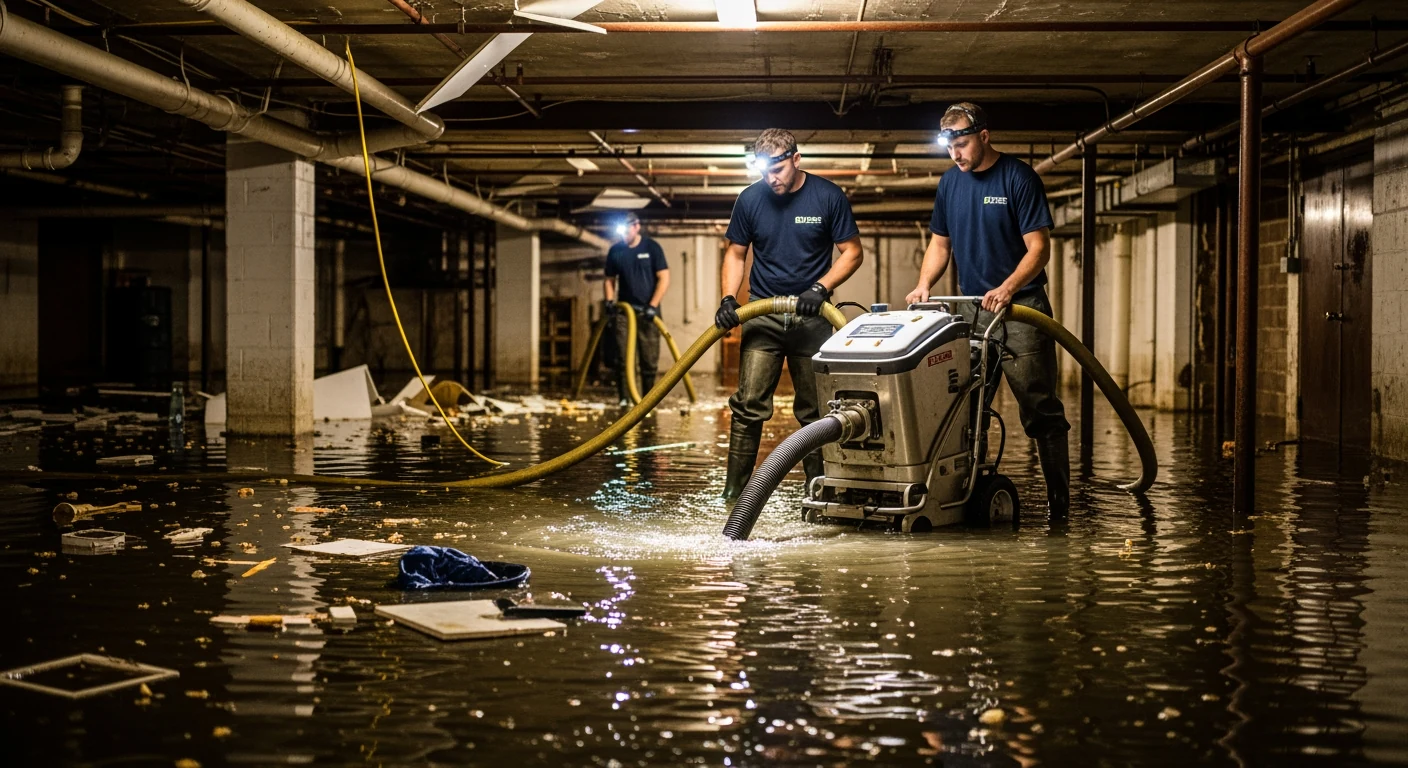
If you’ve experienced water or mold damage and are rebuilding, we don’t just restore — we improve. Our rebuild team uses mold-resistant materials wherever possible and walks you through:
- Recommended upgrades by room type
- Long-term maintenance tips
- Insurance-compatible options for coverage and documentation
We believe restoration is a chance to future-proof your space.
Build It Better — And Mold Resistant
Planning a renovation or post-damage rebuild?
We’ll recommend mold-resistant upgrades that protect your home long after the work is done.
Contact Us
FAQ
Q: Are mold-resistant materials worth the extra cost?
A: Yes — especially in high-moisture areas. They can prevent expensive future damage and are often supported by insurers.
Q: Can I use mold-resistant drywall everywhere?
A: You can, but it’s especially recommended for bathrooms, basements, laundry rooms, and kitchens.
Q: Do mold-resistant paints actually work?
A: Yes — many modern paints include antimicrobial agents that inhibit mold growth on painted surfaces.
Upper Restoration provides professional water and flood damage restoration services across Nassau County, Suffolk County, and all five NYC boroughs — available 24/7.