Where environmental hazards and health risks are increasingly prevalent, the significance of professional hazardous materials (hazmat) cleaning cannot be overstated. As a property restoration company, we understand the critical role that hazmat cleaning plays in safeguarding public health and ensuring the safety of both residential and commercial spaces. This article delves into the importance of hazmat cleaning, its various applications, and the reasons why it should always be entrusted to trained professionals.
Understanding Hazmat Cleaning
Hazmat cleaning refers to the process of identifying, containing, and safely removing hazardous materials from an environment. These materials can range from biological contaminants and chemical spills to radioactive substances and other potentially dangerous elements. The primary goal of hazmat cleaning is to restore affected areas to a safe and habitable condition, minimizing health risks and environmental impact.
The Risks of Hazardous Materials
Exposure to hazardous materials can lead to severe health consequences, including respiratory issues, skin irritations, and even long-term illnesses such as cancer. Moreover, these substances can pose significant environmental risks, contaminating soil and water sources if not properly managed. The potential for immediate and long-term harm underscores the importance of professional hazmat cleaning services.
Common Scenarios Requiring Hazmat Cleaning
- Industrial accidents and chemical spills
- Biohazard incidents (e.g., crime scenes, trauma sites)
- Mold infestations
- Asbestos removal
- Lead paint abatement
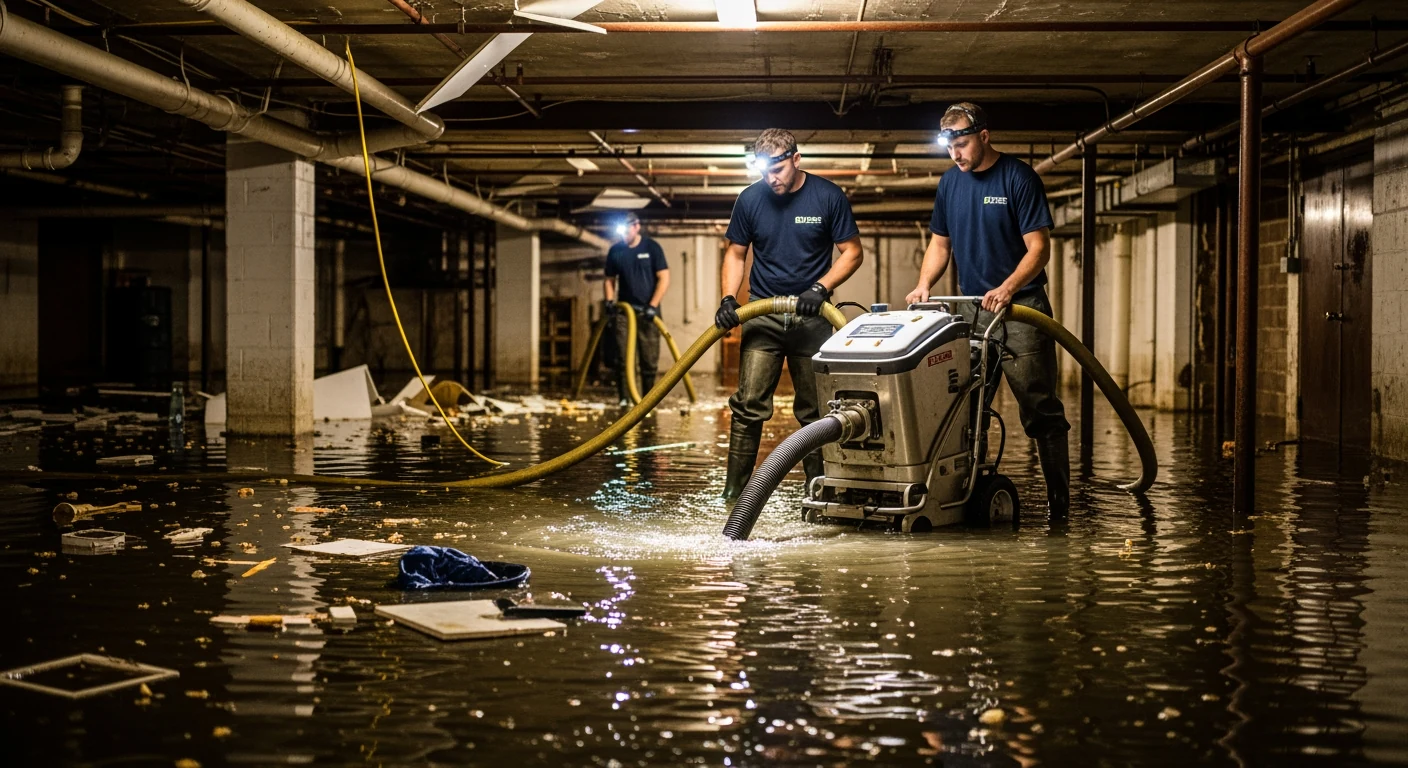
- Sewage backups
- Laboratory incidents
The Importance of Professional Expertise
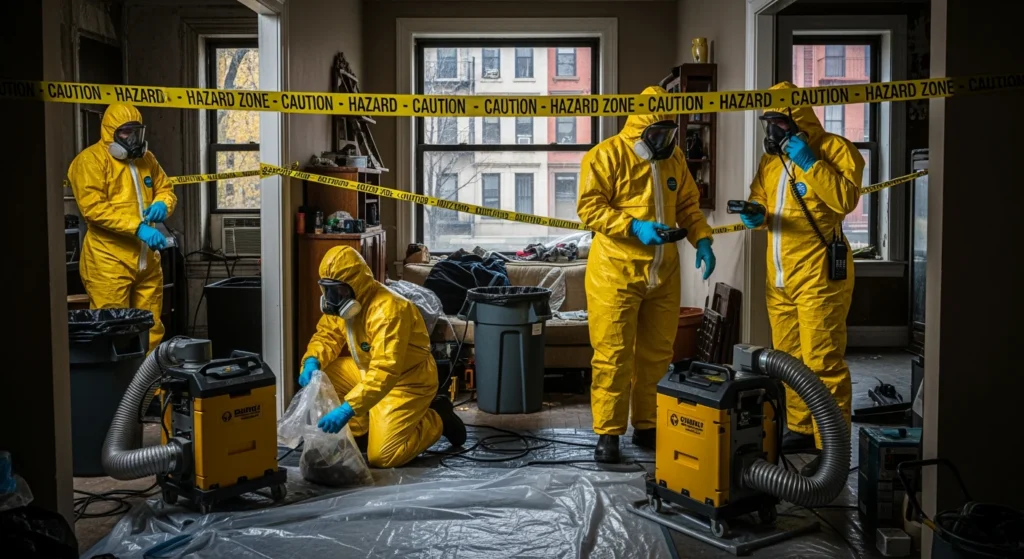
While it may be tempting for property owners to attempt hazmat cleaning themselves, this approach can be extremely dangerous. Professional hazmat cleaners undergo rigorous training and certification processes to handle these materials safely. They are equipped with the necessary protective gear, specialized cleaning agents, and advanced equipment to effectively neutralize and remove hazardous substances without putting themselves or others at risk.
The Hazmat Cleaning Process
1. Assessment and Planning
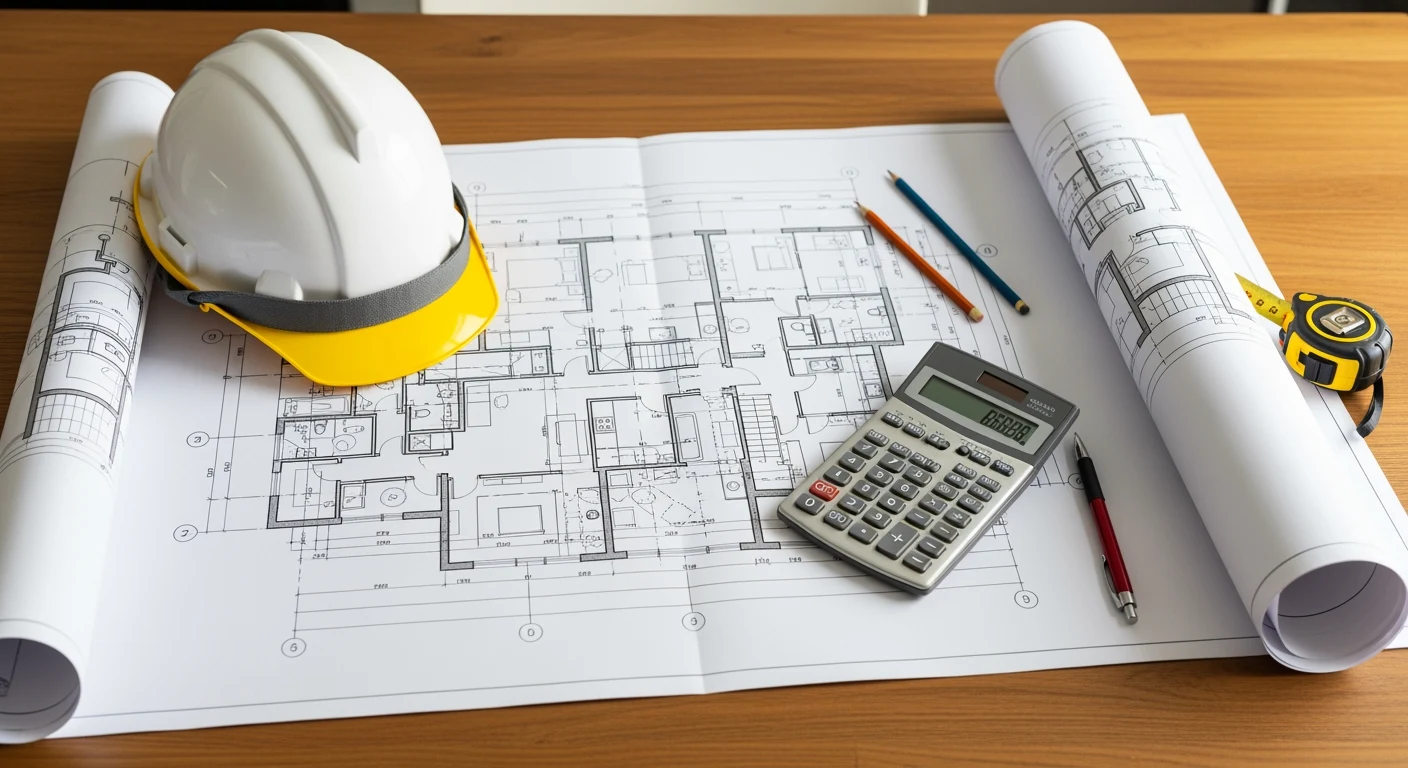
Professionals begin by thoroughly assessing the affected area to identify the type and extent of contamination. This information is used to develop a comprehensive cleaning plan.
2. Containment
The contaminated area is isolated to prevent the spread of hazardous materials to unaffected regions. This often involves setting up physical barriers and implementing air filtration systems.
3. Removal and Cleaning
Using appropriate techniques and equipment, the hazardous materials are safely removed and disposed of according to regulatory guidelines. The affected area is then thoroughly cleaned and decontaminated.
4. Decontamination
All equipment and personnel involved in the cleaning process undergo decontamination to prevent cross-contamination.
5. Testing and Verification
After cleaning, the area is tested to ensure that all hazardous materials have been successfully removed and that the environment is safe for reoccupation.
Legal and Regulatory Compliance
Hazmat cleaning is subject to strict regulations set by agencies such as the Occupational Safety and Health Administration (OSHA) and the Environmental Protection Agency (EPA). Professional hazmat cleaning services ensure compliance with these regulations, protecting property owners from potential legal liabilities and ensuring that all waste is disposed of in an environmentally responsible manner.
The Role of Technology in Hazmat Cleaning
Advancements in technology have significantly improved the efficiency and effectiveness of hazmat cleaning. From advanced personal protective equipment (PPE) to sophisticated detection and neutralization tools, these technological innovations enable hazmat professionals to handle increasingly complex scenarios with greater safety and precision.
Preventive Measures and Education
While professional hazmat cleaning is crucial in addressing existing contamination, prevention plays an equally important role. Property owners and managers should be educated about potential hazards, proper storage and handling of hazardous materials, and the importance of regular inspections. This proactive approach can significantly reduce the risk of hazardous incidents and the need for extensive cleaning operations.
Ensure Health
The importance of professional hazmat cleaning in ensuring safety and health cannot be overstated. As environmental concerns continue to grow and our understanding of hazardous materials evolves, the role of specialized cleaning services becomes increasingly vital. By entrusting hazmat cleaning to trained professionals, we not only protect our immediate health and safety but also contribute to the long-term well-being of our communities and the environment. Remember, when it comes to hazardous materials, safety should always be the top priority, and professional expertise is the key to achieving it.
As a new home owner, I couldn’t have asked for a better company. Lou and his team made my hard situation an easy and stress…Read More »
a month ago via Google
Alisha T
We recently had major water damage in our home, affecting the entire kitchen, dining room, and basement. Louis from Upper Restoration showed up quickly, assessed…Read More »
2 months ago via Google
Cathy Choi
We recently sustained some damage to our roof and our central air system due to a storm. Upper Restoration had to open our ceiling to…Read More »
2 months ago via Google
Chimere Luke
I had the pleasure of working with Upper Restoration and their incredible team during a recent project for my home after a flood, and I…Read More »
7 months ago via Google
Lewis James Lirosi
Frequently Asked Questions
What is hazmat cleaning and when is it needed?
Hazmat (hazardous materials) cleaning is the professional removal and decontamination of dangerous substances such as asbestos, lead, mold, biohazards, sewage, and chemical spills. In NYC and on Long Island it is typically needed after floods, fires, sewage backups, or when older buildings are found to contain asbestos or lead during renovation.
Do I need a licensed company for hazmat cleaning in New York?
Yes. New York State and New York City require licensed, trained professionals for most hazardous material work, including asbestos abatement. Upper Restoration follows OSHA and EPA protocols and coordinates the required documentation for properties across NYC, Nassau County, and Suffolk County.
How long does hazmat cleaning take?
Timelines depend on the size of the affected area and the type of contaminant. A single room may take a day, while whole-building decontamination can take several days. Upper Restoration provides a written assessment and scope before work begins so Long Island and NYC property owners know what to expect.
Is it safe to stay in the building during hazmat cleaning?
In most cases occupants should stay out of the containment zone until testing confirms the area is safe. Professional crews use containment barriers, negative-air machines, and post-clearance testing to protect residents before spaces are reoccupied.
Related Reading
- Long Island Asbestos Abatement and Removal
- Hazmat Cleaning for Disaster Recovery
- Our Restoration Services
Need professional asbestos abatement on Long Island? Upper Restoration provides licensed asbestos abatement and removal services across NYC and Long Island. Contact us for a free assessment.