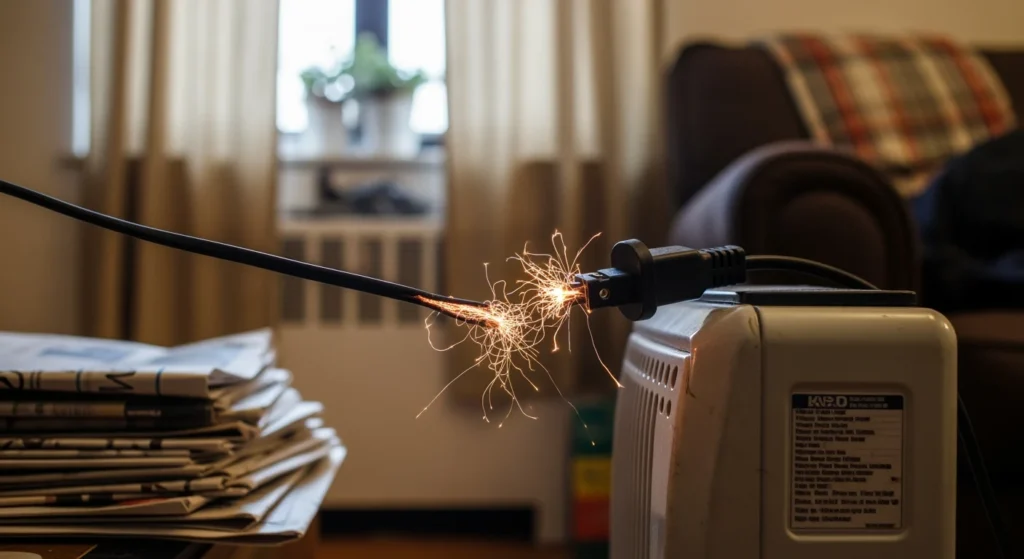
When the cold weather sets in, it’s tempting to plug in a portable space heater to warm up a drafty room. While convenient, these small appliances are a major source of risk. Space heaters are a leading cause of home heating fires and fire-related deaths, responsible for thousands of residential fires every year.
Understanding the hidden dangers of space heaters is the first step to preventing a tragedy. Before you plug one in this winter, review these critical safety hazards and explore safer alternatives.
The Two Main Dangers: Fire and Electrical Hazards
The risks associated with space heaters fall into two main categories:
1. Fire Hazards (Proximity to Flammables)
The most common cause of space heater fires is placing the unit too close to combustible materials. The intense heat can ignite items like:
- Bedding, blankets, and curtains
- Couches, chairs, and other upholstered furniture
- Clothing and towels
- Rugs
- Newspapers and stacks of paper
A simple rule to remember is the “three-foot rule”: keep anything that can burn at least three feet away from the space heater on all sides.
2. Electrical Hazards (Overloaded Circuits)
Portable electric space heaters are high-wattage appliances. They draw a significant amount of electricity, which can easily overwhelm older home wiring or an already-taxed circuit.
- Overloads: Plugging a space heater into a circuit that is already powering other devices (like a TV, computer, or hair dryer) can cause the circuit breaker to trip. In worse-case scenarios, it can overheat the wiring inside your walls, creating a serious fire hazard.
- Extension Cords: Never, ever plug a space heater into an extension cord or a power strip. The high-power draw can cause the cord to overheat and ignite. Space heaters should only be plugged directly into a wall outlet.
Space Heater Safety Checklist
If you must use a space heater, follow this safety checklist every time:
- Look for the Label: Only use units that have been tested and certified by a nationally recognized testing laboratory, such as UL (Underwriters Laboratories).
- Get Newer Models with Safety Features: Modern heaters should have a “tip-over switch” that automatically shuts the unit off if it’s knocked over, as well as an “overheat protection” sensor.
- Follow the “Three-Foot Rule”: Maintain a 3-foot clearance around the heater in all directions.
- Place on a Hard, Level Surface: Never place a heater on a carpet, rug, or an unstable surface like a table.
- Plug Directly into the Wall: Do not use extension cords or power strips.
- Turn Off When You Leave: Never leave a space heater running unattended. Turn it off when you leave the room or go to sleep.
- Keep Away from Water: Never use a space heater in a bathroom or other damp area to avoid a shock hazard.
Safer Alternatives to Space Heaters
Instead of relying on a high-risk portable heater, consider these safer, more permanent solutions for cold spots in your home:
- Find and Seal Air Leaks: The root cause of a cold room is often a draft. Use caulk and weatherstripping to seal leaks around windows and doors.
- Add Insulation: Check the insulation in your attic, basement, and exterior walls. Proper insulation is the most effective way to keep your home warm.
- Upgrade Your Main Heating System: Have your furnace or HVAC system serviced annually to ensure it’s running at peak efficiency.
- Consider a Ductless “Mini-Split” System: For a room that’s consistently cold (like a new addition or a finished attic), a ductless heat pump is a highly efficient and safe permanent heating solution.
- Use Heated Blankets (Safely): For personal warmth in bed or on the couch, a modern, UL-listed electric blanket is a safer, low-wattage alternative, as long as you follow the manufacturer’s safety instructions.
What to Do If a Fire Starts
If a space heater or electrical outlet catches fire, get out immediately and call 911. Do not try to fight an electrical fire yourself.
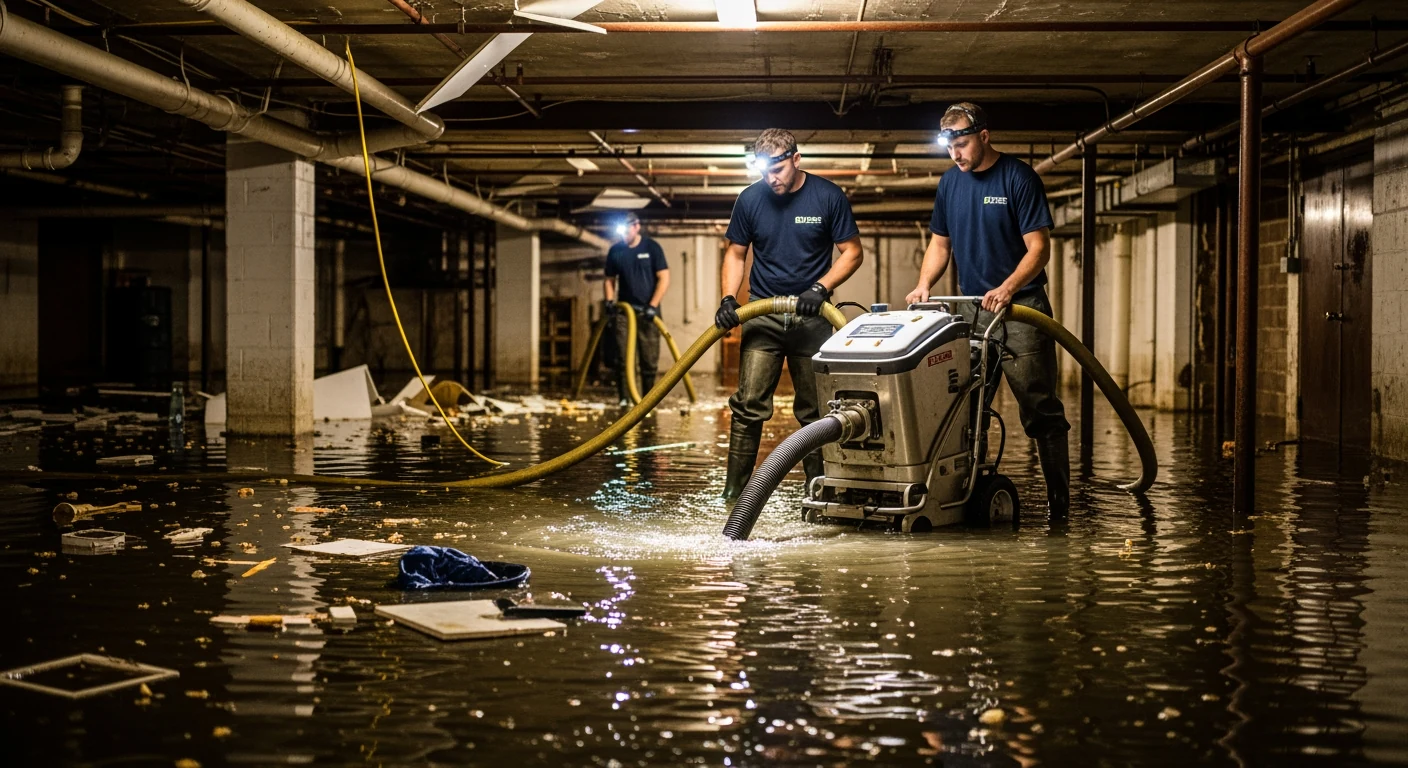
If you have experienced a fire, even a small one, it’s critical to have a professional restoration company assess the damage. The smoke and soot from a small electrical fire can travel throughout your home’s HVAC system, causing hidden damage and odor that require professional remediation.
Upper Restoration provides professional fire and smoke damage restoration services across Nassau County, Suffolk County, and all five NYC boroughs — available 24/7.
Stay safe and warm this winter by treating all heating appliances with caution. If you need help recovering from a fire, our certified fire and smoke damage experts are available 24/7.