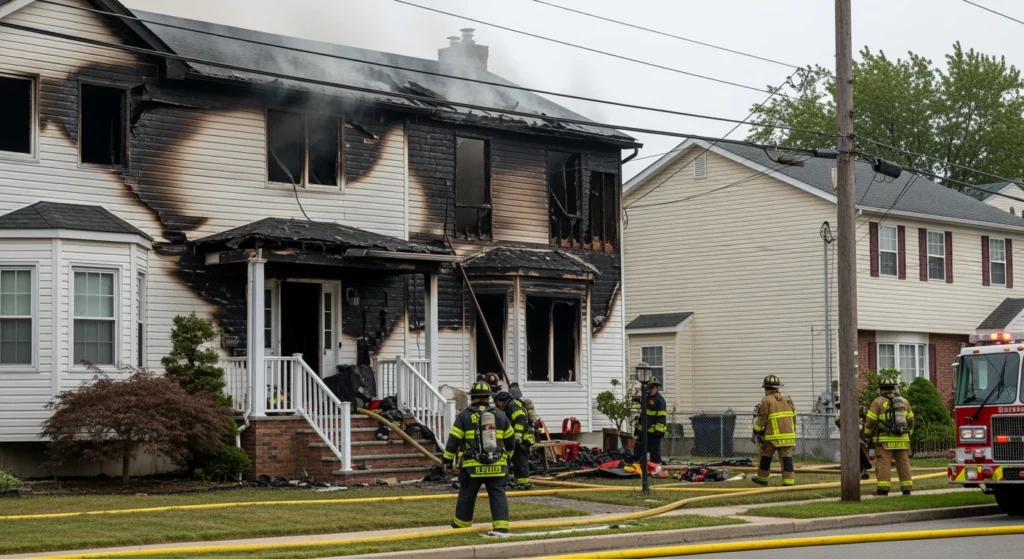
A house fire is a devastating event, and the immediate aftermath can be overwhelming. For homeowners in Nassau and Suffolk counties, the first 24 hours are critical for ensuring safety, securing your property, and taking the first crucial steps toward recovery. This checklist will guide you through the immediate actions you need to take.
1. Prioritize Safety Above All Else
- Wait for Official Clearance: Do not re-enter your home until the fire department has officially declared it safe. There may be hidden structural dangers, hot spots that could reignite, or hazardous air quality.
- Check on Everyone: Account for all family members and pets. If anyone is missing or injured, inform emergency responders immediately.
- Watch for Hazards: Be aware of potential dangers around your property, such as downed power lines, unstable structures, or slippery surfaces from water used to extinguish the fire.
2. Make Initial Contact with Key People
- Contact Your Insurance Company: Call your insurance agent as soon as possible to report the fire. They will start the claims process and can provide guidance on immediate needs like temporary housing and financial assistance.
- Notify Your Mortgage Company: It’s important to inform your mortgage lender about the fire.
- Inform Close Family and Friends: Let your loved ones know you are safe. They can provide emotional support and may be able to help with immediate needs.
3. Secure Your Property
- Prevent Unauthorized Entry: If the fire department has not already done so, arrange for your property to be boarded up. An unsecured property is an invitation for theft and vandalism, and your insurance policy likely requires you to take reasonable steps to prevent further loss.
- Tarping Damaged Roofs: If the roof has been compromised, it needs to be tarped to Protect Your home from the elements. Rain and humidity can cause significant secondary damage.
4. Address Immediate Needs
- Find a Place to Stay: Your insurance policy may cover the cost of a hotel or temporary rental. Organizations like the American Red Cross can also provide short-term assistance.
- Secure Finances: You may need access to cash for immediate expenses. Your insurance company might provide an advance. Keep all receipts for any fire-related expenses.
- Retrieve Essential Items (Only When Safe): Once you are allowed back into your home, prioritize retrieving critical items like identification, credit cards, medication, and eyeglasses.
5. Begin the Restoration Process
- Call a Professional Restoration Company: Contact a certified and experienced restoration company that serves Long Island. They can begin the process of damage assessment, smoke and soot cleanup, and water removal. An experienced local company will understand the specific challenges of our coastal climate.
- Document Everything: Take photos and videos of the damage before anything is moved or cleaned. This documentation will be crucial for your insurance claim.
Upper Restoration provides professional fire and smoke damage restoration services across Nassau County, Suffolk County, and all five NYC boroughs — available 24/7.
The first 24 hours after a house fire are chaotic, but by following a structured plan, you can navigate this difficult time more effectively. Prioritizing safety, making essential calls, securing your property, and engaging with professionals will set you on the right path to recovery.
2026 Update: What’s Changed in Post-Fire Response
Post-fire response protocols have evolved in 2026, particularly around insurance documentation requirements and the window for emergency mitigation. Long Island homeowners who act within the first 24 hours consistently achieve better insurance outcomes and lower total restoration costs than those who wait for adjuster approval before beginning mitigation.
The First 24 Hours After a House Fire: 2026 Checklist
Immediately After the Fire Is Extinguished
- ☑ Do not re-enter until fire department clears the structure as safe
- ☑ Call your insurance company to open a claim — document the call time
- ☑ Photograph everything before any cleanup or board-up begins
- ☑ Call a licensed fire damage restoration company — do not use a general contractor for fire damage
Hours 1–6
- ☑ Board up all openings and tarp the roof — protects against weather and theft, required for insurance compliance
- ☑ Contact your mortgage company if required by your loan agreement
- ☑ Secure pets and medications from the property if safe to re-enter briefly with fire department escort
- ☑ Do not turn utilities back on without clearance from PSEG/ConEd and the fire department
Hours 6–24
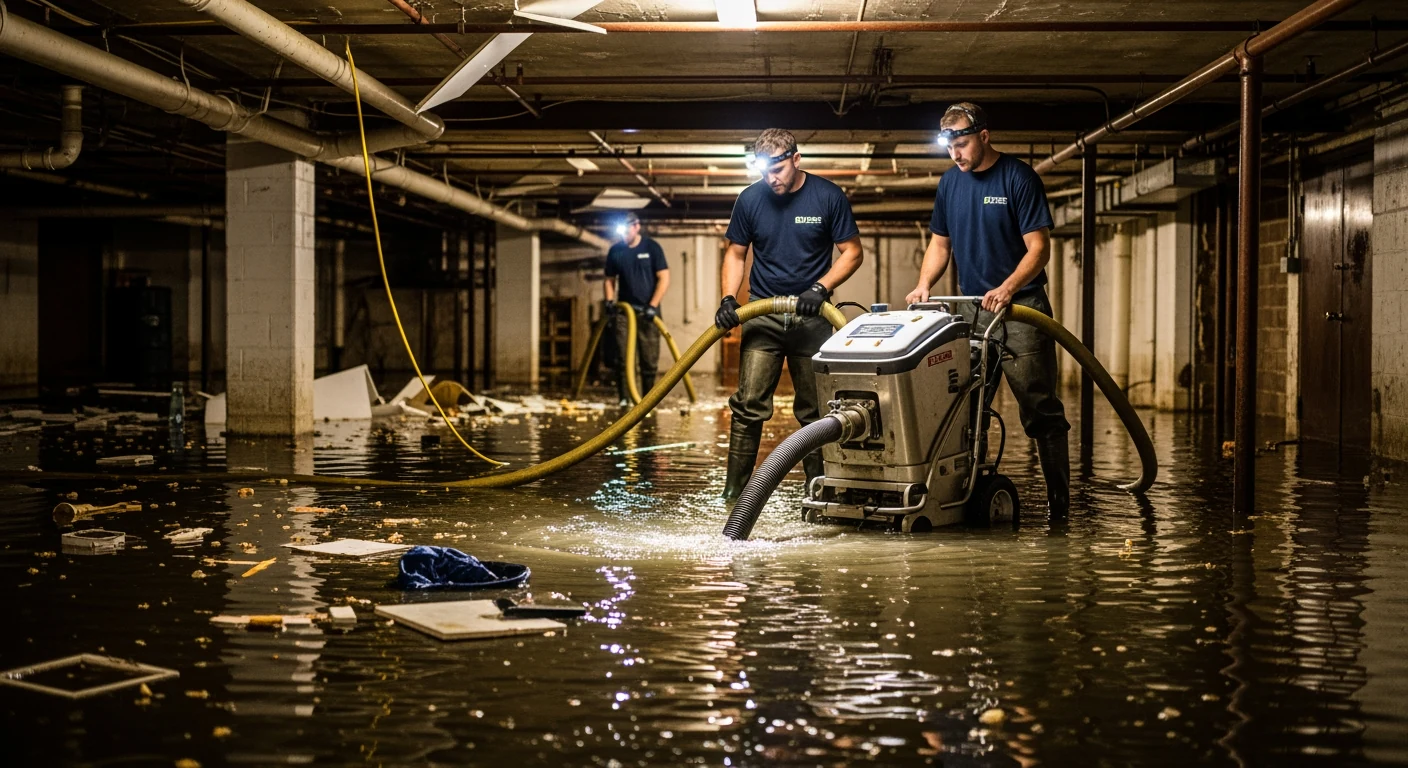
- ☑ Licensed restoration company begins emergency drying — smoke and Water Damage from firefighting efforts starts within hours
- ☑ Request a copy of the fire report from the responding fire department
- ☑ Begin a contents inventory of damaged items for insurance claim — photograph and list everything
- ☑ Do not dispose of any damaged items without adjuster approval — discarding items may void portions of your claim
Smoke Damage: What Most Homeowners Miss
Smoke from a structural fire travels through HVAC systems, wall cavities, and ductwork — often penetrating rooms that had no visible fire damage. In 2026, insurance adjusters increasingly require full HVAC decontamination documentation on any claim involving structural fire. Upper Restoration performs smoke mapping with air quality testing to document the full extent of smoke migration before any remediation begins.