
Asbestos Abatement in the Town of Oyster Bay, NY
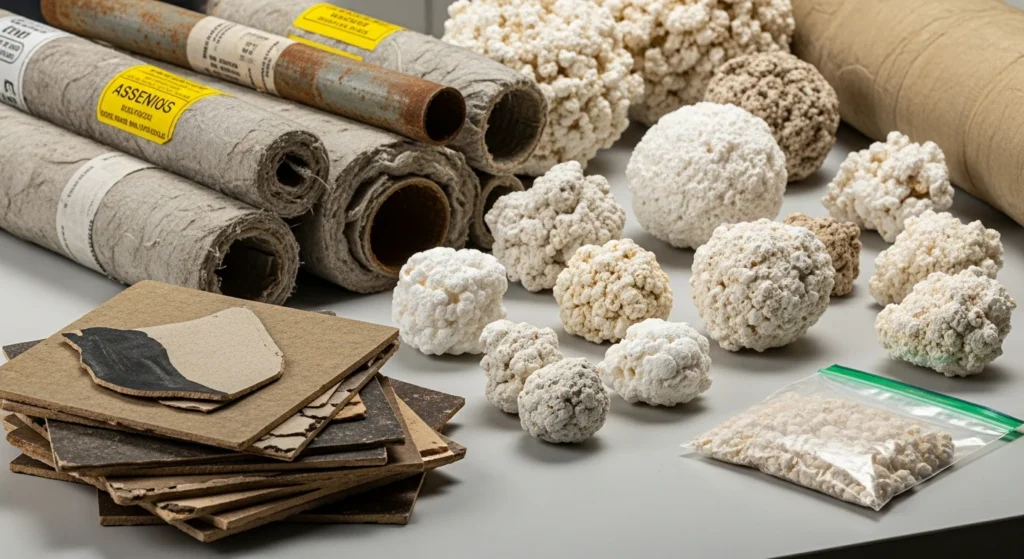
Oyster Bay’s housing stock spans the full asbestos risk era — from pre-war north shore estates with steam pipe chrysotile and vermiculite to the 1950s–1970s south shore and interior Cape Cods and split-levels with floor tile, joint compound, and pipe insulation asbestos — making the township one of Nassau County’s most active asbestos abatement markets.
Asbestos Abatement in the Town of North Hempstead, NY
North Hempstead’s pre-war estate construction extends the asbestos risk profile beyond the standard post-1945 material list — original steam pipe insulation, vermiculite attic insulation, and renovation materials added during mid-century updates — while the interior communities carry the standard Nassau County joint compound and floor tile asbestos burden from 1960s-1970s construction.
Asbestos Abatement in the Town of Hempstead, NY
The Town of Hempstead contains the highest concentration of pre-1960 Cape Cod construction in the United States — Levittown-era homes built with 9-inch vinyl asbestos floor tiles, chrysotile pipe insulation on oil-fired systems, and joint compound applied before the mid-1970s phase-out — making asbestos abatement a routine prerequisite for virtually every renovation and restoration project in the township.
Asbestos Abatement Long Island: The Complete Nassau & Suffolk County Guide
With the majority of Long Island’s Nassau County housing stock built before 1980, asbestos-containing materials are present in most residential structures — pipe insulation, floor tiles, joint compound, and roof underlayment — requiring NYS DEC Code Rule 56 licensed abatement before any renovation or restoration work.
