
Mold Remediation in the Town of Oyster Bay, NY
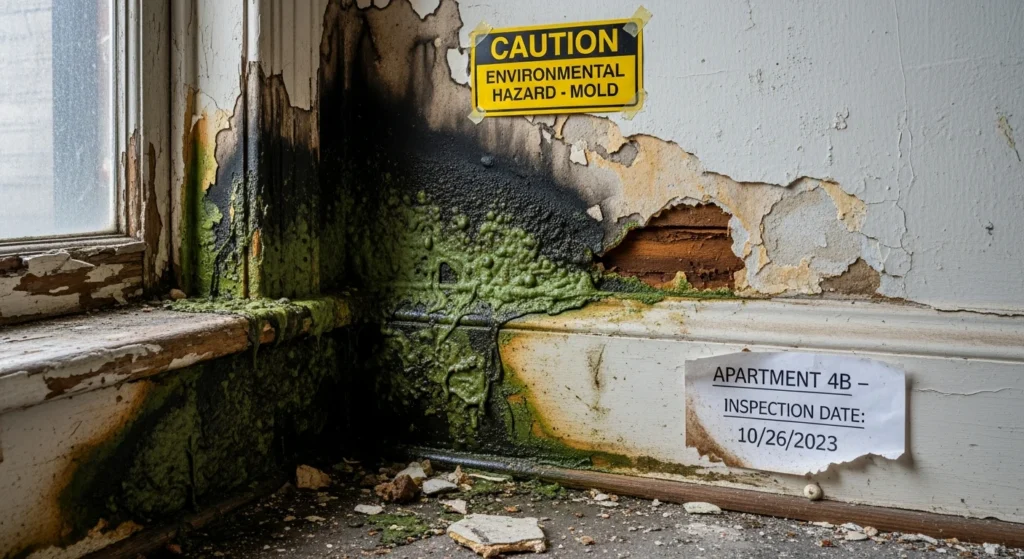
Oyster Bay’s dual-shore span creates two distinct mold risk populations: Massapequa and Seaford’s post-Sandy south shore homes with hidden basement and wall cavity mold from incompletely remediated flood events, and the north shore’s older construction with fieldstone foundation moisture and Sound-shore humidity amplification.
Mold Remediation in the Town of North Hempstead, NY
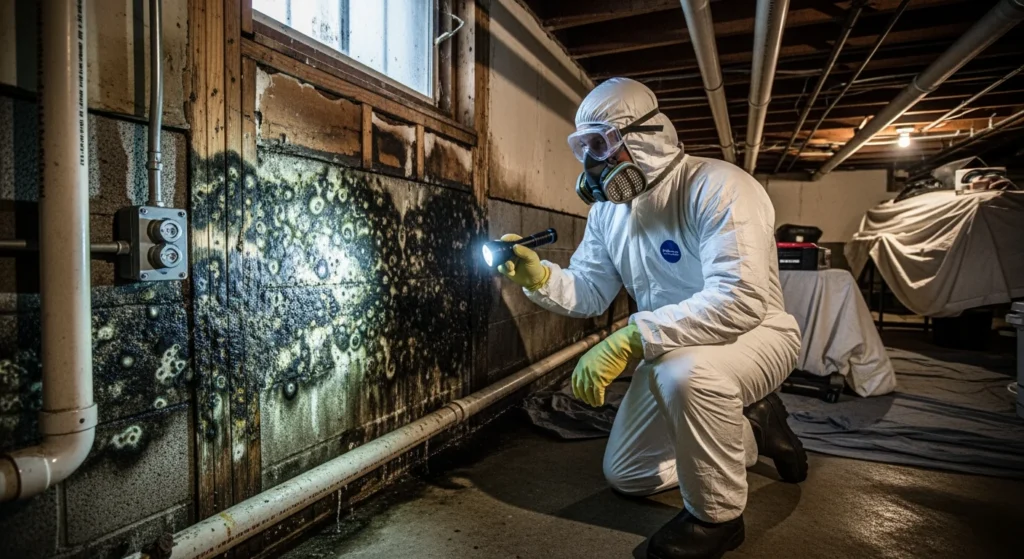
North Hempstead’s mold remediation profile is defined by two distinct building populations: pre-war Gold Coast estates with historic building assemblies that trap moisture differently than modern construction, and post-war interior colonials where aging plumbing and Sound-shore humidity create the standard Long Island mold pattern.
Mold Remediation in the Town of Hempstead, NY
Hempstead’s 65,000 flood-zone homes, the largest concentration of post-Sandy incompletely remediated structures on Long Island, and the highest ambient mold discovery rate in Upper Restoration’s township data make this Nassau County township the epicenter of Long Island’s mold remediation workload.
Mold Remediation Long Island: The Complete Nassau & Suffolk County Guide
Long Island’s combination of aging pre-1980 housing stock, high summer humidity, post-Sandy moisture events, and NYS Article 32 licensing requirements makes mold remediation one of the most regulated and complex restoration services across Nassau and Suffolk Counties.
What Happens If You Don’t Fully Dry a Water-Damaged Wall?
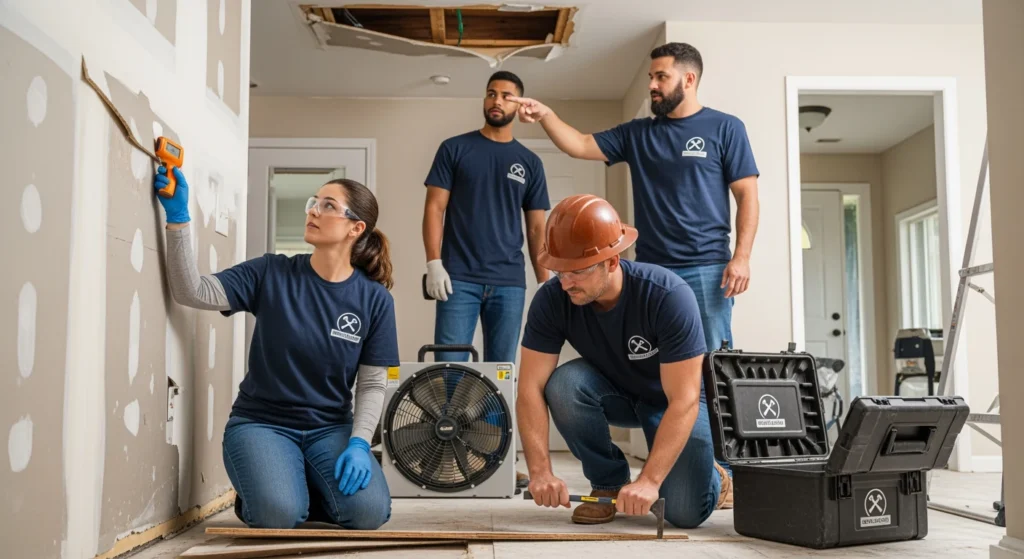
A wall can look dry and still be saturated inside — trapping moisture that breeds mold, warps studs, and creates insurance complications. Learn the 5 consequences of incomplete drying, how to confirm walls are actually dry with instruments, and the IICRC-standard drying process.
9 Mold Questions That Cause Confusion — Straight Answers for NYC Homes
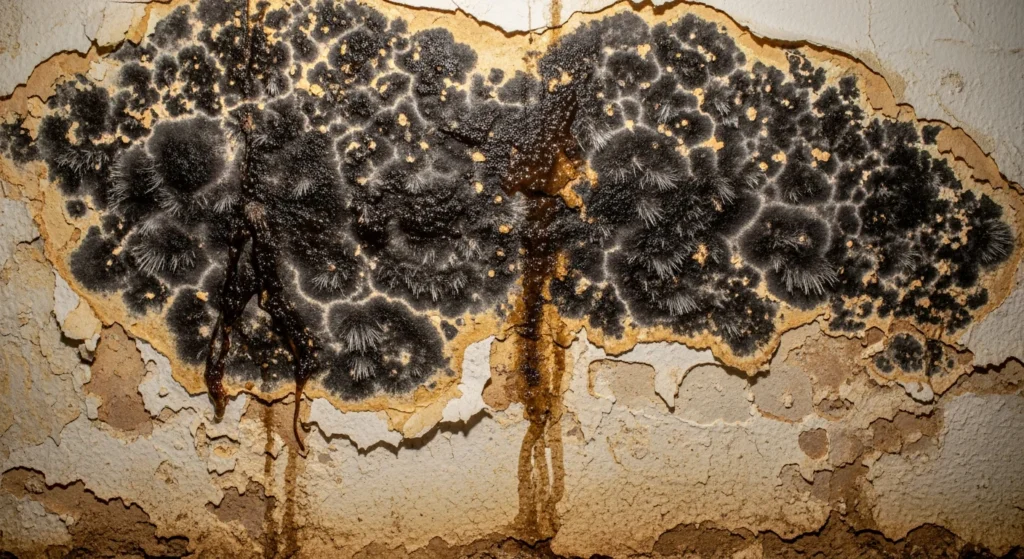
Mold myths are everywhere — but in NYC homes, the risks are real. This FAQ breaks down 9 confusing mold questions with facts, safety tips, and cleaning advice.
