
Storm Damage Restoration in the Town of Oyster Bay, NY
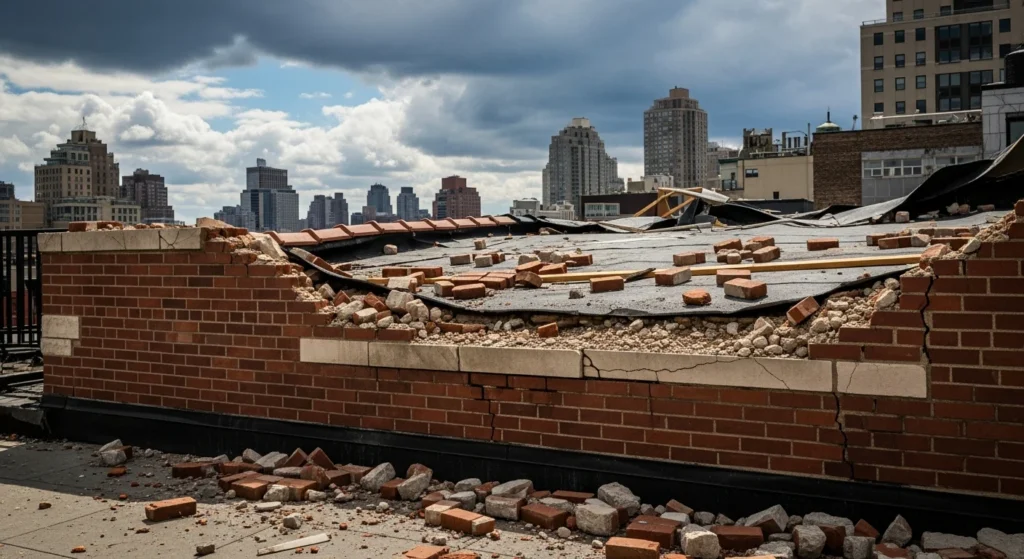
The Town of Oyster Bay’s storm damage restoration profile — shaped by its specific coastal exposure, housing stock vulnerability, and post-storm regulatory requirements — requires township-level knowledge to navigate emergency response, insurance documentation, and FEMA Substantial Damage rules correctly.
Storm Damage Restoration in the Town of North Hempstead, NY
The Town of North Hempstead’s storm damage restoration profile — shaped by its specific coastal exposure, housing stock vulnerability, and post-storm regulatory requirements — requires township-level knowledge to navigate emergency response, insurance documentation, and FEMA Substantial Damage rules correctly.
Storm Damage Restoration in the Town of Hempstead, NY
The Town of Hempstead’s storm damage restoration profile — shaped by its specific coastal exposure, housing stock vulnerability, and post-storm regulatory requirements — requires township-level knowledge to navigate emergency response, insurance documentation, and FEMA Substantial Damage rules correctly.
Fire and Smoke Damage Restoration in the Town of Babylon, NY
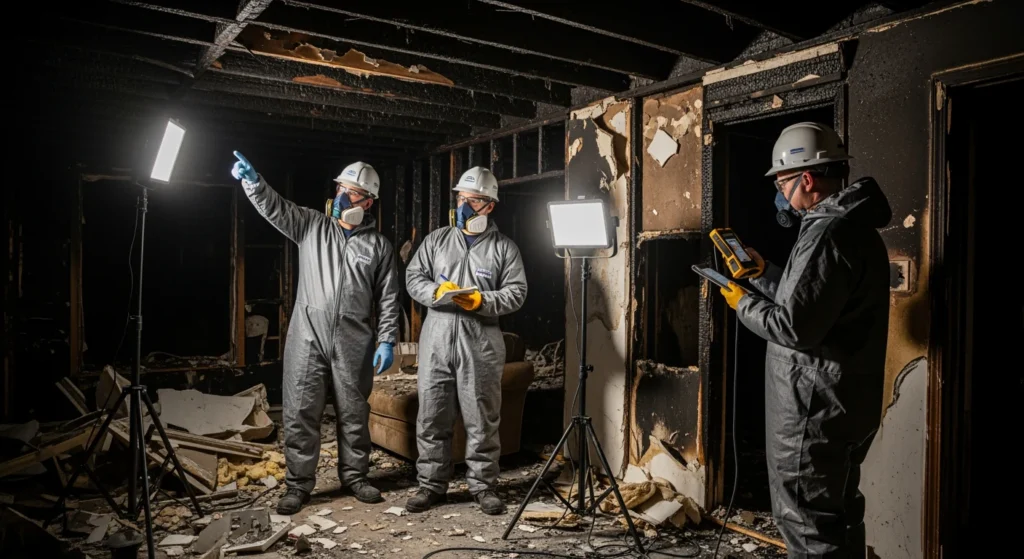
Babylon carries one of the most distinctive fire restoration facts on all of Long Island: during Hurricane Sandy’s October 2012 storm surge, two homes — one in West Babylon, one in Lindenhurst — caught fire while submerged in floodwater and burned continuously until both had to be demolished by payloaders because fire apparatus could not reach them. That compound fire-plus-flood scenario, while extreme, illustrates the unique convergence risks facing Babylon’s south shore.
Water Damage Restoration on Shelter Island, NY
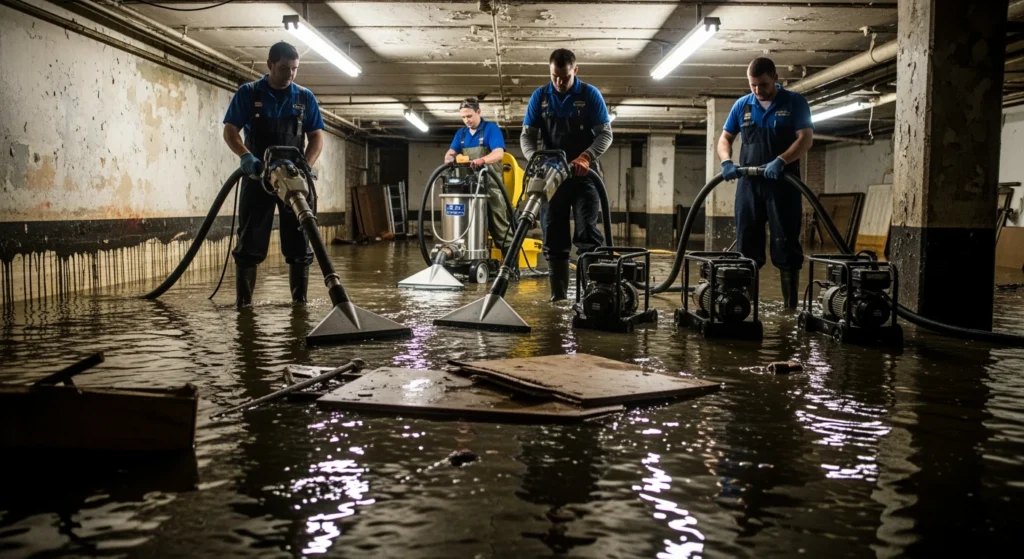
Shelter Island — an island within an island, completely surrounded by the waters of Peconic Bay — presents the most logistically complex water damage restoration scenario on Long Island: every contractor, every piece of equipment, and every material must cross by ferry, and the island’s bi-directional Peconic tidal exposure means storm surge can arrive from multiple compass points simultaneously.
Water Damage Restoration in the Town of Southold, NY
The Town of Southold at Long Island’s North Fork tip faces bidirectional tidal exposure — Long Island Sound to the north and Peconic Estuary to the south — in a township where 22,000 permanent residents share the landscape with tens of thousands of seasonal visitors, and historic village construction from the 17th century coexists with mid-20th-century residential development.
Water Damage Restoration in the Town of Riverhead, NY
Riverhead occupies a unique geographic position at the fork of Long Island — where the North and South Forks diverge at the head of Peconic Bay — creating water damage risk from both the Peconic River watershed flooding and Peconic Bay tidal surge, in a township where agricultural land, rural residential, and suburban development coexist.
Water Damage Restoration in the Town of Southampton, NY
Southampton’s 60-mile Atlantic and Shinnecock Bay coastline, its Westhampton Beach barrier island communities that bore the full force of the 1938 hurricane, and Hampton Bays’ Shinnecock Inlet exposure create a water damage landscape defined by direct coastal storm vulnerability and high-value seasonal construction across the South Fork’s most populated township.
Water Damage Restoration in the Town of East Hampton, NY
The Town of East Hampton faces direct Atlantic hurricane exposure at the eastern tip of Long Island’s South Fork, with high-value seasonal construction that experiences unique water damage risks during vacancy periods — humidity-driven moisture intrusion without climate control, and delayed discovery of water events in homes not regularly occupied.
Water Damage Restoration in the Town of Brookhaven, NY
New York’s largest township by area, Brookhaven’s water damage profile ranges from Mastic Beach and Shirley’s severe south shore Sandy legacy to Coram and Medford’s shallow water table hydrostatic flooding, Patchogue’s river-mouth tidal exposure, and Port Jefferson’s historic Sound shore construction — each community requiring its own restoration approach.
