
The Complete Guide to Property Damage Restoration in NYC and Long Island
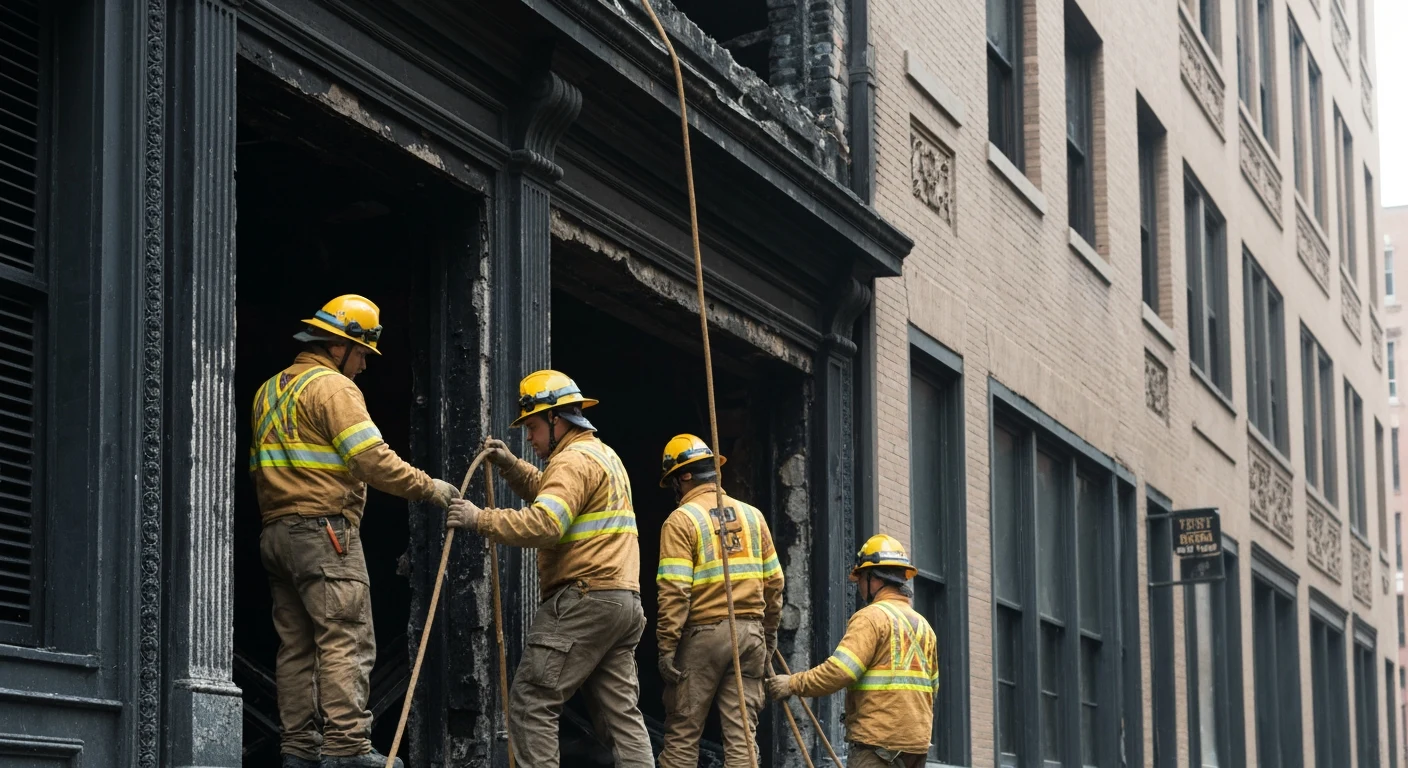
Fire, water, mold, asbestos, wood rot — Upper Restoration covers every property damage category across NYC and Long Island. 24/7 emergency response, licensed teams, full insurance support.
Asbestos in Long Island Popcorn Ceilings: Testing, Removal, and What Renovators Need to Know
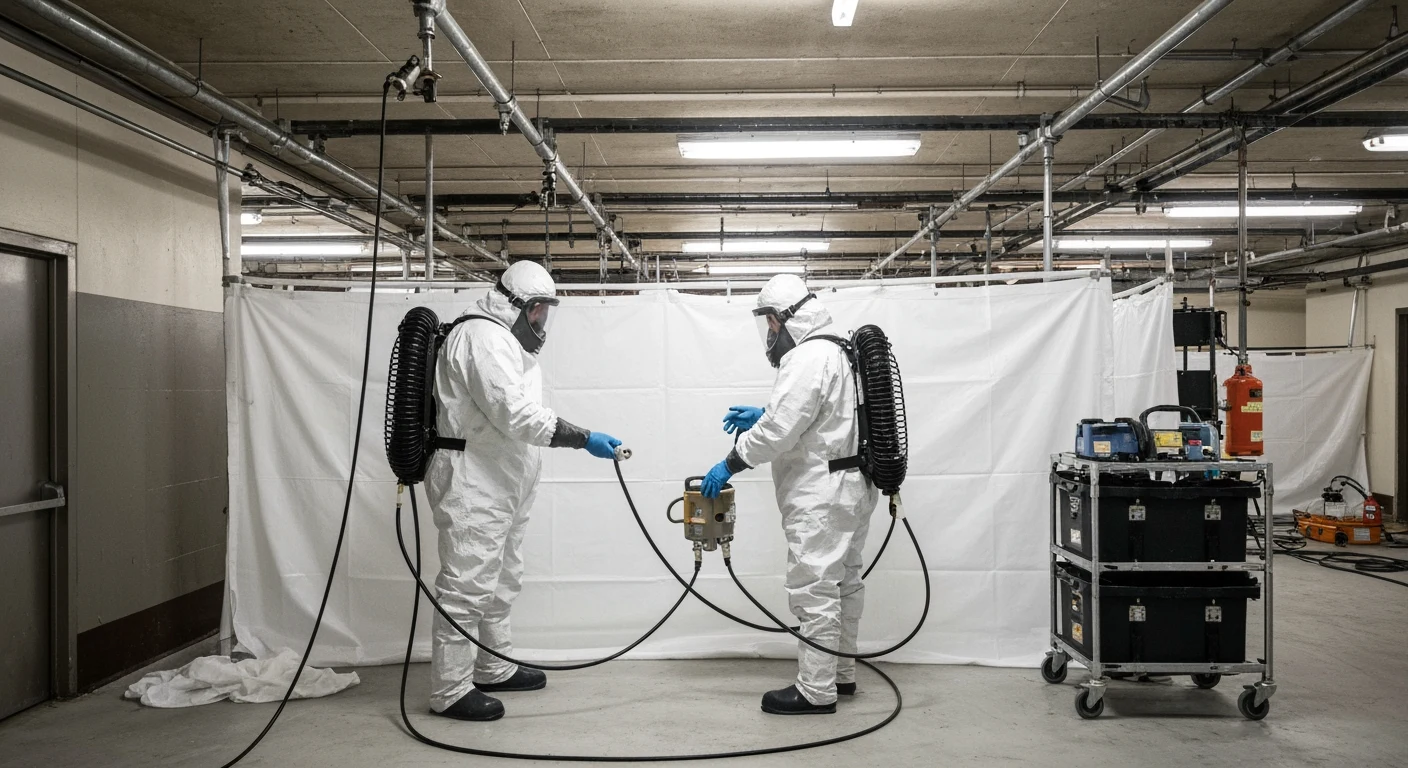
Why Long Island homes with popcorn or textured ceilings installed before 1980 need asbestos testing before renovation, what removal involves, and the costs.
Asbestos Removal Services on Long Island and NYC

Licensed asbestos removal and abatement services for Long Island and NYC properties. Learn the 6-step removal process, cost factors, and New York regulatory requirements.
Before You Renovate in NYC — The Asbestos and Lead Testing Protocol (April 2026)

April renovation season in NYC and Long Island means Rule 56 asbestos surveys and EPA RRP lead compliance before a single wall comes down. Here’s the inspection-to-clearance sequence, what it costs, and what improper removal actually costs.
Visual Asbestos Identification Guide: What Asbestos Looks Like in Long Island and NYC Homes

Photo-based guide to identifying asbestos in ceiling tiles, floor tiles, pipe insulation, siding, grout, and HVAC systems in Long Island and NYC homes. Includes the 9×9 rule, risk profiles by home era, and what to do if you find it.
NYC and NYS Compliance Guide for Mold, Asbestos, and Property Restoration (2026)

Complete compliance hub covering NYC Local Law 55, NYS Mold Law, NYC DEP asbestos permits, and OSHA requirements for property owners and managers on Long Island and NYC.
Buying a Home on Long Island? The Complete Pre-Purchase Asbestos and Mold Testing Guide (2026)

Everything Long Island home buyers need to know about pre-purchase asbestos testing, mold inspection, attic assessments, and how to use environmental testing results in purchase negotiations.
What Does Asbestos Tile Flooring Look Like? Visual Guide for Long Island Homeowners (2026)
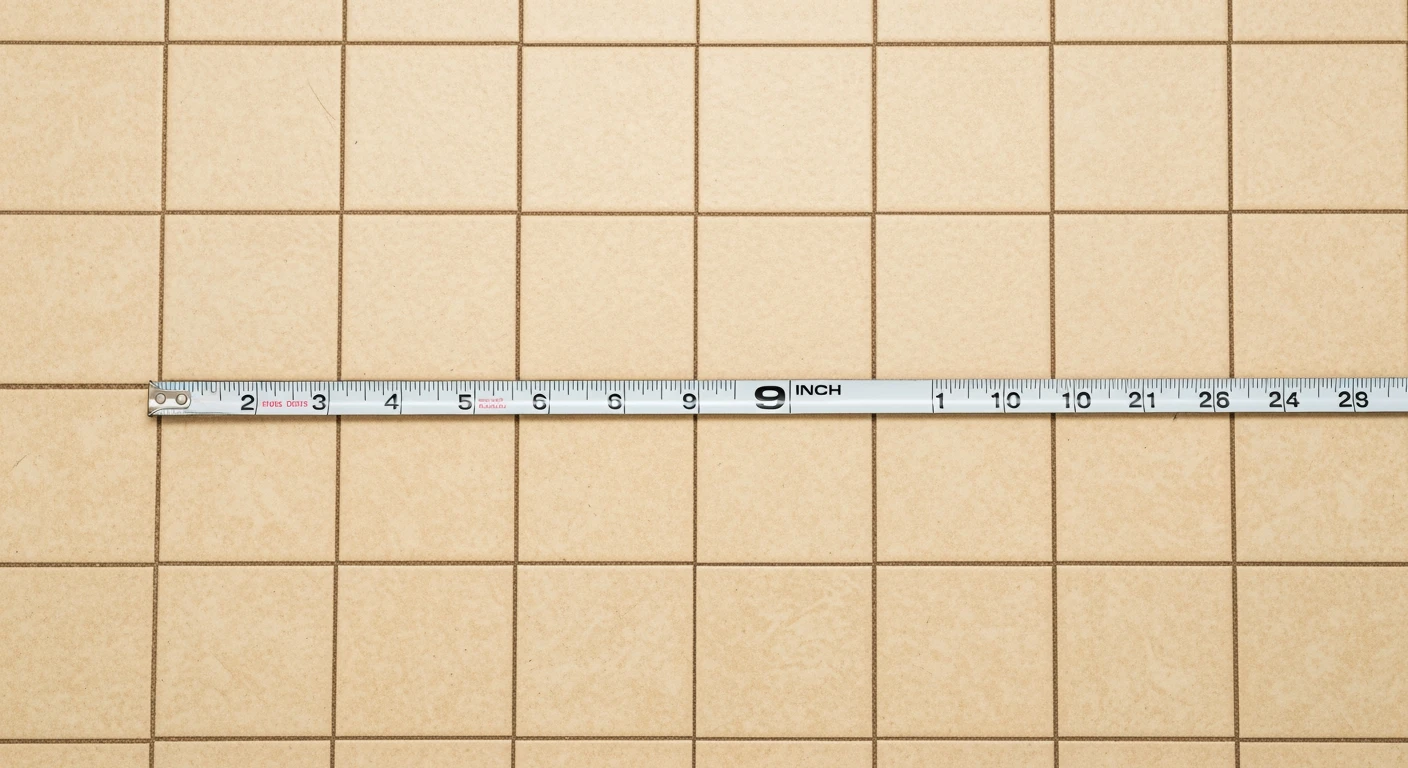
What asbestos tile flooring looks like in Long Island homes — the 9×9 rule, surface texture, black mastic adhesive, colors, and exactly what to do when you find it under carpet or during renovation.
What Does Asbestos Popcorn Ceiling Look Like? Visual Guide for Long Island Homeowners
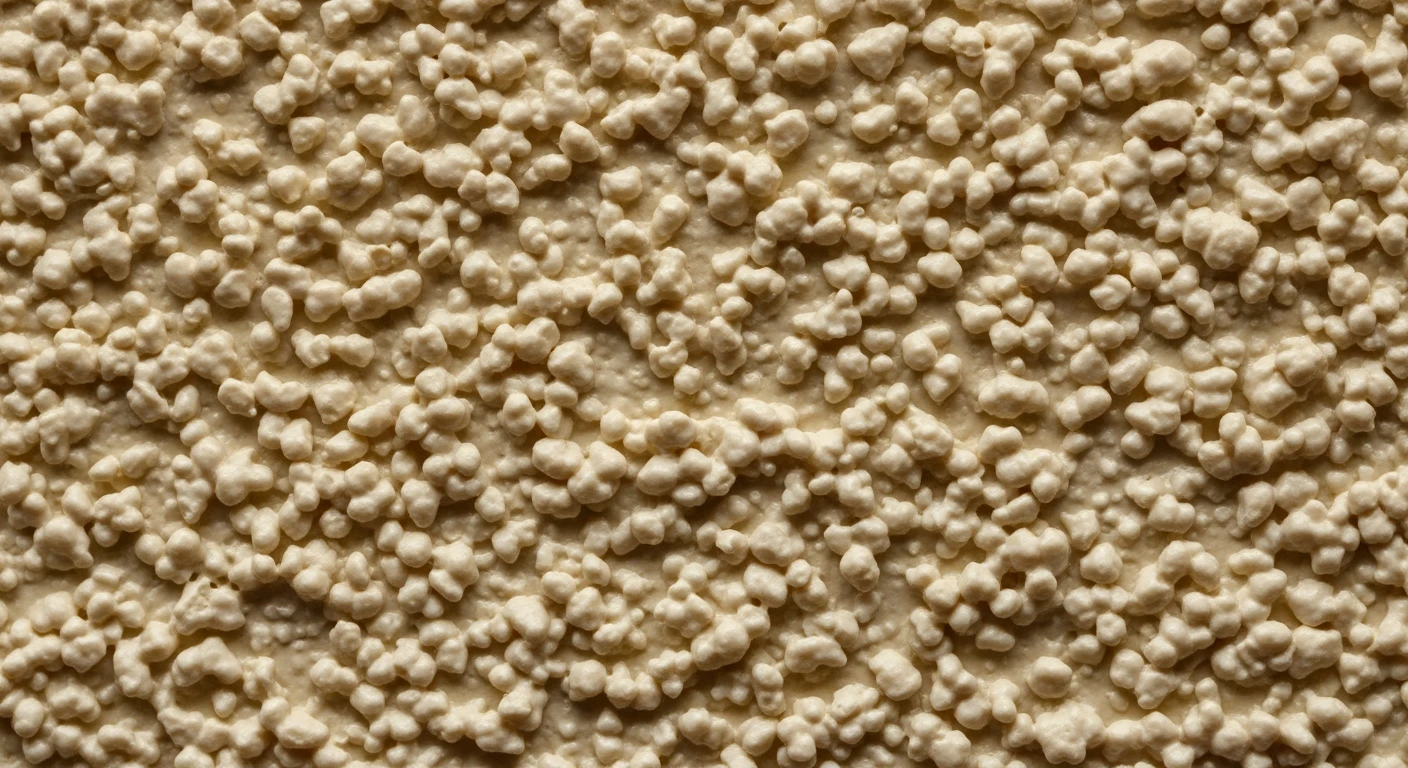
See exactly what asbestos popcorn ceilings look like — from intact texture to water damage to testing and removal results. A visual guide for Long Island homeowners.
What Does Asbestos Look Like in Walls and Drywall? Visual Guide for Long Island Homes
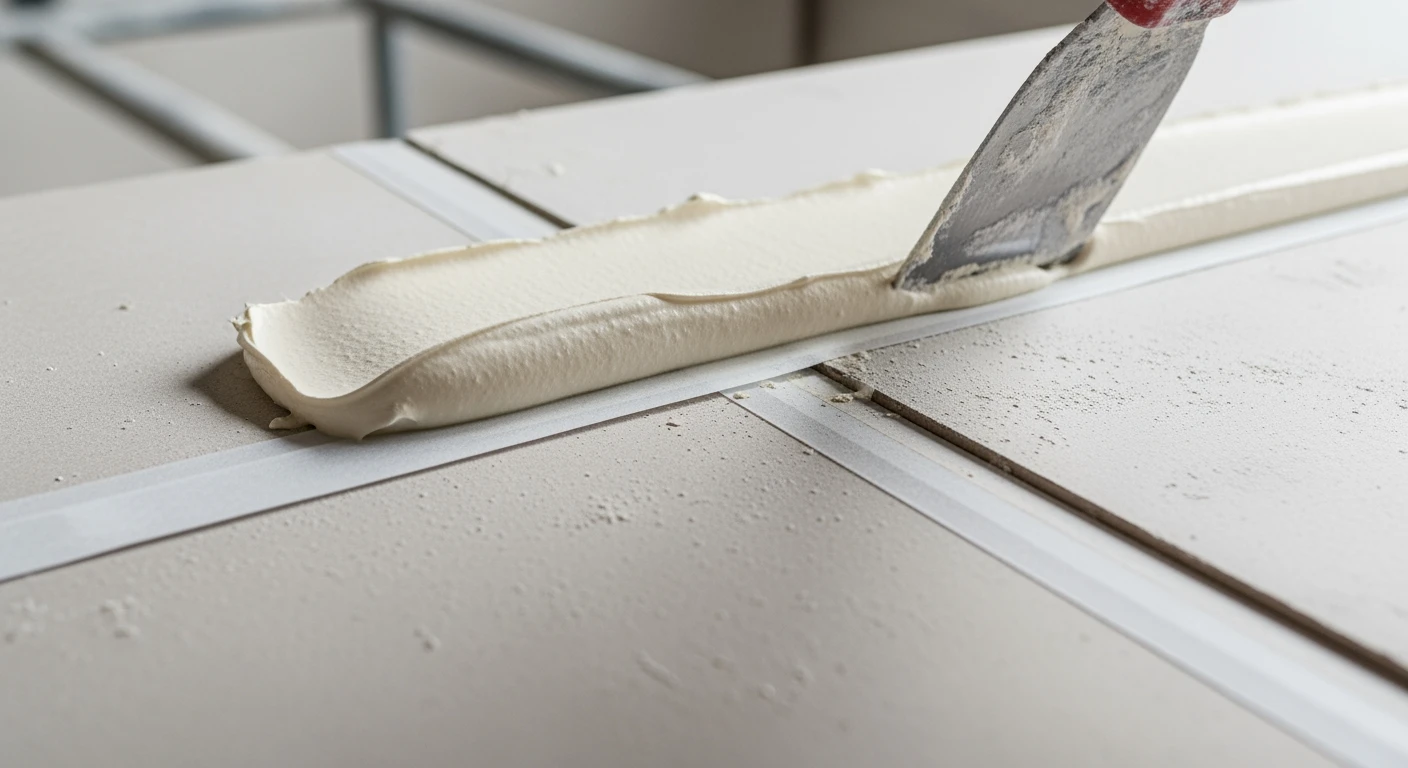
Asbestos hides inside walls in joint compound, textured coatings, plaster, and cavity insulation. See what each form looks like and learn when Long Island homeowners need to test.
