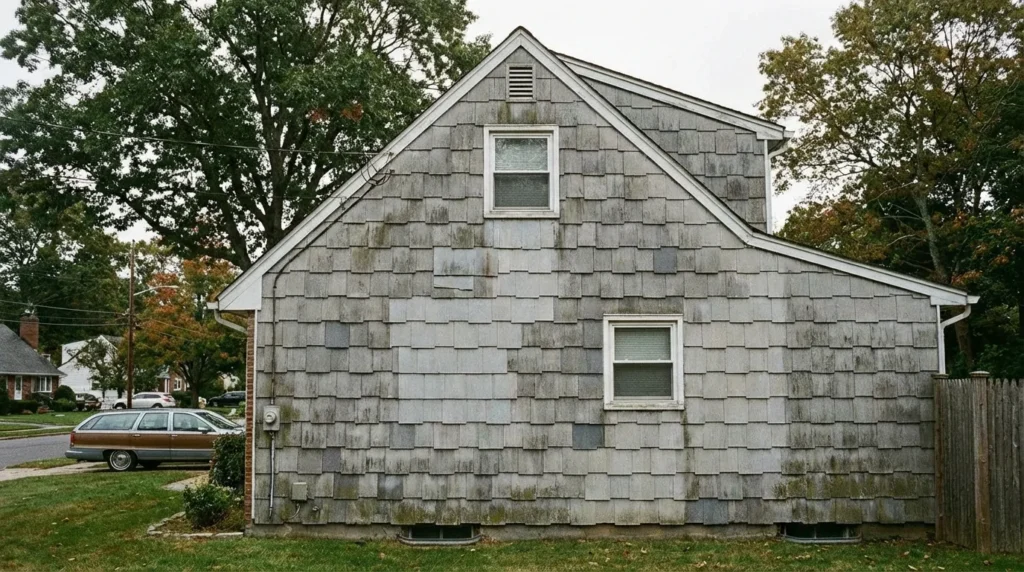
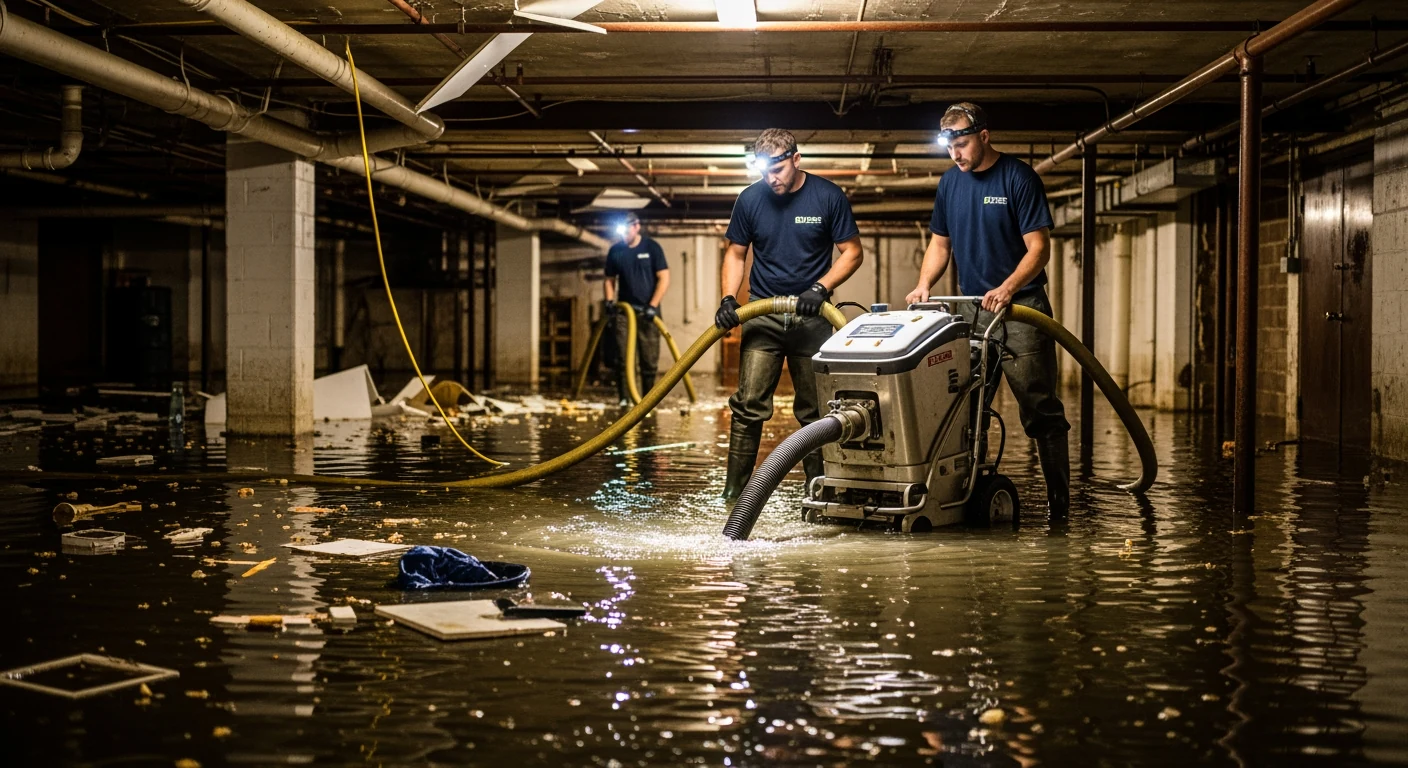
Spring is the highest-stakes maintenance window for NYC and Long Island homeowners. The freeze-thaw cycles of winter stress roofing, flashing, and foundation systems in ways that become visible only after the snow melts. Catching these issues in spring — before the heavy rains of April and May drive water into vulnerable openings — prevents the water damage events that keep restoration companies busy through summer.
Roof and Flashing Inspection
From the ground with binoculars, look for missing or lifted shingles, damaged flashing at chimneys and dormers, and sagging sections that may indicate structural damage. Pay particular attention to valleys where two roof planes meet — these are the most vulnerable locations for ice dam damage that may not be visible from below. Interior attic inspection should include checking the underside of the roof deck for signs of water intrusion: staining, wet insulation, or mold growth that occurred during winter.
Gutter and Downspout Check
Clear gutters of debris from fall and winter. Check for sections that have pulled away from the fascia board, which indicates the gutter hangers have failed. Verify that downspouts are clear and that the discharge point directs water at least six feet from the foundation. Clogged or misdirected gutters are one of the most common causes of basement water intrusion in Nassau County homes — they concentrate water directly against the foundation wall rather than dispersing it away from the structure.
Foundation and Basement Check
Walk the perimeter of the foundation after a significant rain and look for areas of concentrated surface water that pool against the foundation wall. Check window wells for debris and for adequate drainage. In the basement, inspect all walls for new efflorescence (white salt deposits indicating water migration through concrete), cracks that may have widened over winter, and any staining or dampness at the base of walls that was not present in fall.
HVAC and Ventilation
Schedule your annual HVAC maintenance before you start running air conditioning. Confirm that condensate drain lines are clear and properly directed — a clogged condensate line is a frequent cause of secondary water damage in summer. Check that all bathroom exhaust fans are working and venting properly to the exterior (not into the attic). Exhaust fans that have disconnected or that terminate in the attic deposit moisture directly into the space where mold growth is most common.
Frequently Asked Questions
What is the most commonly missed spring maintenance item that leads to expensive repairs?
Gutter maintenance combined with improper downspout termination. Water that enters a gutter system and discharges against the foundation rather than away from it causes slow, cumulative water intrusion that homeowners often attribute to rain rather than to a maintenance issue they can fix for the cost of a downspout extension.