Smoke Damage Repair in NYC & Long Island: Process, Cost & What Actually Works
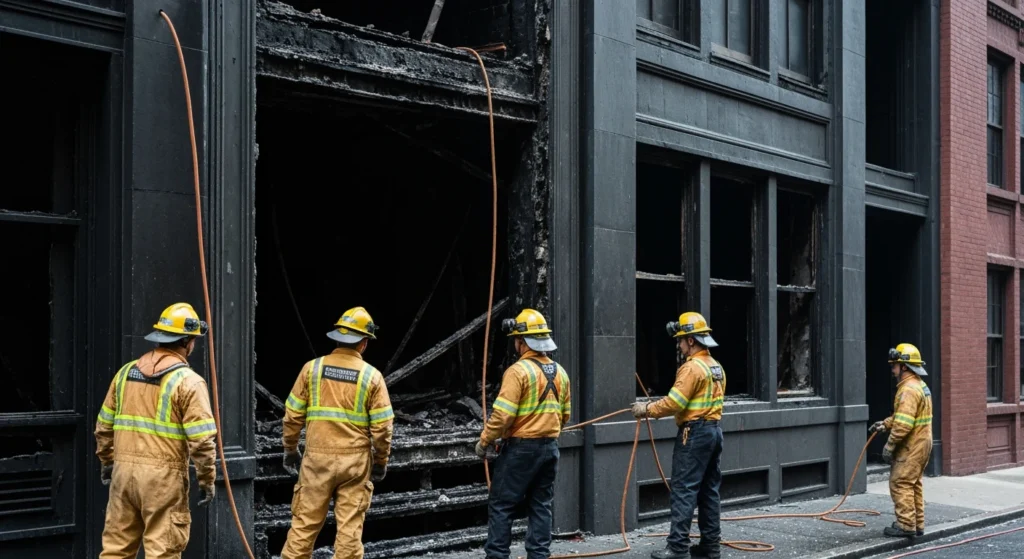
Smoke from a fire travels far beyond where the flames reach. Through HVAC ductwork, wall cavities, and open floor plans, it deposits soot and embeds odor compounds in rooms that never saw fire. In NYC brownstones and pre-war buildings — and in Long Island homes with forced-air heating — smoke can affect an entire structure from a kitchen fire that never left the stove.
This guide covers exactly what professional smoke damage repair involves, why soot type determines everything, what it costs in 2026, and what separates a permanent fix from a job that still smells like smoke six months later.
Why Smoke Damage Is More Complex Than It Looks
Visible soot on walls and ceilings is only the surface of the problem. Smoke is a suspension of fine particles, gases, and volatile organic compounds (VOCs) that penetrates porous materials and continues off-gassing long after the fire is out. Two things make smoke remediation technically demanding:
1. Soot type determines cleaning chemistry. The IICRC S700 Standard classifies smoke residues into four types — dry smoke, wet smoke, protein smoke, and fuel oil smoke — each requiring completely different cleaning agents and methods. Applying wet cleaning to dry soot pushes residue deeper into surfaces. Using the wrong degreaser on protein smoke (the nearly invisible film from kitchen fires) fails to break down odor compounds. Incorrect chemistry is the primary reason homeowners call a second company after a “completed” remediation still smells like smoke.
2. Odor is molecular, not surface-level. After surfaces are cleaned, smoke odor compounds remain embedded in porous materials — wood framing, drywall paper, insulation, soft furnishings. Cleaning alone cannot reach them. Professional odor elimination requires specific equipment (thermal foggers, hydroxyl generators, ozone treatment) that neutralizes odor compounds at a molecular level rather than masking them.
The Four Types of Smoke Residue and How Each Is Treated
| Smoke Type | Source | Appearance | Correct Treatment |
|---|---|---|---|
| Dry smoke | Fast-burning, high-heat fires (paper, wood) | Dry, powdery, grey | Dry chemical sponge first, then appropriate wet solution |
| Wet smoke | Slow-burning, low-heat fires (rubber, plastic, synthetics) | Smeary, sticky, strong odor | Alkaline degreasers, aggressive wet cleaning |
| Protein smoke | Kitchen fires, food burning | Nearly invisible film, extreme odor | Enzyme-based cleaners, specialized deodorization |
| Fuel oil smoke | Furnace puffback, oil burner malfunction | Black, oily, penetrating | Petroleum-based degreasers, HEPA filtration, full duct cleaning |
Most residential fires involve multiple smoke types simultaneously — a kitchen fire that started on the stove and spread to synthetic cabinet materials produces both protein smoke and wet smoke. Professional assessment identifies all soot types present before any cleaning begins.
The Smoke Damage Repair Process: Stage by Stage
Stage 1: Assessment and Scope Development
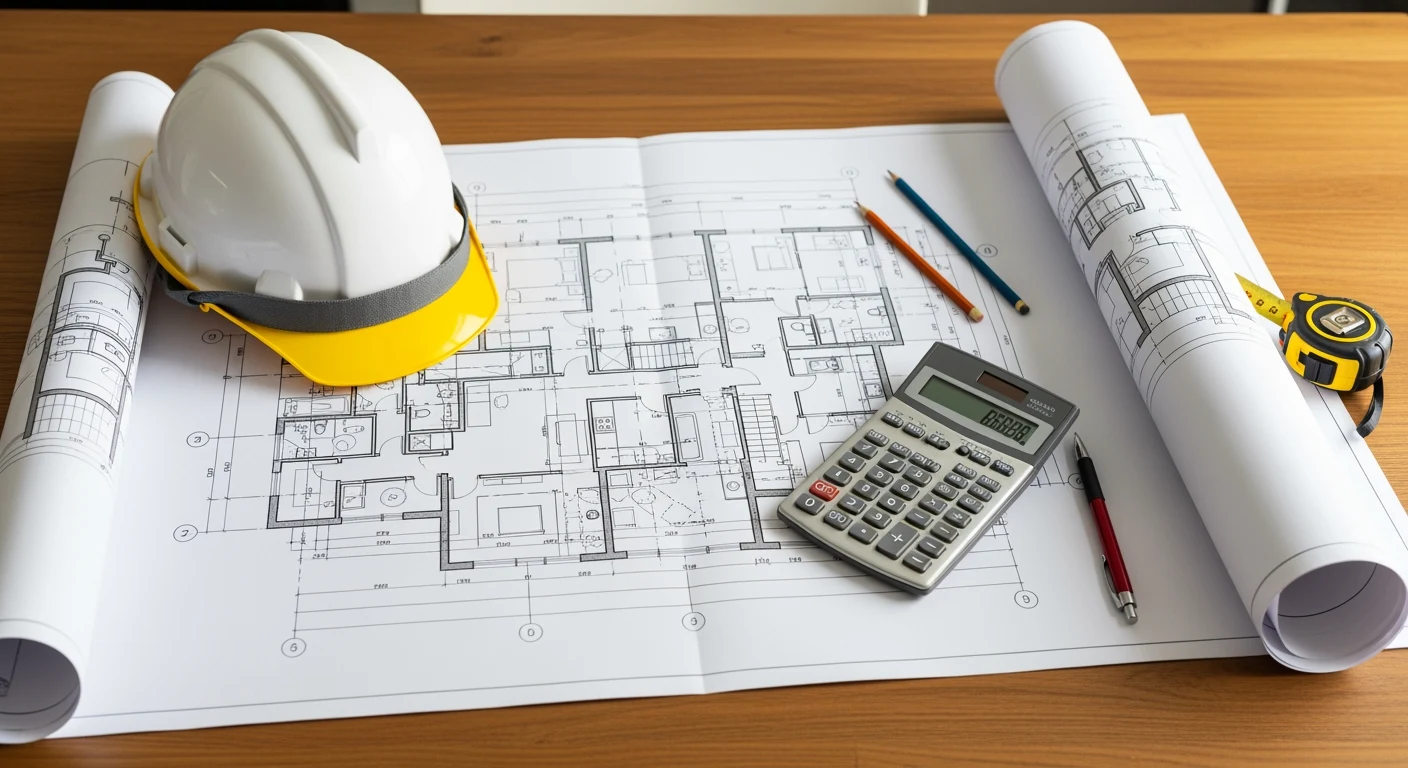
Before any cleaning, a certified technician maps the full extent of smoke travel — including rooms with no visible soot, HVAC system components, and hidden cavities where smoke deposits accumulate. In NYC buildings, this includes shared ductwork that may have distributed smoke to other units. This assessment determines the full scope of work and drives the Xactimate estimate submitted to your insurance company.
Stage 2: HEPA Vacuuming and Dry Cleaning
The first cleaning pass uses dry chemical sponges and HEPA-filtered vacuums to remove loose soot without embedding it further. This step is non-negotiable — applying any liquid cleaning solution before dry cleaning pushes dry soot particles into porous surfaces permanently. Every professional smoke job starts dry.
Stage 3: Surface Cleaning by Material and Soot Type
Wet cleaning follows using the appropriate chemistry for each soot type identified. Different surfaces require different approaches:
- Painted drywall and plaster: Matched cleaning solution by soot type, wiped in overlapping strokes to avoid streaking
- Wood surfaces, trim, and cabinetry: Cleaning solution matched to wood finish; aggressive cleaning of bare wood where soot has penetrated grain
- Concrete and masonry: Wire brushing, chemical treatment, abrasive methods for severe soot penetration
- Metal surfaces: Immediate priority — smoke residue causes rapid corrosion on uncoated metal. Appliances, fixtures, and hardware cleaned and coated within 24–48 hours of assessment
Stage 4: HVAC System Cleaning
Every supply duct, return duct, air handler, coil, and register is cleaned or replaced. This step is critical and frequently skipped by contractors who underestimate how far smoke travels through forced-air systems. In NYC pre-war buildings with radiator heat, this step is simplified — but in Long Island homes with central HVAC, a contaminated duct system will redistribute smoke odor throughout the house every time the system runs. A cleaned home with a dirty HVAC system is not a cleaned home.
Stage 5: Odor-Blocking Sealer Application
All smoke-affected surfaces — whether visibly sooted or not — are sealed with a shellac-based odor-blocking primer before any repainting. This is the step most frequently skipped by general contractors attempting smoke repairs, and the reason their work fails. Latex paint is porous and does not block smoke odor molecules. Within weeks of repainting without sealing, odor bleeds through new paint. Shellac-based primer locks odor compounds at the surface so they cannot migrate through finish coats.
Stage 6: Molecular Odor Elimination
After surfaces are cleaned and sealed, dedicated odor elimination equipment treats the air and penetrates porous materials beyond what cleaning reaches:
- Thermal fogging: Heats a deodorizing solution to create a penetrating fog that follows the same pathways smoke traveled. Most effective on wood smoke and protein smoke.
- Hydroxyl generation: Produces hydroxyl radicals that oxidize and neutralize odor compounds throughout the space. Safe to operate with occupants present. Broad-spectrum effectiveness across soot types.
- Ozone treatment: The most powerful option for severe cases — requires full evacuation and airing-out before re-entry. Used as a final pass on extreme odor situations after fogging and hydroxyl treatment.
Stage 7: Post-Remediation Clearance
Air quality testing confirms smoke particulates and VOC levels have returned to acceptable thresholds before occupancy. This step generates the clearance certificate that closes the insurance claim and documents that the property is safe for re-entry.
Smoke Damage Repair Cost in NYC & Long Island: 2026 Pricing
| Scope | Cost Range | Notes |
|---|---|---|
| Single room (kitchen fire, contained) | $3,000–$6,000 | Protein smoke requires more intensive treatment |
| Multi-room (smoke spread through HVAC) | $6,000–$15,000 | Full duct cleaning adds $1,500–$4,000 |
| Full structure (fire with whole-home smoke) | $15,000–$30,000 | Concurrent with fire restoration scope |
| Furnace puffback (fuel oil smoke) | $4,000–$12,000 | Often underestimated — oil soot penetrates deeply |
| Content cleaning (pack-out) | $1,500–$8,000 | Separate from structural cleaning scope |
NYC jobs run 25–40% above national averages due to labor rates, building access complexity, and licensed trade requirements. Long Island jobs track 15–20% above national averages. These figures reflect remediation only — reconstruction (repainting, flooring replacement, cabinet replacement) is a separate scope billed after clearance.
A Note on Puffback Damage
Furnace puffback — when an oil burner misfires and blasts soot through the heating system — is one of the most common smoke damage calls on Long Island, where oil heat remains widespread. Puffback soot is oily, penetrating, and distributes through every duct register in the home within seconds. It looks like a fine black coating on walls, ceilings, furniture, and clothing. Despite looking less dramatic than fire soot, puffback jobs frequently run $6,000–$12,000 because of the whole-home distribution and the difficulty of cleaning oil-based residue from soft furnishings and clothing. Most homeowners insurance policies cover puffback — file immediately.
Does Insurance Cover Smoke Damage Repair?
Yes — smoke damage from a fire or puffback event is a covered peril under standard HO-3 homeowners insurance policies. The scope typically includes:
- Structural cleaning (walls, ceilings, floors, HVAC)
- Content cleaning and pack-out
- Odor elimination treatment
- Repainting after sealing
- Additional Living Expenses (ALE) if the home is uninhabitable during remediation
What coverage does not include: the cause of the fire or puffback itself (the oil burner, the appliance that sparked). The remediation scope is covered; the equipment failure is not.
Upper Restoration provides complete Xactimate documentation for smoke damage claims. We work directly with your adjuster, provide daily progress reports, and ensure drying logs and clearance certificates are on file before your claim closes. Learn more about how Upper Restoration works with insurance adjusters.
NYC and Long Island Specific Considerations
Pre-War NYC Buildings and Asbestos
In any NYC building constructed before 1980 — and on Long Island in homes built before 1978 — smoke damage repair that involves disturbing building materials (plaster, floor tiles, ceiling tiles, pipe insulation) requires asbestos testing before work begins. This is a New York City DEP requirement and a best practice statewide. Upper Restoration coordinates pre-remediation asbestos surveys as part of the project scope in older buildings. For more on this, see our guide on asbestos in ceiling tiles.
Multi-Unit Buildings
In NYC co-ops, condos, and multi-family buildings, smoke from one unit commonly migrates to adjacent units through shared walls, corridors, and building HVAC systems. Coordination with building management, the board, and neighboring tenants is part of the job. Upper Restoration has experience managing multi-unit smoke remediation projects with proper notification, containment, and documentation for each affected space.
Smoke Damage After a Fire in a Connected Structure
Row houses, attached garages, and semi-detached Long Island homes frequently sustain smoke damage from fires in adjacent structures — even when the fire never crossed the property line. This is a covered loss under your homeowners policy even if your home never caught fire. Document the timeline and source carefully; your insurer will require the fire department report from the neighboring property.
Smoke Damage Repair: Frequently Asked Questions
How much does smoke damage repair cost?
Smoke damage repair in NYC and Long Island costs $3,000–$6,000 for a single-room kitchen fire, $6,000–$15,000 for multi-room smoke spread through HVAC systems, and $15,000–$30,000 for whole-structure smoke remediation concurrent with fire damage. Furnace puffback jobs typically cost $4,000–$12,000 depending on whole-home distribution.
Can smoke damage be fully repaired?
Yes — when the correct process is followed. The key requirements are: cleaning chemistry matched to the specific soot type, HVAC system cleaning, odor-blocking sealer on all affected surfaces before repainting, and molecular odor elimination treatment. Jobs that fail long-term almost always skipped at least one of these steps.
How long does smoke damage repair take?
Single-room smoke jobs take 3–7 days. Multi-room jobs with HVAC cleaning take 1–2 weeks. Full-structure smoke remediation concurrent with fire restoration takes 3–8 weeks. Reconstruction (repainting, flooring) adds additional time after clearance testing is complete.
Does homeowners insurance cover smoke damage?
Yes. Smoke damage from fire or puffback is a covered peril under standard HO-3 policies. Coverage includes structural cleaning, content cleaning, odor elimination, and Additional Living Expenses if the home is temporarily uninhabitable. File the claim immediately — delays can complicate documentation and coverage.
Why does my house still smell like smoke after cleaning?
Three reasons: the soot type wasn’t correctly identified and the wrong cleaning chemistry was used; surfaces were repainted without shellac-based odor-blocking sealer first; or the HVAC system wasn’t cleaned and continues to distribute residual odor. All three are correctable with proper remediation.
What is a furnace puffback and does insurance cover it?
A furnace puffback occurs when an oil burner misfires and blasts soot through the heating system, coating the entire home in oily black residue. It’s common in Long Island homes with oil heat. Most homeowners insurance policies cover puffback as a sudden and accidental event — file immediately and call a restoration contractor before attempting any cleanup.
Do I need to vacate during smoke damage repair?
For major smoke remediation — particularly when ozone treatment is used — full evacuation is required. For smaller jobs using hydroxyl generators, the home may be occupiable during treatment. Your restoration contractor will advise based on the specific scope. If evacuation is required, your insurer’s Additional Living Expenses coverage pays for temporary housing.
What certifications should a smoke damage contractor have?
IICRC Fire and Smoke Restoration Technician (FSRT) certification is the primary credential. For jobs involving mold (common when smoke remediation is delayed), the contractor needs a NYS Article 32 mold remediation license. For NYC pre-war buildings, coordination with a licensed asbestos contractor may be required before disturbing building materials.
See also: Fire Damage Restoration Cost Guide