Why a Sewage Backup Is a Biohazard Emergency, Not Just Water Damage
A sewage backup is a biohazard exposure event, not a plumbing inconvenience. Raw sewage carries bacteria, viruses, and parasites capable of causing illness within hours. The Centers for Disease Control and Prevention classifies wastewater exposure as an occupational health hazard, which is why the response in the first hour matters as much as the cleanup that follows.
A burst pipe leaks clean or gray water. A sewage backup leaks water that has been in contact with human waste, and everything that travels with it. That distinction changes the entire response. Water damage is a property problem you can dry out and repair on your own timeline. A sewage event is a health problem with a clock running the moment it hits your floor.
| Burst Pipe / Clean Water Leak | Sewage Backup (Category 3) | |
|---|---|---|
| Water source | Clean supply line or gray appliance water | Contact with human waste and wastewater |
| Health risk | Low, mostly mold risk if left wet | Bacterial, viral, and parasitic exposure |
| Affected materials | Often dryable and salvageable | Porous materials usually require removal |
| Response timeline | Hours to days, manageable pace | Immediate; exposure clock starts on contact |
| Who should handle it | DIY drying often acceptable | Licensed remediation professional required |
The CDC’s Category 3 water classification, the industry term for sewage-contaminated water, exists for a reason. It’s grossly contaminated water that can contain pathogenic, toxigenic, or other harmful agents. Once it touches drywall, carpet, subflooring, or upholstery, those materials often can’t be sanitized back to safe. They have to be removed. That’s a different job than mopping up a leak, and it requires different equipment, different protective gear, and different training than most homeowners or building staff have on hand.
We treat sewage backups with the same seriousness we bring to mold colonization or asbestos disturbance: contain the hazard first, assess exposure risk second, remediate third. Skipping straight to cleanup, without understanding what’s actually in the water and who’s been exposed to it, is how a bad afternoon turns into a lingering health problem.
What’s Actually in Sewage: Pathogens, Gases, and Hidden Dangers
Sewage contains enteric bacteria (E. coli), viruses (norovirus, hepatitis A), and parasites (Giardia, Cryptosporidium), along with fungi and, in enclosed spaces, hazardous gases like hydrogen sulfide and methane. Exposure happens through ingestion, inhalation of aerosolized particles, or contact with broken skin or mucous membranes, according to CDC/NIOSH.
The organisms in sewage aren’t exotic. They’re the same pathogens behind common foodborne and waterborne illness, just concentrated and airborne in ways they normally aren’t. NIOSH’s guidance on biological hazards in sewage and wastewater treatment lists three transmission routes that matter for anyone standing in a flooded basement: swallowing contaminated water or splash, breathing in aerosolized mist kicked up by a running sump pump or wet vacuum, and contact through cuts, scrapes, or mucous membranes like the eyes and nose.
That last route is the one people underestimate. You don’t need to drink sewage water to get sick from it. A small cut on your hand, a rubbed eye, or even standing too close to a running pump that’s misting contaminated water into the air can be enough.
Gas hazard alert: Sewage backups in enclosed spaces, basements especially, can generate hydrogen sulfide and methane gas. Hydrogen sulfide at high concentrations is toxic, and methane is flammable. A strong rotten-egg smell combined with stuffy or thick-feeling air means you’re dealing with a ventilation and gas-exposure issue on top of the pathogen issue. Leave the space and ventilate from a safe distance if possible.
One myth worth retiring here: NIOSH is explicit that HIV transmission through wastewater exposure is virtually nonexistent. The virus doesn’t survive well outside the body and isn’t a realistic concern in a sewage backup. The real risks are bacterial and viral gastrointestinal illness, plus respiratory irritation from mold and gas exposure, not bloodborne disease.
Who’s Most at Risk: Vulnerable Groups and Warning Symptoms
Infants, young children, pregnant individuals, older adults, and anyone immunocompromised face higher risk of serious illness from sewage exposure. Watch for gastrointestinal symptoms (nausea, vomiting, diarrhea, cramping), fever, respiratory irritation, or skin infection at a wound site. Symptoms can appear within hours to a few days of exposure.
Higher risk due to developing immune systems and hand-to-mouth contact. Keep out of affected areas entirely.
Elevated risk from certain bacterial and viral illnesses. Avoid any contact with contaminated areas.
Higher risk of severe illness from dehydration-related complications of GI infection.
Highest risk group. Chemotherapy patients, transplant recipients, and others with weakened immunity should be relocated until the space is professionally cleared.
Age and immune status change the math on risk. A healthy adult who briefly steps in contaminated water and washes up promptly faces a low but real risk. A toddler crawling near the same water, an elderly parent with diabetes, or a tenant undergoing chemotherapy faces a materially higher one. If any of those groups are in the building, that alone should move your timeline from “deal with it after work” to “get everyone out of the affected area now.”
Watch for gastrointestinal symptoms in the days following exposure: nausea, vomiting, diarrhea, and abdominal cramping are the most common signs of bacterial or viral infection from contaminated water. Fever, headache, and fatigue can follow. Skin contact with an open cut or sore can lead to localized infection, redness, and swelling at the site. Respiratory symptoms, coughing, wheezing, sinus irritation, tend to show up when mold growth or aerosolized particles were part of the exposure rather than direct contact alone.
None of this is meant to alarm you into panic. It’s meant to give you a specific reason to keep people, especially kids and older relatives, away from the affected area until it’s been professionally assessed. If anyone in the affected building develops these symptoms after a backup, that’s a conversation for a medical provider, not a symptom checklist online. This article is informational, not medical advice.
The First Hour: Immediate Steps to Take Before Help Arrives
In the first hour after discovering a sewage backup: stop using water in the building, evacuate the affected area, keep children and pets away, avoid contact with the water, ventilate if safe to do so, and turn off HVAC systems serving the space. Then contact a licensed remediation professional rather than attempting cleanup yourself.
These steps aren’t in order by accident. Each one closes off a specific exposure route.
- Stop running water anywhere in the building. If the backup is caused by a blockage or sewer line failure, every toilet flush or dishwasher cycle adds volume to a problem that’s already overflowing. Stop first, diagnose later.
- Get people and pets out of the affected area. Not just away from standing water, out of the room or floor entirely. Aerosolized particles travel further than the puddle does.
- Do not touch or wade into the water. If you must cross it to evacuate someone, use waterproof boots and avoid direct skin contact.
- Turn off the HVAC system if it services the affected space. A running air handler can pull contaminated air into ductwork and distribute it to other rooms or floors.
- Ventilate if it’s safe to open a window or door without wading through contaminated water to reach one. Fresh air reduces gas buildup while you wait for help.
- Photograph the damage for insurance purposes before anything is touched or removed, if you can do so from a safe distance without entering the contaminated area.
- Call a licensed sewage remediation company. Not a general handyman, not a standard carpet cleaner. This is a specific hazard mitigation is trained for.
Quick reference: Stop water use, evacuate the area, keep the water off your skin, kill the HVAC, crack a window if it’s safe, snap a few photos from a distance, then call a licensed professional. That order matters more than speed.
None of these steps require special equipment. They require moving fast and resisting the urge to start cleaning before the space has been properly assessed.
Dealing with a sewage backup right now? Get a same-day assessment before you touch anything.
Common Mistakes That Increase Health Risk During Cleanup
The most common mistakes during sewage cleanup are using a household wet/dry vacuum, running fans without containment, attempting to save porous materials like carpet and drywall, and cleaning without proper personal protective equipment. Each of these increases pathogen spread or personal exposure rather than reducing it.
A shop vacuum feels like the right tool because it’s the tool people already own. It’s also one of the fastest ways to aerosolize contaminated water into fine mist that hangs in the air and settles on surfaces you thought were untouched. The same goes for box fans pointed at wet carpet: they dry the surface while pushing pathogen-laden particles into the rest of the room.
Porous materials are the other common misjudgment. Carpet, carpet pad, drywall below the flood line, insulation, and upholstered furniture that contacted Category 3 water generally can’t be sanitized to a safe standard. They soak up contamination the way a sponge soaks up water, and no amount of surface cleaning reaches what’s inside the material. Trying to save a favorite rug or a finished basement’s drywall out of cost concern usually just delays the inevitable, while extending the household’s exposure window.
Gloves and a mask feel like enough protection. NIOSH’s guidance for workers handling wastewater calls for more: waterproof outerwear, eye protection, and respiratory protection appropriate to the contamination level, along with a decontamination process for anyone who enters the space. Without that layer of protection and a proper process for leaving the contaminated area, a well-intentioned cleanup effort can spread contamination to hallways, other rooms, and eventually the rest of the building.
Why Sewage Cleanup Requires Licensed, Trained Professionals
Licensed sewage remediation professionals use EPA-registered disinfectants, containment barriers, negative air pressure equipment, and personal protective equipment matched to the contamination level. They also follow documented protocols for material disposal and post-remediation verification, standards that go beyond what a typical DIY cleanup or standard cleaning service can meet.
This is where the CDC/NIOSH framing of sewage as an occupational hazard becomes practical. The agencies write safety guidance for wastewater workers because the exposure risk is real enough to require training, protective equipment, and documented procedures on a job site, not because it’s an abundance of caution. A homeowner facing the same water in their own basement faces the same biological risk, just without the training or equipment that a wastewater worker has.
Professional remediation isn’t just about cleaning the visible mess. It’s about correctly identifying which materials are salvageable and which need removal, containing the work area so contamination doesn’t spread to unaffected parts of the building, and verifying afterward that the space meets a safe standard before anyone moves back in. That verification step, air and surface testing after remediation, is the piece that’s hardest to replicate without proper equipment and hardest to skip without consequence.
Insurance note: Photograph damage before cleanup begins and keep documentation from the remediation company on hand. It’s the record your carrier will ask for, though coverage decisions are ultimately determined by your policy and carrier, not by the documentation itself.
Licensing requirements vary by state and municipality across the tri-state area, and they exist to make sure the company doing this work carries the training, insurance, and certifications the job requires. It’s worth asking any company you consider for proof of certification before they start.
What to Expect When Upper Restoration Responds
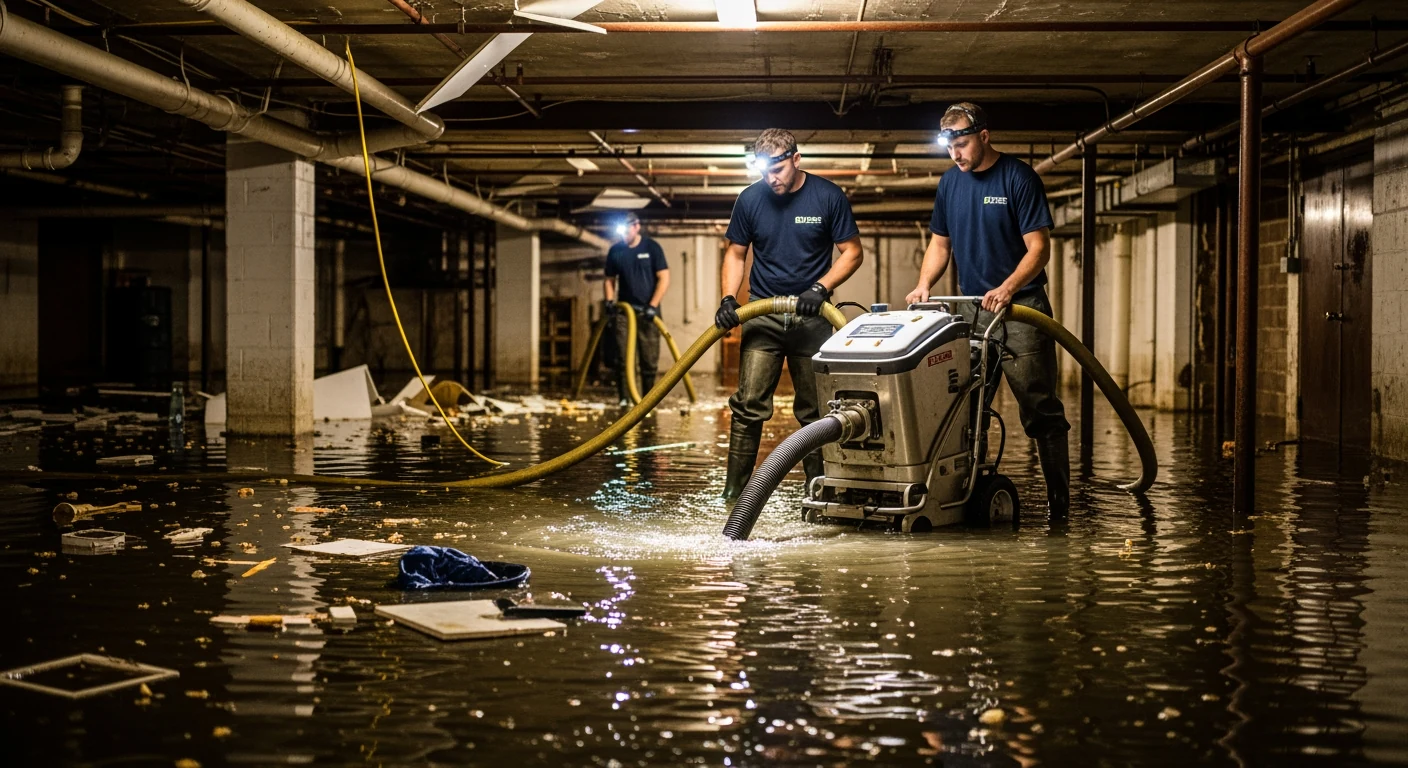
Upper Restoration’s sewage response includes an initial site assessment, containment of the affected area, extraction of contaminated water, disposal of unsalvageable materials, EPA-registered disinfection, structural drying, and post-remediation verification. Technicians are equipped and trained for Category 3 water contamination per IICRC and applicable state standards.
When our team arrives, the first move is assessment, not extraction. That means identifying the contamination source, checking for gas buildup, and mapping how far the water traveled before a single piece of equipment gets set up. Containment barriers go up next, sealing off the affected space so the rest of the building stays clear of cross-contamination while the work happens.
From there, extraction and disposal happen together. Standing water gets removed with truck-mounted or portable extraction equipment rated for contaminated water, and any porous material that can’t be safely sanitized, carpet, pad, drywall below the flood line, gets bagged and disposed of according to local regulations. Everything that stays gets disinfected with EPA-registered antimicrobial products, then dried using commercial-grade dehumidification and air movement equipment, monitored daily until moisture readings confirm the structure is dry.
The job doesn’t end at dry. Post-remediation verification, checking surfaces and air quality against an accepted clearance standard, is what tells you and your insurance carrier that the space is actually safe to reoccupy, not just visibly clean. We document every step for insurance purposes, though we can’t guarantee a specific claim outcome or coverage decision, since that’s determined by your policy and carrier.
Frequently Asked Questions
Is a sewage backup actually dangerous, or just unpleasant to deal with?
Sewage backups are a genuine health hazard, not just an unpleasant mess. Raw sewage contains bacteria, viruses, and parasites that can cause gastrointestinal and respiratory illness through ingestion, inhalation of aerosolized particles, or contact with skin and mucous membranes, according to CDC and NIOSH guidance on biological hazards in wastewater.
What specific illnesses can sewage exposure cause?
Sewage exposure can cause bacterial infections from organisms like E. coli, viral illness from norovirus or hepatitis A, and parasitic infections from Giardia or Cryptosporidium. Symptoms typically include nausea, vomiting, diarrhea, fever, and in some cases skin or respiratory infections, per CDC/NIOSH biological hazard guidance.
Can HIV be transmitted through sewage exposure?
No. NIOSH guidance states that HIV transmission through wastewater or sewage exposure is virtually nonexistent. The virus does not survive well outside the human body in that environment. The realistic health concerns from sewage exposure are bacterial, viral, and parasitic gastrointestinal illness, not bloodborne disease.
Who is most at risk from sewage exposure in a home or building?
Infants, young children, pregnant individuals, older adults, and people with weakened immune systems face higher risk of serious illness from sewage exposure. These groups should be kept away from any affected area until the space has been professionally assessed and remediated, regardless of how minor the backup appears.
Can I clean up a sewage backup myself?
Minor, contained situations may be manageable with proper protective equipment, but most sewage backups involve Category 3 contaminated water requiring specialized extraction, disinfection, and disposal procedures. Attempting cleanup with household equipment like wet/dry vacuums or fans can aerosolize pathogens and spread contamination further into the building.
What items should be thrown away after a sewage backup?
Porous materials that contact sewage-contaminated water, including carpet, carpet padding, drywall below the flood line, insulation, and upholstered furniture, generally cannot be sanitized to a safe standard and should be discarded. Hard, non-porous surfaces can often be cleaned and disinfected rather than removed.
When should I call a licensed professional instead of handling it myself?
Contact a licensed remediation professional immediately for any sewage backup involving standing water, affected drywall or carpet, gas odor, or exposure of vulnerable household members such as infants, elderly residents, or immunocompromised individuals. Licensed technicians have the training, protective equipment, and disposal protocols that household cleanup methods lack.
Sources
- Centers for Disease Control and Prevention, “Protecting Workers Handling Human Waste” (2024)
- Centers for Disease Control and Prevention / National Institute for Occupational Safety and Health, “Biological Hazards in Sewage and Wastewater Treatment” (2004, updated 2024)
This content is for general informational purposes only and is not legal, medical, or insurance advice. Remediation scope, timelines, and costs vary by site conditions. Contact Upper Restoration for a professional assessment. Licensing and certifications apply per jurisdiction.