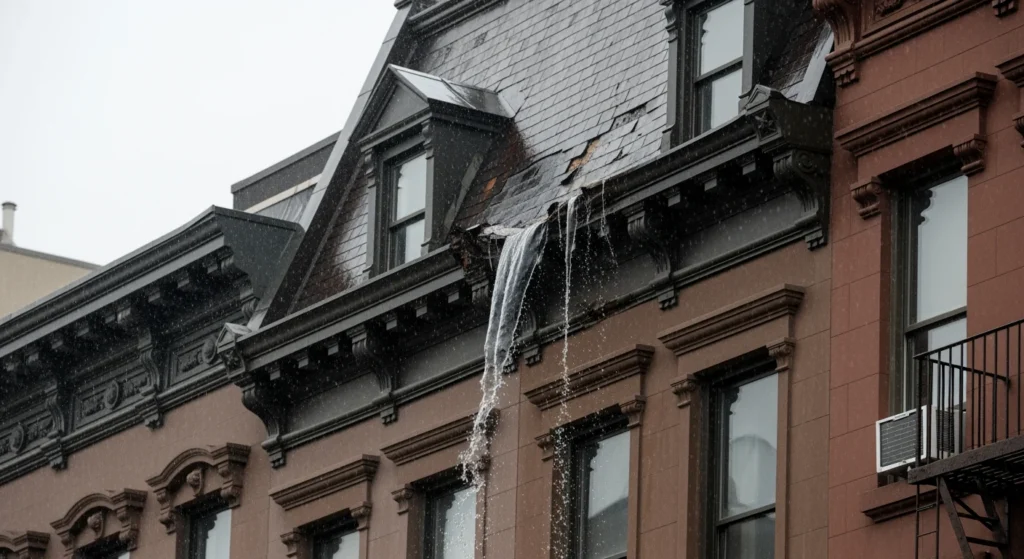
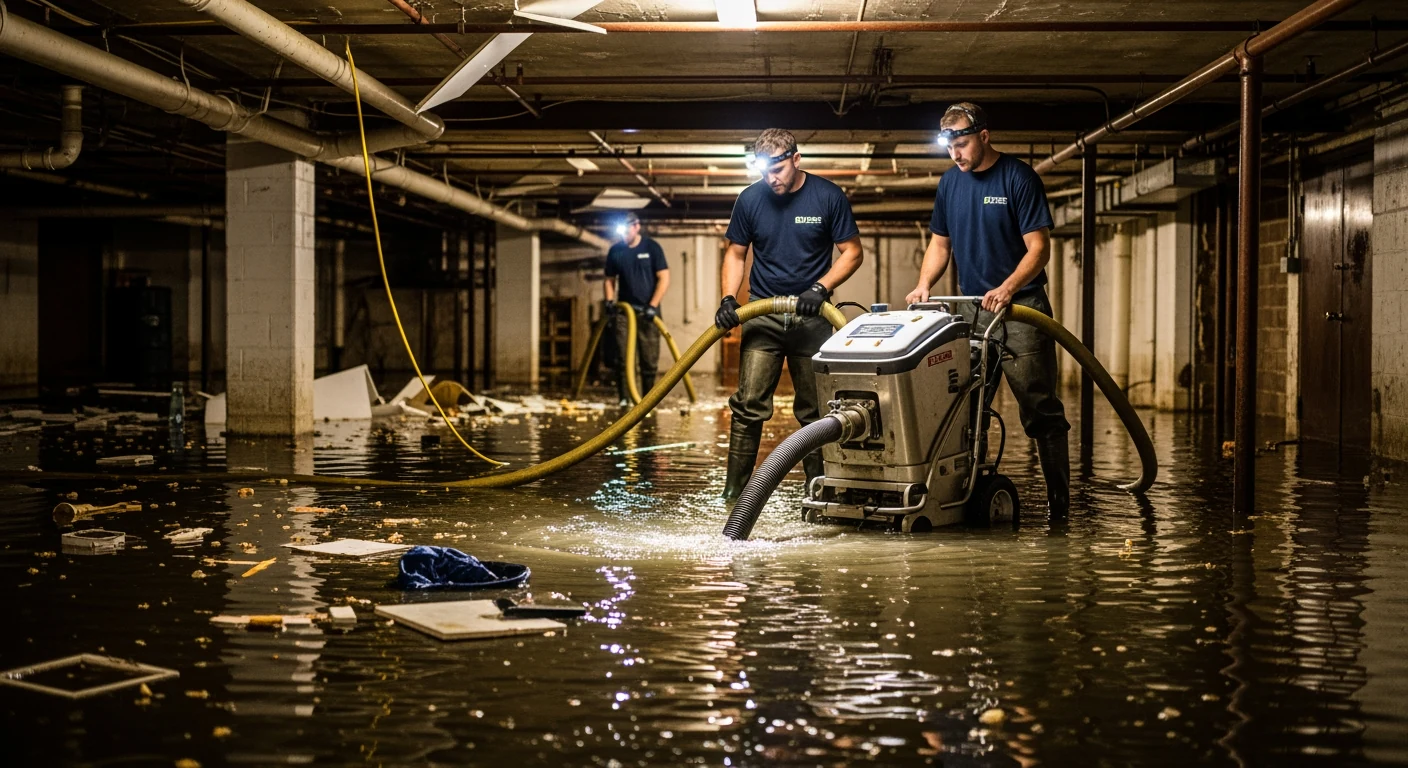
The sound of dripping water is one of the most dreaded sounds for a homeowner, especially during a heavy fall or winter storm. A roof leak is more than an annoyance; it’s an active threat to your home’s structural integrity, potentially leading to rotted framing, ruined insulation, damaged ceilings, and serious mold problems.
When you discover a leak, your first instinct is to stop the water—and fast. While some immediate, temporary measures can help, knowing the difference between a quick fix and a job for a professional is crucial for protecting your home and your safety.
Quick Fixes: Immediate Stop-Gap Measures
These are temporary solutions meant only to minimize damage until a professional can perform a proper repair. Do not attempt to get on your roof during a storm.
1. The Bucket Brigade
If you see a drip or a bulge in your ceiling, place a bucket or waterproof container directly underneath it. If the ceiling is bulging, the drywall is saturated, and the water is pooling. To prevent a larger collapse, you can carefully puncture the center of the bulge with a screwdriver to allow the water to drain into the bucket in a controlled way.
2. Locate the Source in the Attic
If it’s safe to do so, go into your attic with a flashlight and try to find the entry point of the leak. Water often travels along rafters and sheathing, so the leak on your ceiling may not be directly below the roof penetration. Look for wet insulation, dark water stains on the wood, or an active drip. Once you find it, you can place a bucket or a piece of plywood to catch the water there, closer to the source.
3. Emergency Tarping (Exterior)
This should only be done if you can do so safely, and never during high winds, rain, or snow. If you can identify the damaged area from the outside (e.g., missing shingles) and the weather is clear, you can temporarily cover it with a heavy-duty tarp. Lay the tarp flat over the damaged section, ensuring it extends several feet above the leak’s location and over the peak of the roof if possible. Secure the edges with 2×4 boards or sandbags—do not nail directly into your roof, as this creates more holes.
When to Call a Professional Immediately
A quick fix is not a permanent solution. You should call a professional roofing contractor and a water damage restoration company as soon as you discover a leak. Here are signs you absolutely need a pro:
- You Can’t Find the Leak: Professionals have the experience and tools to trace a leak to its true source, which is often difficult for a homeowner.
- The Leak is Large or Fast: A steady stream of water or a rapidly growing ceiling stain indicates a significant problem that a bucket can’t handle.
- There is Major Water Damage: If ceilings are sagging, walls are discolored, or you see signs of mold, you need a water damage restoration expert like Upper Restoration immediately. We can safely dry the structure to prevent mold growth and further damage.
- You’re Uncomfortable with Heights or Roof Work: Roofing is dangerous. Professionals have the safety equipment and training to work on roofs without risking injury.
- You See Damaged Shingles, Flashing, or Vents: Repairing these critical roof components requires specific skills and materials to ensure a permanent, watertight seal.
A roof leak is an emergency. Your priority is to minimize the immediate water damage inside your home and then call for professional help. For the water damage cleanup and drying, Upper Restoration is available 24/7 to respond quickly and prevent a small leak from turning into a major disaster.