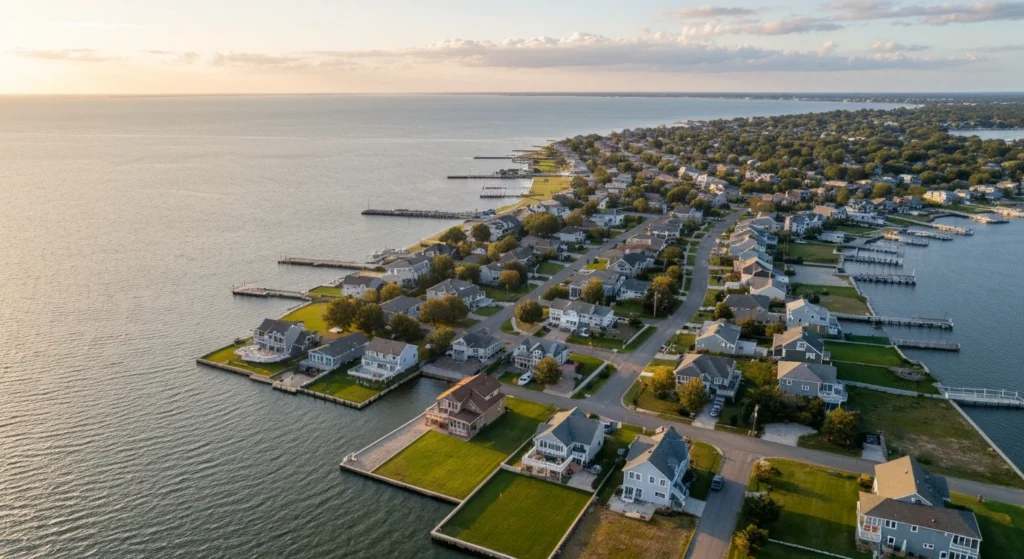
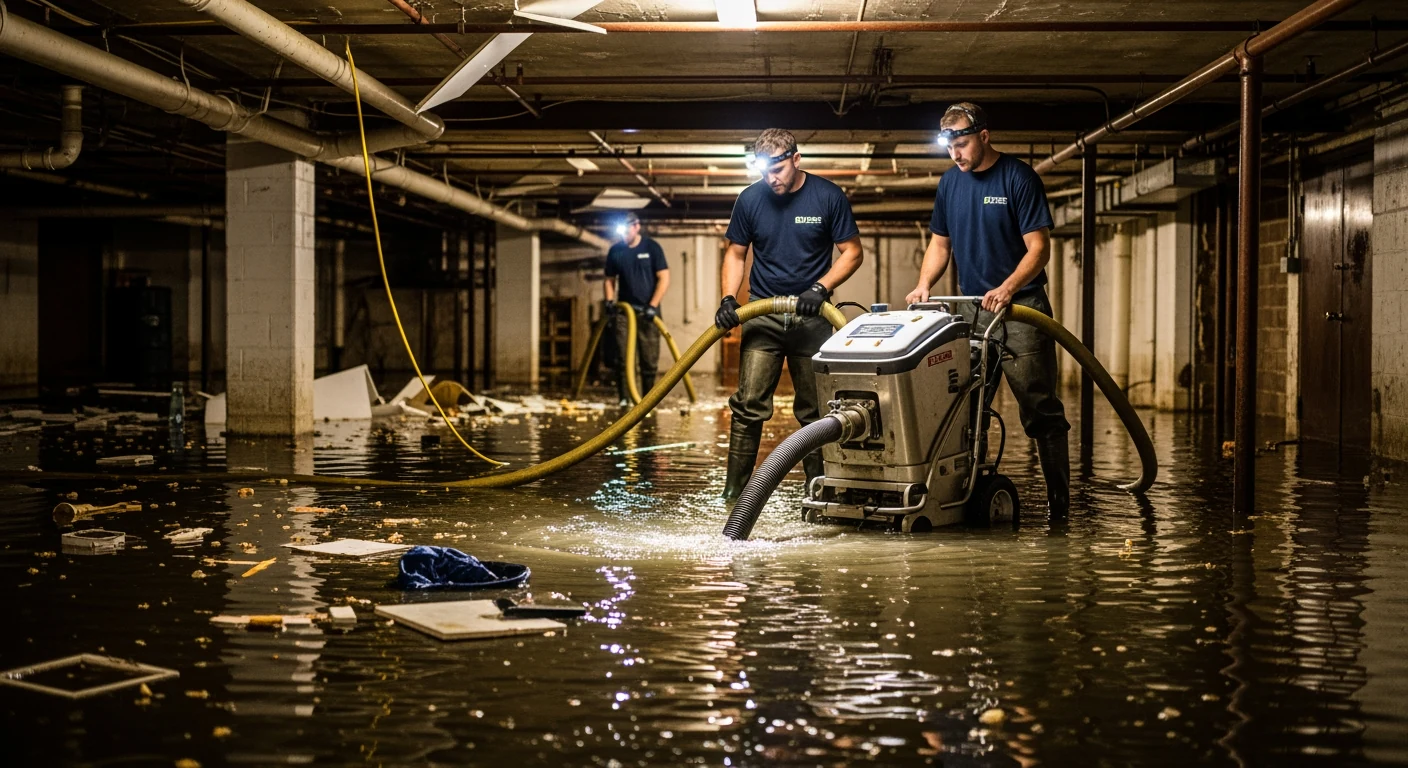
FEMA maintains a database of Repetitive Loss (RL) and Severe Repetitive Loss (SRL) properties — structures that have experienced two or more NFIP claims exceeding $1,000 in any 10-year period (RL) or four or more claims with each exceeding $5,000, or cumulative claims exceeding twice the structure’s market value (SRL). Long Island’s south shore communities — Lindenhurst, Freeport, Island Park, Long Beach, Bay Shore’s canal areas — are disproportionately represented in this database relative to their share of total NFIP policies. The designation carries financial consequences that compound over time.
How the Designation Affects Insurance
Repetitive Loss properties pay higher NFIP premiums than similar non-RL properties, reflecting the actuarial reality that the property has demonstrated above-average flood damage frequency. Severe Repetitive Loss properties face even more significant premium increases under Risk Rating 2.0‘s individualized risk assessment. In theory, the NFIP’s Increased Cost of Compliance (ICC) coverage — which provides up to $30,000 toward mitigation measures when a structure is substantially damaged — is available to RL and SRL properties to fund the mitigation that could remove them from the repetitive loss category. In practice, $30,000 is frequently insufficient for the elevation or acquisition cost required to resolve an SRL property’s vulnerability.
Mitigation Grant Programs
FEMA’s Hazard Mitigation Grant Program (HMGP) and Flood Mitigation Assistance (FMA) program provide federal funding for mitigation projects on RL and SRL properties, with FMA specifically targeting NFIP-insured RL and SRL structures. Nassau County’s Office of Emergency Management administers HMGP and FMA grant applications for Long Island properties — homeowners with RL or SRL designated properties in Nassau County’s south shore communities should contact the county OEM to understand current grant cycle availability and eligibility. Grant funding for SRL acquisition (buyout of the property) and elevation has been available in prior Nassau County HMGP cycles after Sandy and subsequent federally declared disasters.
The Buyout Option
FEMA-funded property buyout — voluntary acquisition of RL and SRL properties by the local government using federal hazard mitigation funds — is the most complete mitigation option for Long Island properties that flood repeatedly in locations where elevation is not economically feasible. Nassau County has executed buyout programs in flood-prone areas since Sandy. Buyout is voluntary, pays fair market value (pre-flood market value, not post-flood depreciated value), and removes the structure permanently — the acquired land is maintained as open space. For homeowners in Lindenhurst canal community or other south shore areas where two to three flood events per year is the documented pattern, buyout deserves consideration as a long-term financial and quality-of-life calculation.
Frequently Asked Questions: Repetitive Loss Properties
How do I find out if my property is classified as repetitive loss?
Contact your NFIP insurance provider or local floodplain administrator (typically your town’s building department). You can also request your property’s claims history through FEMA. Properties with two or more claims over $1,000 in a 10-year period are automatically classified. Your insurance agent should disclose this status and its impact on premiums.
How does repetitive loss status affect my flood insurance premiums?
Under FEMA’s Risk Rating 2.0 (effective since 2021), repetitive loss properties face surcharges of $25/year for primary residences and $250/year for non-primary. However, the real cost impact comes from the actuarial pricing model, which factors in claim history. Properties with multiple claims can see premiums 2–5x higher than comparable non-loss properties. Mitigation actions (elevation, flood-proofing) are the primary way to reduce these costs.
What mitigation grants are available for repetitive loss properties on Long Island?
FEMA’s Flood Mitigation Assistance (FMA) program prioritizes repetitive loss and severe repetitive loss properties for grants covering up to 100% of mitigation costs for SRL properties and 90% for RLP properties. Eligible projects include elevation, acquisition/demolition, and flood-proofing. New York State’s Department of Homeland Security administers these grants through local communities.
Should I elevate my home or sell if it’s a repetitive loss property?
Elevation is typically the best financial decision if the home’s value justifies the $80,000–$200,000 investment (Long Island average). FEMA mitigation grants can cover most or all of the cost for qualifying properties. Selling is complicated by disclosure requirements — New York law requires sellers to disclose flood history, which reduces market value. Upper Restoration helps homeowners document damage history and mitigation improvements for both insurance and resale purposes.