Managing residential or commercial property in New York City means operating in one of the most regulated building environments in the country. Mold, water damage, and asbestos each carry specific legal obligations for NYC property managers – and getting them wrong means tenant complaints, HPD violations, and potential litigation. Here’s a clear guide to your responsibilities.
Mold: Article 32 and NYC Local Law 55
New York State Article 32 of the Labor Law governs mold assessment and remediation for projects involving more than 10 square feet of mold. Key requirements for property managers:
- Any mold remediation project over 10 square feet must be performed by a licensed mold remediator under a written work plan prepared by a licensed mold assessor
- The assessor and remediator cannot be the same company or affiliated – a legal separation of testing and remediation
- NYC Local Law 55 (the Asthma-Free Housing Act) requires landlords in buildings with 3+ units to investigate and remediate mold and moisture conditions as part of tenant habitability obligations
- Post-remediation clearance testing by the independent assessor is required before the space can be returned to occupancy
Response time matters. NYC courts have held that failure to respond promptly to tenant mold complaints constitutes a breach of the warranty of habitability. Document every complaint and every action taken in response.
Water Damage: Response Protocol and Documentation
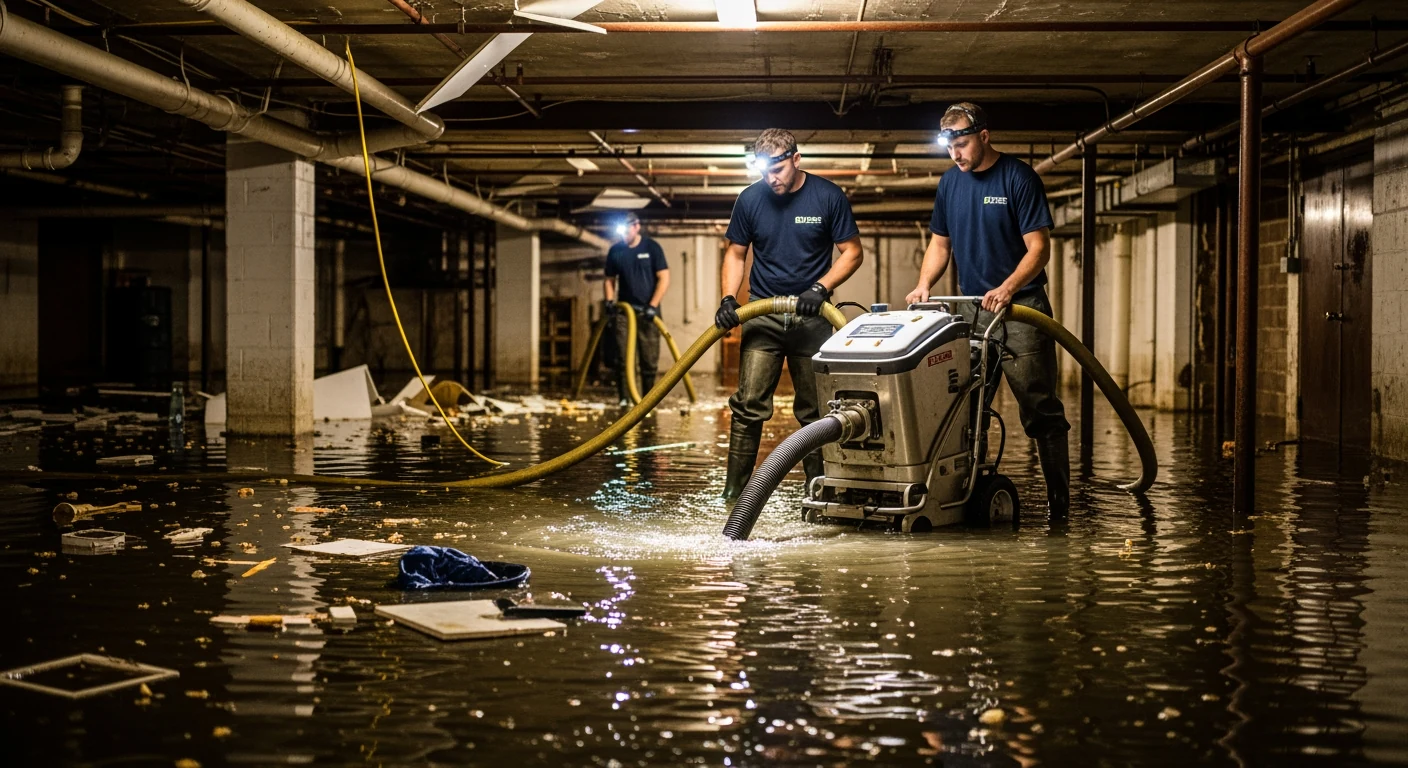
Water damage in a multi-unit building requires rapid response to prevent both structural damage and mold growth. A property manager’s standard protocol should be:
- Within 2 hours: Stop the water source, notify affected tenants, arrange for emergency water extraction if standing water is present
- Within 24 hours: Deploy drying equipment (air movers, dehumidifiers), conduct moisture readings of all affected materials, document conditions with photos
- Within 48 hours: Determine if any materials require demolition (saturated drywall, flooring); begin Article 32 assessment process if mold is suspected or materials will be disturbed
- Ongoing: Daily moisture monitoring until all materials reach target dryness levels
This documentation is essential for insurance claims and provides evidence of prompt response if a tenant files an HPD complaint or litigation.
Asbestos: ACP-5, Local Law 76, and Tenant Notification
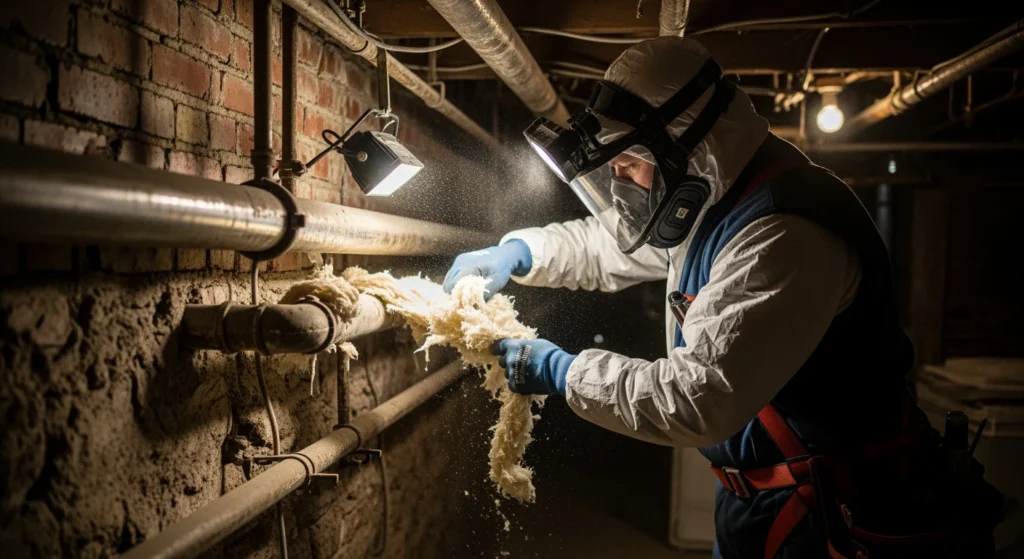
NYC Local Law 76 requires building owners to maintain asbestos records for all buildings constructed before 1987 and to ensure asbestos-containing materials (ACMs) are managed in accordance with NYC DEP regulations. For property managers:
- Any renovation requiring a NYC DOB permit in a pre-1987 building requires an ACP-5 form – a certified asbestos inspection clearance form filed with the permit application
- Deteriorating ACMs (crumbling pipe insulation, damaged floor tiles) must be managed or removed by a NYC DEP-licensed contractor
- Tenants must be notified before asbestos abatement work in their unit or adjacent common areas, with appropriate timeframes under NYC law
- DEP abatement filings (ACP-7) must be made at least 10 days before work begins
Lead Paint: Local Law 1 Annual Obligations
Under NYC Local Law 1, landlords of pre-1960 buildings (or pre-1978 buildings where a child under 6 resides) must conduct annual visual inspections for deteriorated lead paint conditions and address any hazards found. Key obligations include: inspection at tenant turnover, XRF testing when conditions are uncertain, and certified abatement for hazardous conditions. Records must be maintained for at least 10 years.
Upper Restoration: Preferred Vendor for NYC Property Managers
Upper Restoration works with residential and commercial property managers across NYC and Long Island. We provide priority response for managed properties, documentation packages designed for HPD compliance and insurance submission, and direct communication with your asset management team. Contact us to discuss a preferred vendor agreement.
Frequently Asked Questions
What is the penalty for not remediating mold in an NYC rental?
HPD can issue Class B violations (hazardous conditions) for mold affecting more than 10 square feet, which carry escalating daily fines if not corrected. Tenants can pursue rent reductions through DHCR for habitability conditions, and repeated failure to address mold can expose landlords to tenant litigation for property damage and health impacts.
Are property managers personally liable for asbestos violations?
Property managers acting as agents of the building owner can be named in enforcement actions if they have authority over building operations and fail to comply with DEP requirements. Maintaining proper records, using licensed contractors, and following ACP-5 procedures are the best protections.
How quickly must a landlord respond to a mold complaint in NYC?
NYC courts have found that failure to respond within a reasonable time (generally 30 days for non-emergency conditions, immediately for conditions affecting habitability) can constitute a breach of the warranty of habitability. Document your response to every written complaint immediately.
Conclusion
Property management in NYC is a high-compliance environment. Upper Restoration helps property managers meet their mold, water damage, and asbestos obligations with fast response, proper licensing, and documentation that stands up to regulatory scrutiny. Contact our team to set up a preferred vendor relationship.