Before the first sledgehammer swings on a Long Island renovation, there’s a legally required step that many contractors and homeowners overlook: a pre-renovation asbestos survey. Disturbing asbestos-containing materials (ACMs) without proper testing and abatement is a federal and state violation that carries significant fines and health consequences. Here’s what you need to know before any demolition or major renovation work begins.
Why Pre-Renovation Asbestos Testing Is Required
Two federal regulations make pre-renovation asbestos surveys mandatory in most situations:
- EPA NESHAP (National Emission Standards for Hazardous Air Pollutants): Requires that all building owners and operators – including homeowners hiring contractors – have regulated ACMs identified and removed by a licensed abatement contractor before any renovation or demolition that disturbs those materials.
- EPA Renovation, Repair and Painting (RRP) Rule: Requires certified renovators to test or presume the presence of lead paint before work disturbing painted surfaces in pre-1978 homes. While this is primarily a lead rule, it works in tandem with asbestos requirements.
New York State adds additional requirements under NYS DEC Code Rule 56, which governs asbestos projects in New York. Rule 56 requires written notification to DEC before asbestos abatement projects and mandates licensed contractors and certified air monitors for regulated work.
What Does a Pre-Renovation Asbestos Survey Involve?
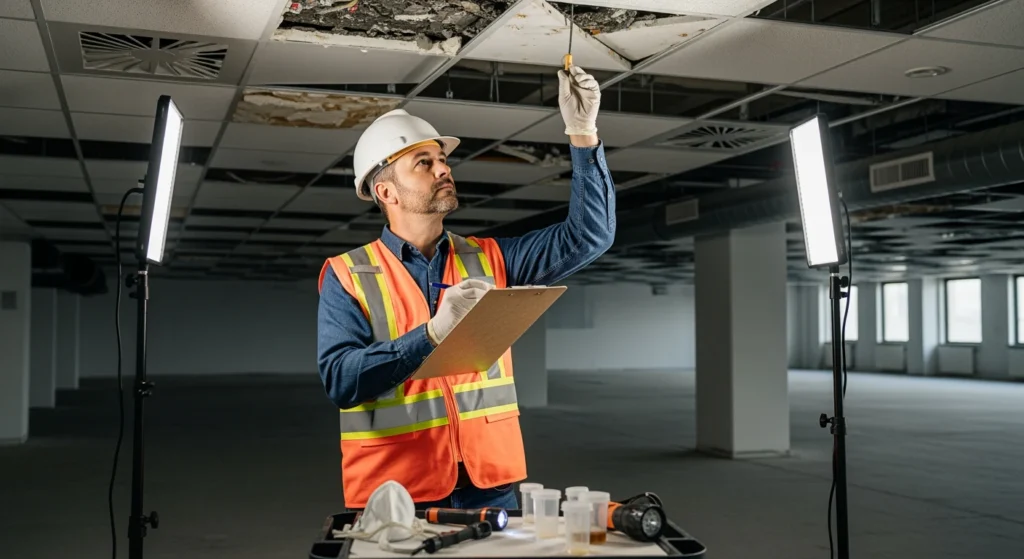
A pre-renovation survey – sometimes called a pre-demolition survey or asbestos inspection – is performed by a certified asbestos inspector. The inspector:
- Visually inspects all accessible building materials in the renovation scope
- Collects bulk samples of suspected ACMs (floor tiles, pipe insulation, drywall compound, ceiling texture, roofing, etc.)
- Submits samples to an accredited laboratory for PLM (Polarized Light Microscopy) analysis
- Produces a written report documenting the location, condition, and asbestos content of all sampled materials
The report is the basis for the contractor’s abatement plan. If no ACMs are identified, the inspector certifies the property as asbestos-free for the scope of the renovation – but this certification only covers the materials sampled.
Who Is Responsible – The Contractor or the Homeowner?
Both parties share responsibility, but in different ways. Under EPA NESHAP, the building owner is responsible for ensuring ACMs are identified and removed before renovation or demolition. Practically speaking, this means:
- Homeowners who hire general contractors are responsible for ensuring testing has been done
- Contractors who knowingly disturb ACMs without prior testing can face EPA and NYS DEC enforcement action
- A reputable general contractor will either require a survey before starting work or include asbestos testing as part of their pre-construction process
If your contractor tells you “we’ll deal with it if we find it” – that’s a red flag. The time to find it is before demo begins, not during.
Common ACMs Found in Long Island Pre-1978 Renovations
Long Island’s Cape Cods, colonials, and split-levels built between 1940 and 1978 frequently contain:
- 9″x9″ vinyl floor tiles and black mastic adhesive beneath newer flooring
- Plaster and joint compound in walls and ceilings
- Pipe wrap insulation on basement steam and hot water pipes
- Blown-in or batt insulation in attics (vermiculite insulation, in particular, may contain asbestos)
- Textured ceiling coatings (popcorn ceilings)
- Roof shingles and underlayment
- Transite board around furnaces and utility spaces
Cost of a Pre-Renovation Asbestos Survey on Long Island
Survey costs depend on the size of the property and the scope of the renovation:
- Single room/limited scope survey: –
- Full home pre-renovation survey: – ,500
- Pre-demolition survey (full structure): ,000 – ,000+
This is a small investment relative to the cost of an unplanned asbestos abatement mid-renovation – which can halt a project for weeks and add tens of thousands of dollars to a project budget.
Frequently Asked Questions
Does every renovation require an asbestos survey?
For pre-1978 properties, any renovation that will disturb suspected ACMs requires testing or a certified assumption that asbestos is present. For post-1980 construction, the risk is significantly lower but not zero – some products continued to use asbestos materials into the early 1980s. When in doubt, survey.
How long does a pre-renovation survey take?
A site inspection takes 2-4 hours for most homes. Lab results from bulk samples take 3-7 business days. Rush analysis (24-48 hours) is available at most accredited labs for an additional fee – useful when you have a contractor ready to start immediately.
What if asbestos is found during renovation without prior testing?
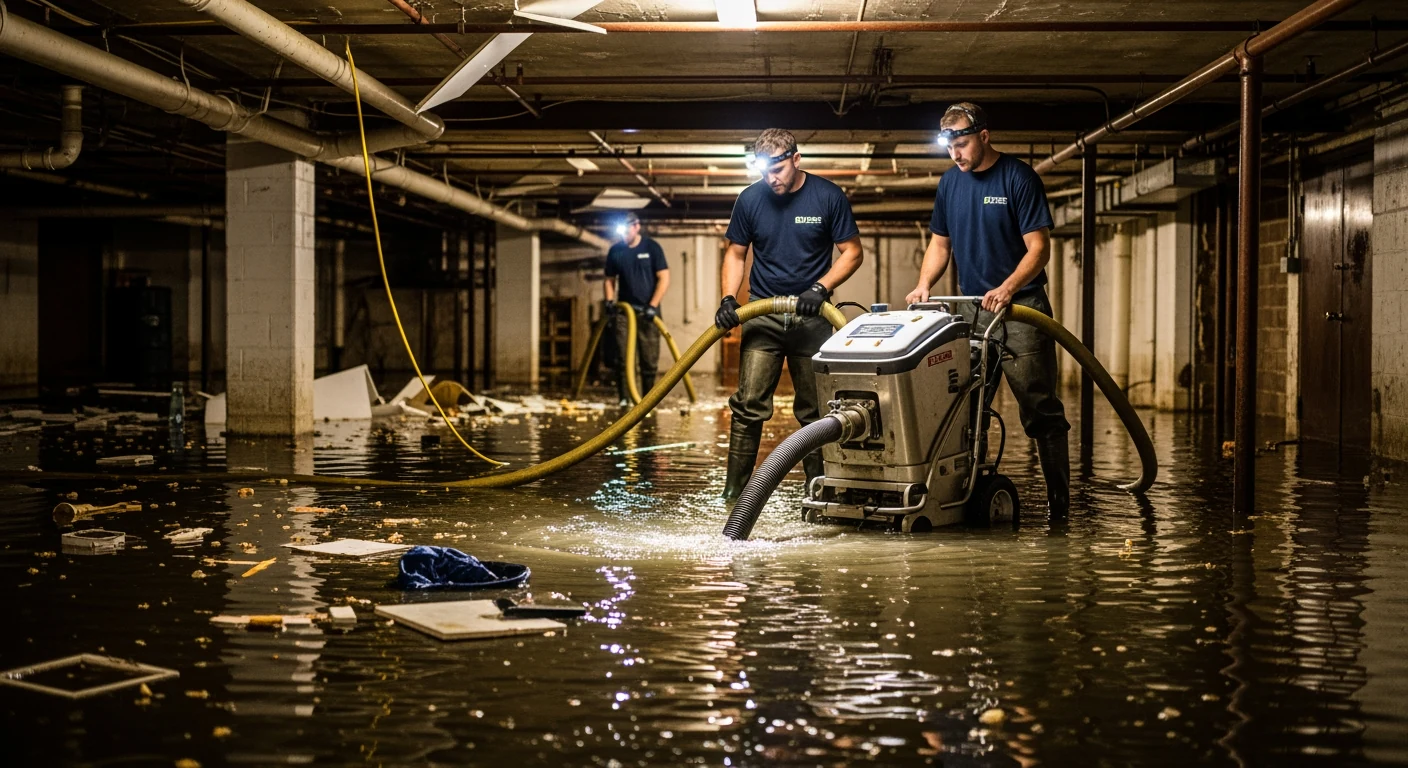
Work must stop immediately. The area should be sealed off and a certified asbestos contractor called for emergency abatement. The contractor and building owner may face regulatory scrutiny depending on the scope of disturbance. This scenario is far more disruptive – and expensive – than conducting a survey beforehand.
Conclusion
A pre-renovation asbestos survey is not bureaucratic overhead – it’s legal protection, health protection, and cost protection for your project. Upper Restoration coordinates certified asbestos surveys and provides licensed abatement services across Nassau and Suffolk County. Contact us before your next renovation to get a survey scheduled and keep your project on track.