The Blank Canvas: After the Abatement
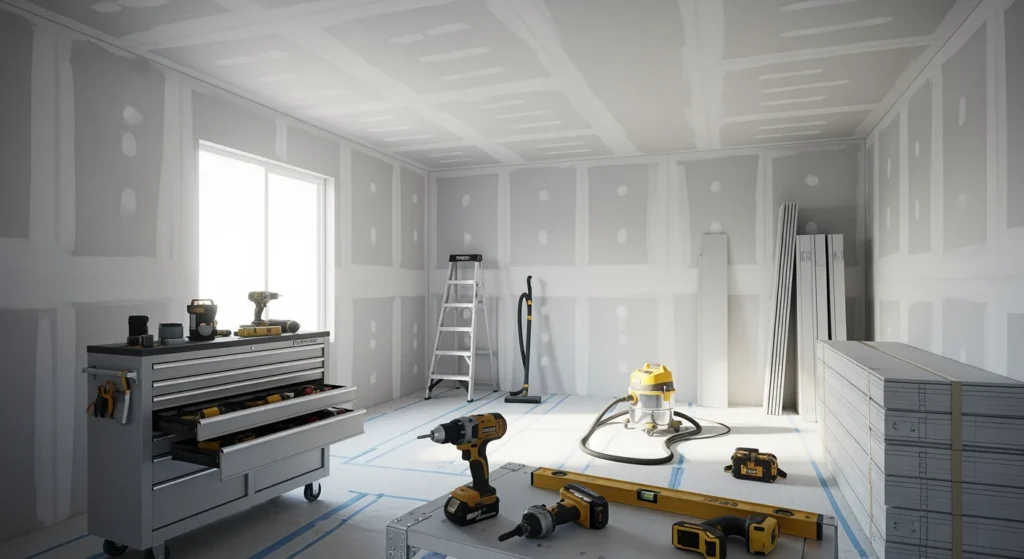
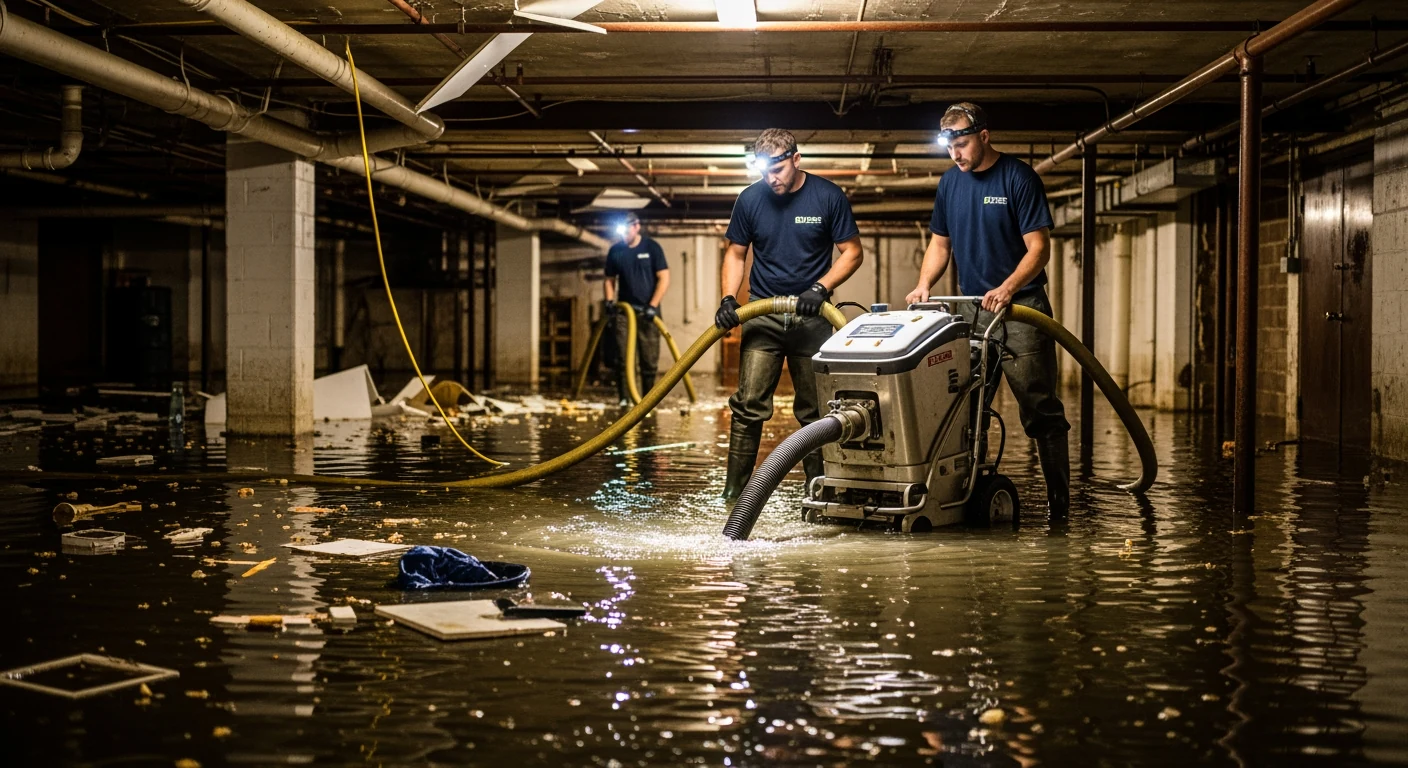
For many homeowners in Long Island, Nassau, Suffolk, and the five boroughs of NYC, the abatement process is a harrowing experience. Whether you’ve dealt with a burst pipe that led to extensive mold or discovered asbestos floor tiles during a routine renovation, the day the containment plastic comes down is a day of mixed emotions. There is relief that the hazardous materials are gone, but it is often followed by the “skeleton shock”—the sight of your home stripped down to its studs, subfloors, and ceiling joists.
This is the “Blank Canvas” stage. It is a vulnerable position for any homeowner to be in. You are living in a construction zone, likely dealing with insurance adjusters, and wondering how much it is actually going to cost to make your house feel like a home again. Understanding reconstruction costs after abatement is the first step toward regaining control of your environment.
Post-abatement reconstruction is essentially a targeted renovation. Because the “demolition” phase was handled by an abatement team—who must follow strict environmental protocols—the rebuilding phase starts from a point of absolute cleanliness. However, it also starts from a point of total deficit. You aren’t just painting walls; you are replacing insulation, hanging drywall, installing flooring, and perhaps even rerouting electrical or plumbing that was disturbed during the hazardous material removal.
How Insurance Calculates Replacement Value
If your abatement was triggered by a covered peril (like a sudden pipe burst or storm damage), your insurance company is responsible for returning your home to its “Pre-Loss Condition.” In the industry, this is governed by a principle known as Like Kind and Quality (LKQ).
The Role of the Estimator
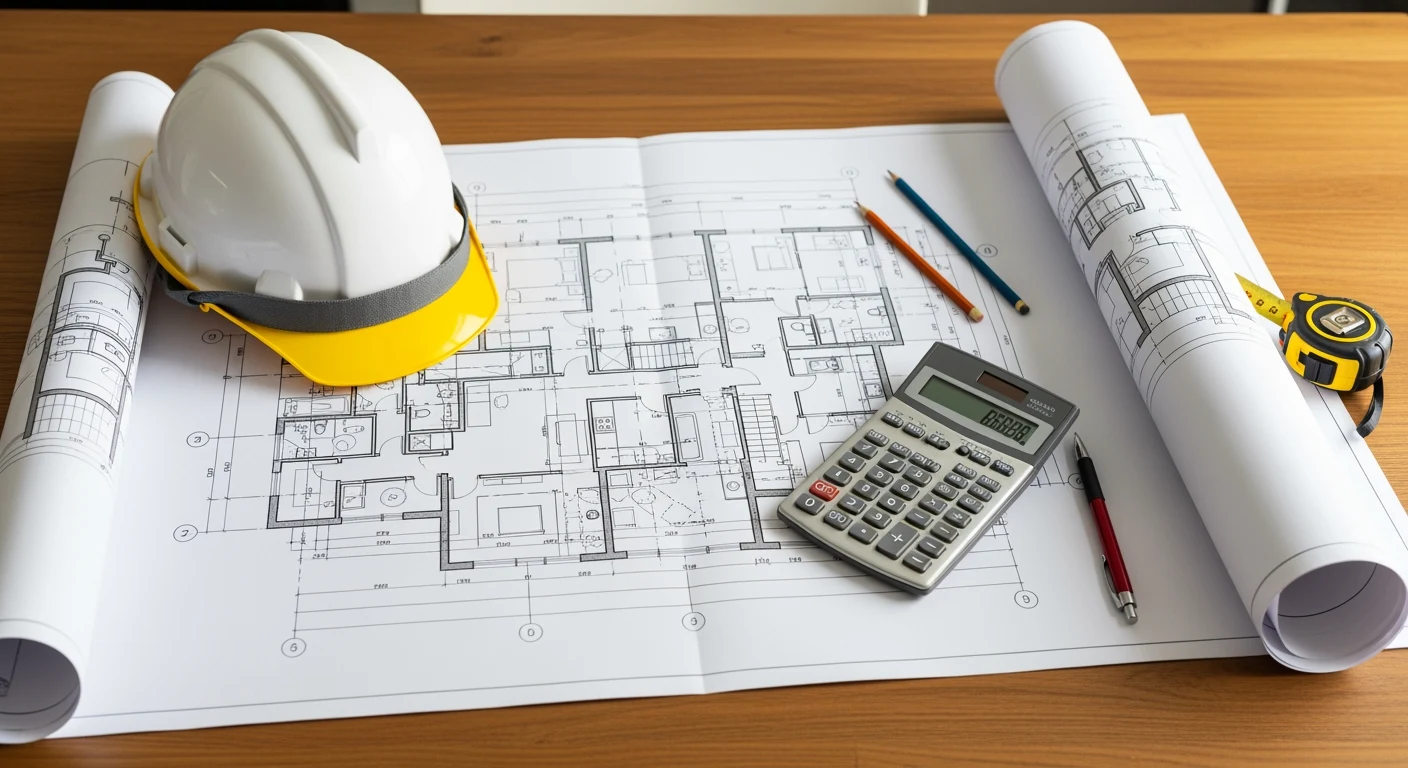
As a construction estimator, my job is to translate the physical space into a digital language that insurance companies understand. Most carriers use a software called Xactimate. This program uses localized zip code data—specifically calibrated for the high labor and material costs in the NYC and Long Island regions—to determine a “fair” price for every square foot of drywall, every linear foot of baseboard, and every gallon of paint.
RCV vs. ACV
It is vital to understand how your policy handles payouts. Replacement Cost Value (RCV) means the insurance company will eventually pay the full cost to replace the items at today’s prices. Actual Cash Value (ACV), however, factors in depreciation. In an ACV policy, if your 20-year-old hardwood floors were removed during asbestos abatement, the insurance company will only pay you what 20-year-old wood is worth today—which isn’t much. Most modern homeowners’ policies are RCV, but they often withhold “recoverable depreciation” until the work is actually completed.
Ordinance or Law Coverage
This is a critical “hidden” factor in reconstruction costs after abatement, especially in older homes in areas like Hempstead, Oyster Bay, or Brooklyn. If your home was built in the 1950s, your electrical wiring might not be up to current NY state codes. Insurance generally only pays to replace what was there. However, if you have an “Ordinance or Law” rider, the insurance company will cover the additional costs required to bring the reconstructed area up to modern building codes. Without this, the cost of those mandatory upgrades falls squarely on your shoulders.
Budgeting for Upgrades
The reconstruction phase presents a unique silver lining: the “Up-Sell Opportunity.” Since the walls are already open and the flooring is already gone, it is the most cost-effective time to perform upgrades. However, this is where budgeting becomes a transparent conversation between the homeowner and the contractor.
Insurance will provide an “allowance” based on the materials that were removed. For example, if you had standard 12×12 ceramic tiles in your bathroom, insurance might allocate $5.00 per square foot for replacement materials. If you decide you want Italian marble at $15.00 per square foot, you are responsible for the $10.00 difference. This is often referred to as “out-of-pocket” or “owner-funded” upgrades.
To budget effectively for these upgrades, we recommend the following steps:
- Review the Settlement: Look at the line items in your insurance estimate. See what they have allocated for “Material Cost.”
- Shopping with a Target: Take that insurance number to the showroom. If you know you have $2,000 for a vanity, you can choose to stay within that budget or consciously decide to spend more.
- Labor Adjustments: Keep in mind that high-end materials often require more expensive labor. Installing a standard subway tile is a different labor rate than installing a complex herringbone pattern with mosaic inlays.
The Timeline Reality
One of the biggest frustrations for distressed homeowners in the Nassau and Suffolk area is the “Dead Zone”—the period after the abatement is done but before the reconstruction starts. This delay is usually caused by the hand-off between two different companies.
A typical timeline for post-abatement reconstruction looks like this:
- Week 1: Clearance testing and final site inspection.
- Week 2-3: Estimation, insurance adjustment, and material selection.
- Week 4-6: Permitting (if structural or major plumbing/electrical changes are made). In NYC and Long Island, town permits can be a significant bottleneck.
- Week 7-10: Rough-ins (electric/plumbing), insulation, and drywall.
- Week 11-14: Finish work (flooring, cabinetry, painting, and trim).
Using a “Start-to-Finish” contractor can often shave 3 to 4 weeks off this timeline because the reconstruction team is already familiar with the site before the abatement is even finished. They can pre-order materials and schedule crews to arrive the moment the air clearance is granted.
Seamless Transition with Upper Restoration
At Upper Restoration, we specialize in the “Start-to-Finish” model. For a homeowner in Long Island or NYC, the last thing you want is to manage a dozen different subcontractors while you’re still trying to get the smell of a mold remediation project out of your mind.
By choosing a single firm to handle both the environmental concerns and the residential construction, you eliminate the “finger-pointing” that often happens between different companies. When one team is responsible for the entire project, the transition from a stripped-down stud wall to a finished, painted room is seamless. We act as your Insurance Liaison, ensuring that the Xactimate estimates are accurate and that every “Like Kind and Quality” material is accounted for, maximizing your claim and minimizing your stress.
Sample Cost Breakdown
The following table illustrates how different expenses are typically handled during the reconstruction phase. While every policy is different, this serves as a general guide for homeowners in the tri-state area.
| Expense Category | Covered by Insurance? | Notes |
|---|---|---|
| Material Replacement | Yes (Like Kind) | Matches original quality and specifications. |
| Labor | Yes | Based on standard regional rates for NY/Long Island. |
| Code Upgrades | Policy Dependent | Requires an “Ordinance or Law” rider on your policy. |
| Aesthetic Upgrades | No | Homeowner pays the difference between allowance and cost. |
| Permit Fees | Usually | Typically covered if the repair requires a permit. |
FAQ: Frequently Asked Questions
Q: Can I upgrade my bathroom during the rebuild?
A: Yes, you simply pay the difference between the insurance allowance and the upgrade cost. This is the best time to do it since the “demolition” is already paid for by the claim.
Q: What if the insurance estimate is lower than the actual contractor’s quote?
A: This is common. We handle this through a “supplemental claim.” We provide the insurance company with photos, measurements, and documentation explaining why the additional costs are necessary to complete the work to local NY standards.
Q: How do I know the air is safe before reconstruction starts?
A: After abatement, a third-party environmental hygienist should perform “Clearance Testing.” You should never start reconstruction until you have a document stating the area is safe for occupancy.
Rebuilding after a disaster or a hazardous material discovery is more than just a construction project; it’s about restoring your peace of mind. By understanding the budgeting process and working with a team that understands both the insurance side and the hammers-and-nails side, you can turn a stressful abatement into a beautiful new beginning for your home.
Ready to rebuild? Get a quote for your post-abatement construction.
Upper Restoration provides professional licensed asbestos abatement services across Nassau County, Suffolk County, and all five NYC boroughs — available 24/7.
Need professional asbestos abatement on Long Island? Upper Restoration provides licensed asbestos abatement and removal services across NYC and Long Island. Contact us for a free assessment.