New York State’s DEC Code Rule 56 (6 NYCRR Part 56) is the regulatory framework governing asbestos in renovation and demolition projects throughout New York, including all of Long Island. It establishes who can perform asbestos surveys, what survey procedures are required before renovation or demolition, what asbestos removal activities require licensed contractors, what disposal procedures apply, and what notification must be filed with DEC before regulated projects begin. For the Long Island renovation market — where the majority of residential buildings were built before 1987 — Code Rule 56 compliance is a baseline requirement, not an edge case.
When Code Rule 56 Applies
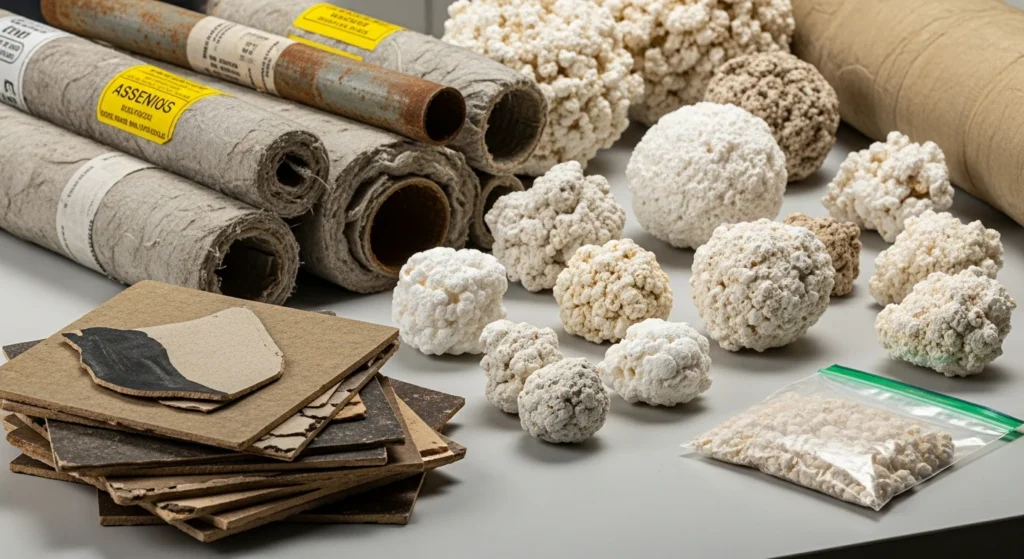
Code Rule 56 applies to all renovation or demolition activities in buildings built before 1987 where suspect asbestos-containing materials (ACM) may be disturbed. The regulation is effectively universal in Nassau County and western Suffolk residential renovation — nearly every residential structure predates the 1987 threshold. The critical threshold that triggers formal pre-demolition survey requirements is: any renovation project that will disturb materials in a building constructed before 1987.
Pre-Renovation Survey Requirements
Before any renovation that may disturb ACM, a Code Rule 56-compliant pre-renovation survey must be performed by a NYS DEC-licensed asbestos inspector. The inspector must collect bulk samples from all suspect materials that will be disturbed — the survey cannot be performed visually without sampling. Survey results must be available before renovation work begins. If ACM is confirmed, it must be removed by a licensed abatement contractor before renovation proceeds.
The Threshold Chart: When Licensed Abatement Is Required
Code Rule 56 establishes quantity thresholds above which licensed abatement contractor involvement is required and DEC notification must be filed: friable ACM over 260 linear feet (pipe insulation) or 160 square feet (floor tile, ceiling tile, drywall joint compound) triggers the full regulatory sequence — DEC notification, licensed contractor, project monitor, air monitoring, waste disposal documentation. Below these thresholds, regulated asbestos containing material (RACM) must still be handled by appropriately trained workers using required PPE, but the full licensed contractor notification sequence does not apply. The practical reality in Long Island renovation: most whole-room renovation scopes in pre-1978 homes exceed these thresholds across multiple material types.
Waste Disposal Requirements
Asbestos-containing waste from Long Island renovation projects must be wetted (to prevent fiber release), double-bagged in 6-mil poly bags, labeled with the required asbestos waste label, and disposed of at a landfill licensed to accept asbestos waste. In Nassau County, the Oceanside landfill accepts asbestos waste from licensed abatement contractors. Code Rule 56 requires a chain of custody from job site to disposal facility — the manifest documents that the waste was properly managed throughout. Asbestos waste mixed into standard construction debris is a violation with potential EPA NESHAP enforcement consequences.