Your Landlord Legal Obligations After Property Damage in NYC
Renting in New York City comes with strong tenant protections including enforceable rights when your apartment sustains mold, water, or fire damage. New York law places specific obligations on landlords to restore habitability and gives tenants legal recourse when they fail to act.
The Warranty of Habitability: RPL Section 235-b
New York Real Property Law Section 235-b, the implied warranty of habitability, requires every residential landlord in New York to maintain rental apartments in a livable condition at all times. This means structurally safe and sound, free from conditions dangerous to life health or safety, equipped with working heat hot water and essential services, and free from significant mold, water intrusion, and pest infestation. The warranty of habitability cannot be waived in a lease and applies to all NYC residential tenants regardless of rent regulation status.
What Landlords Must Do After Water Damage
- Stop the source: Repair whatever caused the water intrusion within a reasonable timeframe, same-day or next-day for severe active leaks
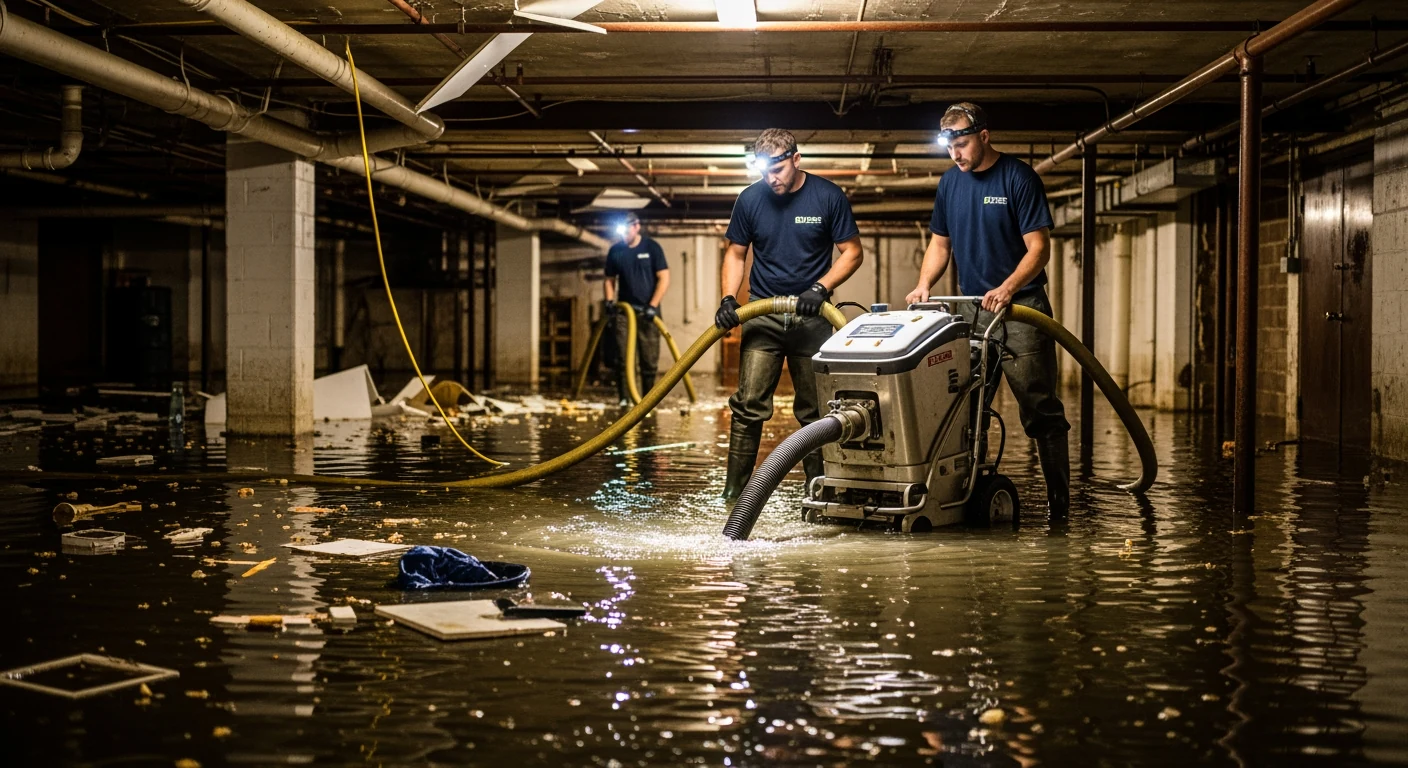
- Conduct extraction and drying: Standing water and saturated materials create immediate mold risk and structural hazard
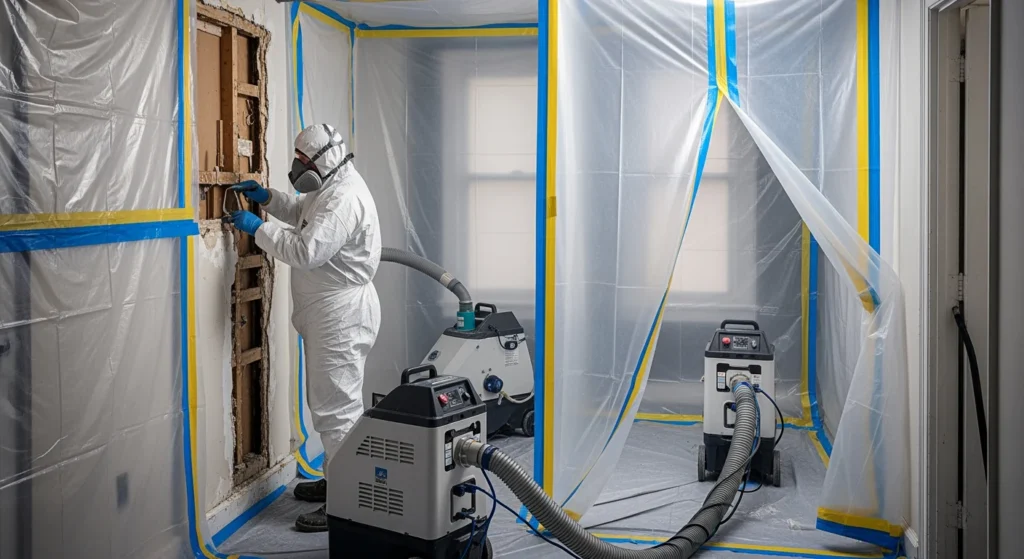
- Remediate mold: Any mold resulting from water damage must be properly remediated per NYS Mold Law, not just painted over
- Restore the unit: Damaged drywall, flooring, and fixtures must be replaced to restore habitable condition
What Landlords Must Do After Mold
Under NYC Housing Maintenance Code Section 27-2017.1, landlords must address visible mold, follow safe remediation practices with containment and HEPA vacuuming, and fix the underlying moisture source. Remediation without fixing the source is not legally adequate. For mold in buildings covered by NYC Local Law 55, landlords have additional proactive inspection and remediation obligations.
What Landlords Must Do After Fire Damage
After a fire the landlord must secure the property with board-up and tarping, arrange professional smoke and soot remediation not just cosmetic painting, restore essential services as quickly as possible, and make the unit habitable. If the unit is uninhabitable the landlord is typically required to provide alternative accommodation or reduce rent proportionally.
How to File an HPD Complaint
Call 311 available 24 hours and describe the condition in detail. Use the 311 website or app to submit complaints online and receive a tracking number. Violations are classified as Class A non-hazardous with 90 days to correct, Class B hazardous with 30 days to correct, and Class C immediately hazardous with 24 hours to correct. Active water intrusion, mold where someone is ill, and conditions affecting structural safety are typically Class C.
When Can a NYC Tenant Withhold Rent?
New York law allows tenants to withhold rent when a landlord has materially breached the warranty of habitability but this is a legal maneuver with consequences if done incorrectly. Proper procedure: document the condition, give the landlord written notice and reasonable time to repair, file a 311 or HPD complaint, deposit withheld rent in escrow, and if the landlord brings a nonpayment proceeding raise the warranty of habitability as a defense. Consult a tenant rights attorney or NYC Legal Aid before withholding rent.
FAQ
What can I do if my NYC landlord will not fix mold?
File a complaint with 311 or HPD immediately. HPD will inspect and issue a violation if mold is confirmed. Landlords must correct Class C mold violations within 24 hours. If the landlord ignores the violation, HPD can arrange emergency repair and charge the landlord.
Can I withhold rent if my apartment has water damage in NYC?
Technically yes if the water damage constitutes a breach of the warranty of habitability, but only if you follow proper procedure: document, notify, file HPD complaint, deposit rent in escrow. Do not spend withheld rent. Consult a tenant attorney before taking this step.
What is RPL 235-b?
New York Real Property Law Section 235-b is the implied warranty of habitability requiring every NYC residential landlord to maintain apartments in livable condition. It cannot be waived in a lease and applies to all residential tenants regardless of rent regulation status.
Professional Damage Remediation for NYC Buildings
Upper Restoration works directly with NYC building owners and property managers to remediate mold, water, and fire damage in compliance with NYS Mold Law and NYC Local Law 55. If you are a landlord facing an HPD violation, contact us for a rapid response assessment.