In the complex landscape of New York City real estate, regulatory compliance is not merely a suggestion; it is a foundational pillar of property management. Among the most critical mandates enacted in recent years is Local Law 55 of 2018, also known as the Asthma-Free Housing Act. This legislation shifted the burden of indoor allergen management from a reactive “complaint-based” system to a proactive “prevention-based” mandate.
For landlords and property managers of multiple dwellings, understanding Local Law 55 compliance NYC is essential to avoiding costly HPD violations, legal disputes with tenants, and the potential for significant civil penalties. As a Regulatory Compliance Specialist and HPD Liaison, I have seen firsthand how minor oversights in mold or pest management can escalate into Class C “Immediately Hazardous” violations. This guide serves as a comprehensive roadmap for navigating these legal requirements with precision.
Understanding Local Law 55 Obligations
Local Law 55 (LL55) mandates that owners of buildings with three or more apartments (and all “multiple dwellings”) take proactive measures to keep their properties free from indoor allergen hazards. These hazards primarily include mold, cockroaches, rats, and mice. The law is predicated on the medical understanding that these allergens are significant triggers for asthma, a public health crisis that disproportionately affects New York City renters.
The Scope of the Law
The law applies to all owners of multiple dwellings, regardless of whether a tenant has filed a formal complaint through 311. Under the NYC Administrative Code §27-2017.1, landlords are legally required to keep their premises free from pests and mold, and to remediate any underlying conditions that cause these hazards, such as water leaks or structural gaps.
Primary Responsibilities
- Proactive Maintenance: Landlords must ensure that properties are kept in a “clean and sanitary condition.” This includes sealing cracks, repairing leaks, and ensuring proper ventilation.
- Integrated Pest Management (IPM): Rather than simply spraying pesticides, LL55 requires IPM, which focuses on long-term prevention through structural repairs and sanitation.
- Mold Remediation Standards: Mold must be addressed using specific work practices that prevent the spread of spores, particularly when the affected area exceeds certain size thresholds.
- Annual Notice Requirements: Every year, and upon the signing or renewal of a lease, landlords must provide tenants with a “Notice of Rights” regarding indoor allergen hazards.
Failure to adhere to these obligations does not just result in a dirty building; it results in legal liability. HPD inspectors are trained to look for “signs” of mold and pests even if they are at the property for an unrelated reason, such as a heat and hot water complaint.
The Annual Inspection Process
The cornerstone of Local Law 55 compliance NYC is the mandatory annual inspection. Landlords are required to inspect every unit in a multiple dwelling at least once a year. This is not a cursory walkthrough; it is a targeted investigation for specific health triggers.
What to Look for During Inspections
During the annual inspection, the inspector—who should be the landlord, a managing agent, or a qualified professional—must look for:
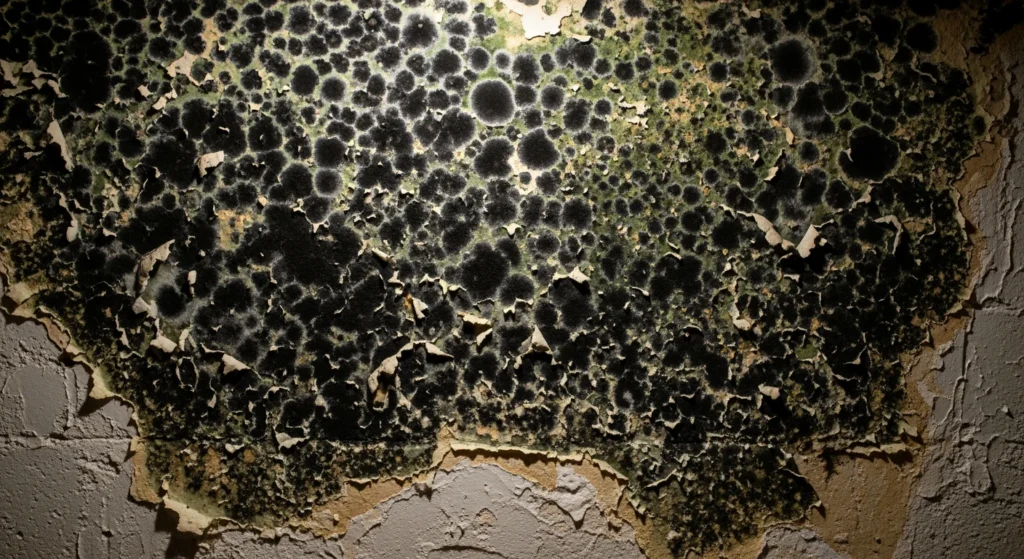
- Visible Mold: Any discoloration on walls, ceilings, or floors. It is important to check behind appliances and inside closets where air circulation is poor.
- Water Leaks: Chronic moisture is the primary cause of mold. Inspectors must check under sinks, around toilets, and near windows for signs of active or past water infiltration.
- Pest Infestations: Look for live insects, droppings, nests, or “rub marks” left by rodents along baseboards.
- Structural Deficiencies: Holes in walls, gaps around pipes (which serve as “pest highways”), and peeling lead-based paint.
The Record-Keeping Requirement
Documentation is the landlord’s best defense in an HPD audit or a housing court case. Landlords must keep records of these annual inspections for at least three years. These records should include the date of inspection, the specific findings for each unit, and the actions taken to remediate any discovered hazards. Using a standardized checklist is highly recommended to ensure no area is overlooked.
Key Deadlines and Frequencies
To remain compliant, landlords must follow a strict calendar of administrative and physical tasks. Below is a summary of the core requirements under Local Law 55.
| Requirement | Description | Deadline/Frequency |
|---|---|---|
| Annual Inspection | Check for mold/pests in all units | Once per year |
| Tenant Notice | Distribute ‘Notice of Rights’ | With lease & renewal |
| Remediation Timeline | Fix Class B (Hazardous) Violations | Within 30 Days |
| Remediation Timeline | Fix Class C (Immediately Hazardous) | Within 21 Days |
Steps to Clear HPD Violations
When an HPD inspector identifies mold or pest issues, they will issue a violation. Under Local Law 55, these are typically categorized as Class B (Hazardous) or Class C (Immediately Hazardous). Ignoring these notices is a recipe for financial disaster, as fines accrue daily and can lead to “Litigation” status for the building.
Identifying the Violation Class
A Class B violation for mold generally refers to an area between 1 and 10 square feet. A Class C violation is issued for larger areas or when there is an “immediately hazardous” condition, such as mold in a household where a resident has a documented respiratory condition. Class C violations must be addressed with extreme urgency.
The Remediation Workflow
- Identify the Root Cause: You cannot simply paint over mold. You must fix the leak or ventilation issue first. If you certify a repair and the mold returns, HPD can issue “False Certification” penalties.
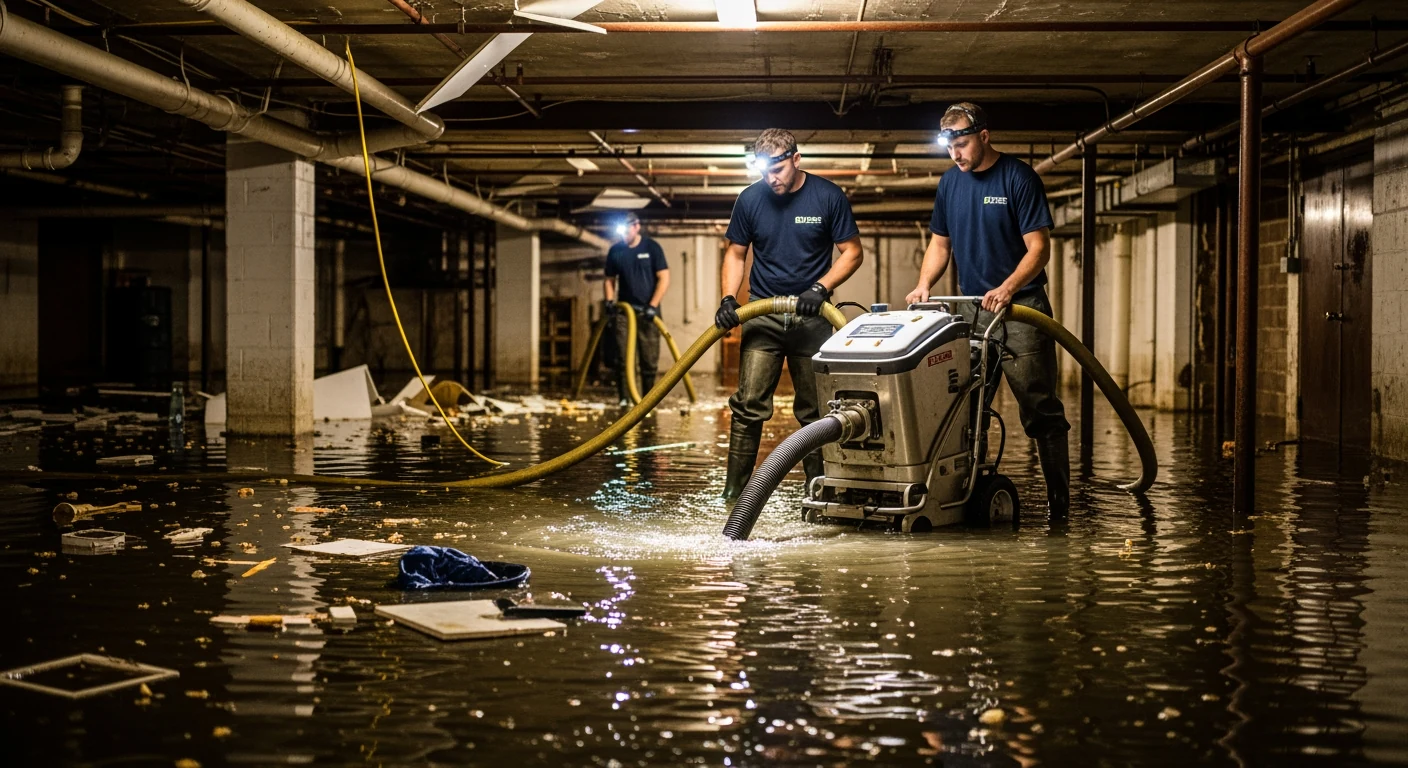
- Professional Abatement: For mold areas larger than 10 square feet, you are legally barred from using a standard superintendent. You must hire a New York State licensed professional.
- Certification of Correction: Once the work is completed, the landlord must submit a “Certification of Correction” to HPD. This usually involves Form AFH-1 (for mold) or documentation proving Integrated Pest Management was used.
- HPD Re-Inspection: HPD may perform a follow-up inspection to verify the hazard has been removed. If the inspector finds that the work was not done according to LL55 standards, the violation will remain “open” and penalties will continue to accrue.
For more detailed insights on navigating these regulations, you may consult the NYC Local Law 55: Expert Guide to ensure your paperwork aligns with current HPD requirements.
Hiring Licensed Professionals
One of the most frequent points of confusion regarding Local Law 55 compliance NYC is the “10 square foot rule.” Many landlords attempt to save costs by having an in-house handyman handle mold removal. However, New York State Labor Law Article 32 mandates very specific licensing requirements that overlap with NYC Local Law 55.
The Conflict of Interest Rule
By law, there must be a “separation of powers” in mold remediation. The company that performs the Mold Assessment (identifying the type and extent of mold) cannot be the same company that performs the Mold Remediation (the actual cleanup). This prevents contractors from inflating the scope of work for their own financial gain. As a landlord, you must hire two distinct entities for any job over 10 square feet.
What to Look for in a Contractor
- NYS Mold Assessor License: Required to create the “Remediation Plan.”
- NYS Mold Remediator License: Required to execute the cleanup and provide the “Post-Remediation Notice.”
- Insurance: Ensure the contractor has specific “Mold and Pollution” coverage. Standard general liability policies often exclude mold.
Using unlicensed labor for mold remediation is a violation of both city and state law. If an HPD auditor discovers that a large-scale mold project was completed without a licensed remediator, the landlord can face fines that far exceed the cost of hiring a professional in the first place. For high-quality abatement, consider professional Services – Mold Removal & Remediation to ensure the job is done to legal standards.
Best Practices for Integrated Pest Management (IPM)
Local Law 55 explicitly forbids the sole use of “bomb” style pesticides or excessive chemical applications. Instead, landlords must adopt Integrated Pest Management. This involves:
- Sealing Entry Points: Using copper mesh and silicone caulk to block holes where mice and roaches enter.
- Managing Garbage: Ensuring that trash is stored in rodent-proof containers and removed regularly.
- Eliminating Water Sources: Fixing leaky faucets and ensuring drains are clear, as pests require water to survive.
- Tenant Cooperation: Educating tenants on proper food storage. While the landlord is responsible for the structure, the tenant’s lifestyle plays a role in pest management.
Summary of Key Takeaways
- Inspections must be proactive, not just reactive to complaints. Do not wait for a 311 call to check your units.
- Remediation must address the underlying moisture source. Mold is a symptom; the leak is the disease.
- Use of licensed NYS Mold Assessors/Remediators is mandatory for large jobs. Specifically, any area over 10 square feet requires a licensed professional.
- Administrative compliance is as important as physical repair. Keep your logs, distribute your notices, and certify your violations on time.
Frequently Asked Questions (FAQ)
Q: Can a handyman fix Local Law 55 mold violations?
A: Only if the total affected area is under 10 square feet. For any mold remediation project exceeding 10 square feet, NYC and NYS law require the use of a NYS licensed mold remediator and a separate licensed mold assessor.
Q: What happens if a tenant refuses access for the annual inspection?
A: Landlords must make a “good faith effort” to gain access. This includes providing written notice at least 24 hours in advance. If a tenant repeatedly refuses access, document every attempt and consult with legal counsel, as this may be grounds for a holdover proceeding or a court order for access.
Q: Does Local Law 55 apply to commercial properties?
A: No, Local Law 55 specifically targets residential multiple dwellings (buildings with 3 or more units). However, commercial tenants may have similar protections under their specific lease agreements regarding habitability and health standards.
Q: How do I know if my mold violation is a Class B or Class C?
A: The HPD Notice of Violation will explicitly state the classification. Class B violations generally give you 30 days to comply, while Class C “Immediately Hazardous” violations require action within 21 days.
Maintain Compliance and Protect Your Investment
Don’t let HPD violations and mold hazards jeopardize your property’s standing. Ensure your building meets all the rigorous standards of NYC Local Law 55 with professional, licensed oversight.