Long Island’s storm vocabulary defaults to hurricane — but the storms that produce the most total annual damage on the island are nor’easters, not hurricanes. Understanding the distinction between these two storm types matters for preparation, for realistic expectation-setting about damage types, and for navigating post-storm insurance claims where the specific storm mechanism determines which coverage applies.
How Nor’easters Differ from Hurricanes
A nor’easter is an extratropical cyclone that develops along the East Coast when cold polar air meets warmer Gulf Stream air. The name derives from the northeasterly winds that precede the system onshore. Nor’easters can produce sustained winds of 40 to 60 miles per hour on Long Island — lower peak speeds than major hurricanes but sustained over longer periods (12 to 24 hours versus a hurricane’s passage of 3 to 6 hours). The longer duration produces more total wave action on Long Island’s south shore, more rainfall accumulation, and more sustained surge against the barrier islands and canal communities. Nor’easters occur 5 to 10 times per year on Long Island — they are the baseline, not the exception.
A hurricane is a tropical cyclone with organized rotation and a warm ocean energy source. Peak intensity on landfall is higher than most nor’easters, but the storm moves faster — its damage window on Long Island is shorter. Hurricane damage tends to be more concentrated in time and often more severe per hour: the wind damage, storm surge, and inland flooding occur simultaneously rather than building over an extended period. Sandy was technically post-tropical (extratropical) when it made landfall — but its size and the interaction with a concurrent nor’easter produced the sustained surge that made it exceptional.
Insurance Framework Differences
The key insurance distinction is not storm type but damage mechanism. Wind damage from either a nor’easter or hurricane is covered by the homeowners windstorm coverage (subject to the wind deductible, which may be a percentage of Coverage A on Long Island properties in FEMA-designated wind zones). Flood damage from storm surge — whether from a nor’easter or hurricane — is covered only by flood insurance, not homeowners. The most consequential post-storm insurance question is always: was the damage from wind (homeowners coverage) or from water that entered from outside (flood coverage)? This determination drives the adjuster assignment and ultimately the payment amount.
Restoration Response Differences
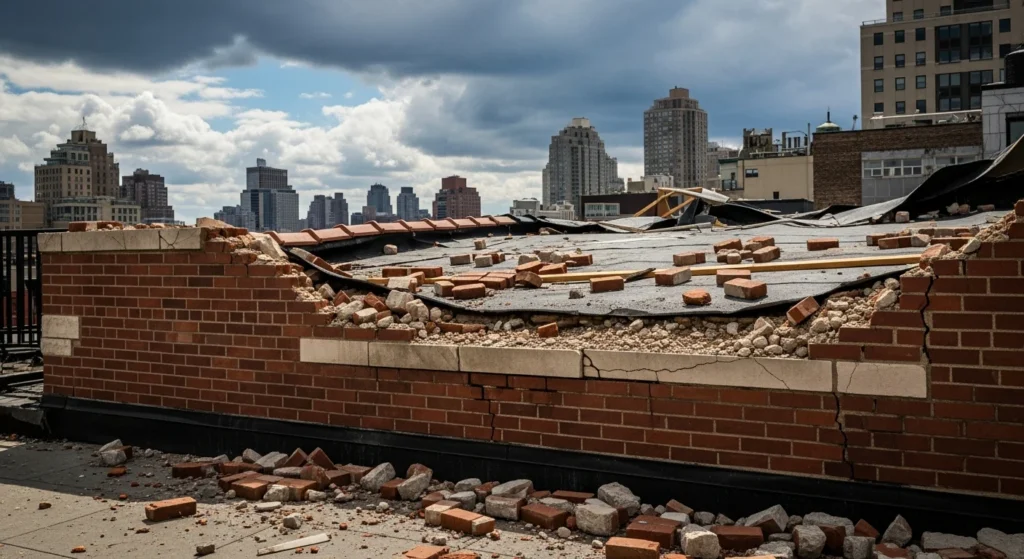
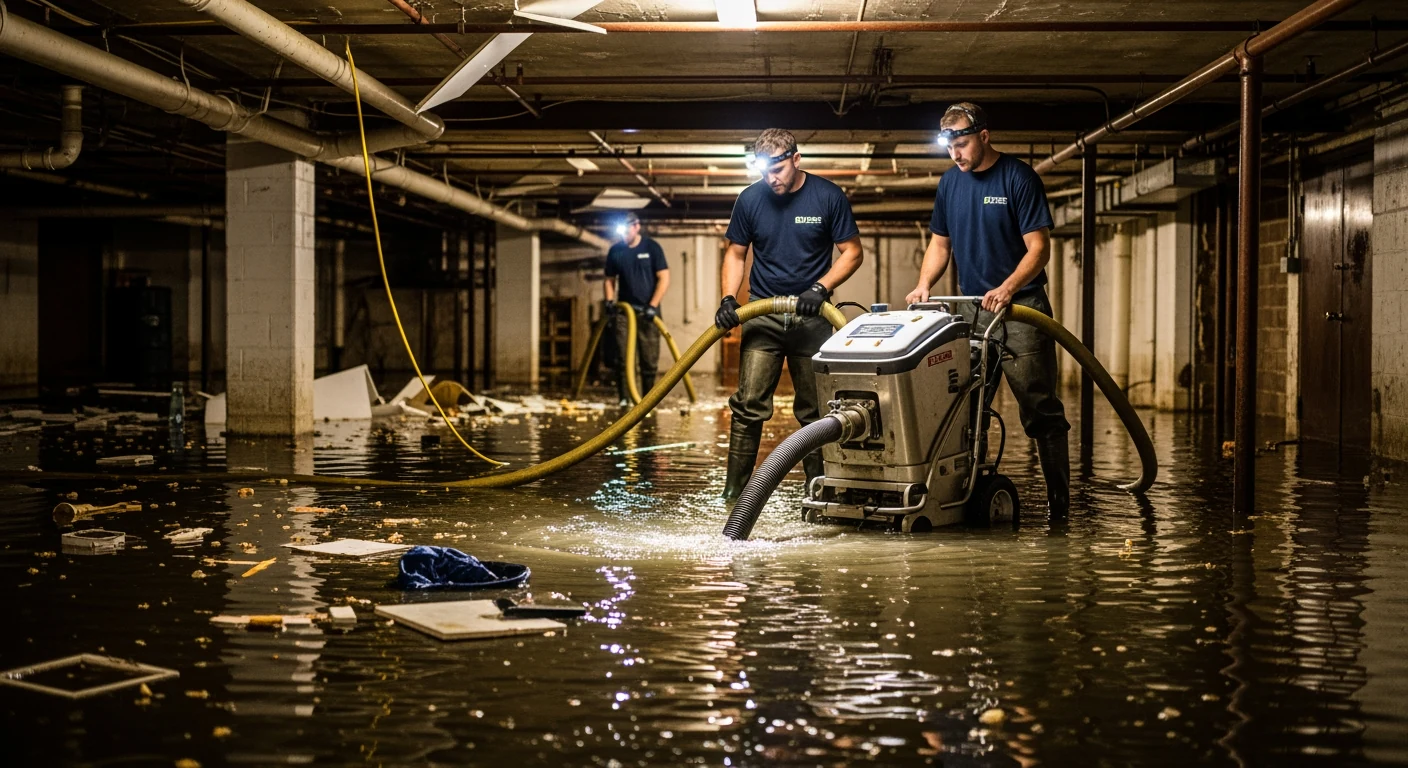
Nor’easter damage on Long Island is typically: roof damage from sustained wind (shingles, flashing, dormer penetrations), basement flooding from sump pump overload or storm surge in south shore communities, and tree impact damage from saturated soil that reduces root holding capacity. Hurricane damage adds: more severe structural wind damage at higher sustained speeds, wider-spread coastal surge from the larger storm circulation, and in some cases tornado-spawned damage from embedded storm cells in the outer bands. Upper Restoration’s response protocols are calibrated to both storm types with pre-positioned equipment and contractor teams that can scale to the event size.