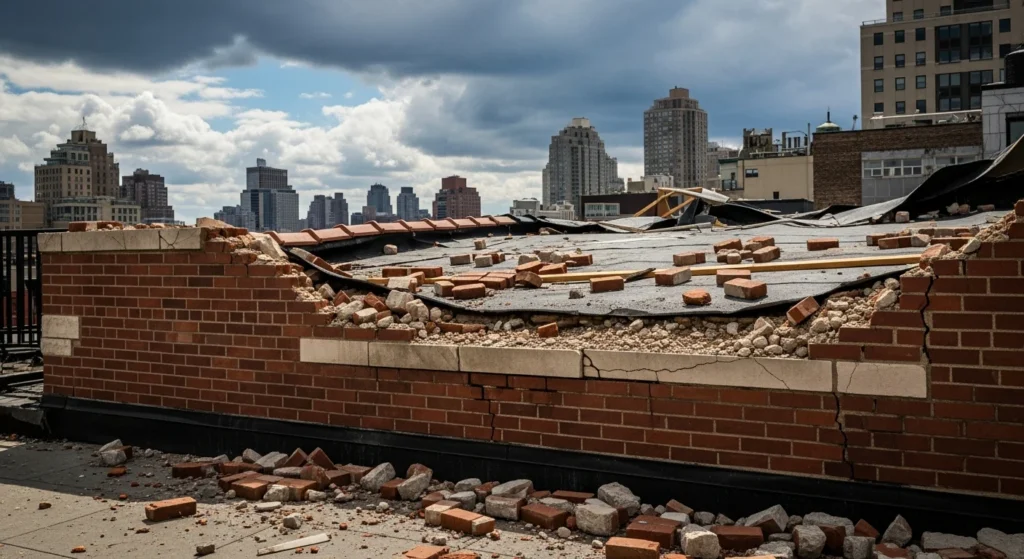
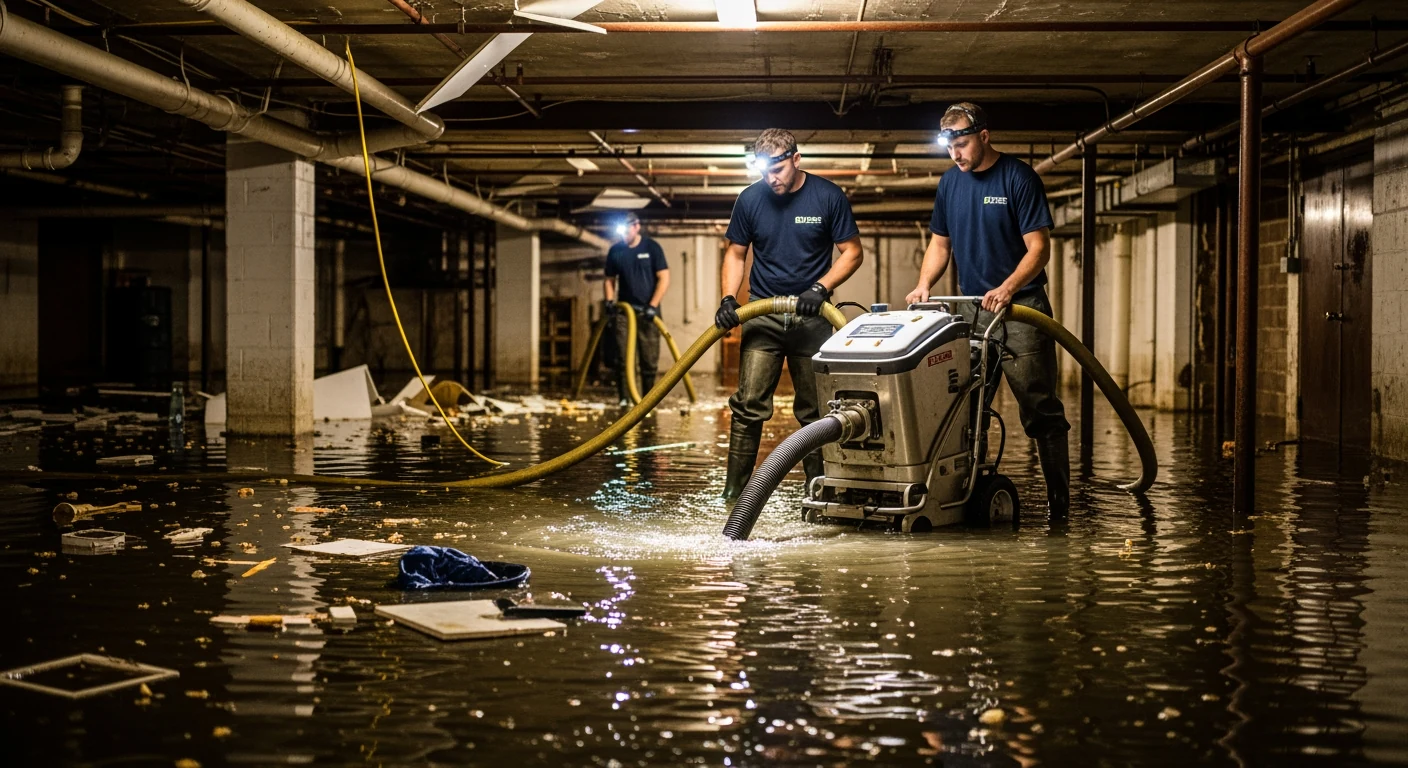
Nor’easters are not extraordinary events on Long Island — they are the baseline storm pattern that defines the island’s weather calendar from October through April. Unlike Atlantic hurricanes, which may or may not track close enough to the island to cause significant damage in any given year, nor’easters occur reliably and frequently, producing roof damage, basement flooding, and pipe failures throughout Nassau County and western Suffolk every season. The Cape Cod, which dominates Nassau’s residential landscape, has specific structural characteristics that make it more vulnerable to nor’easter damage than the average suburban home — and those vulnerabilities are preventable with targeted annual maintenance.
Roof Vulnerability in Original Cape Cods
The original Levittown-era Cape Cod roof has four nor’easter vulnerabilities. First, original 1-inch board decking with gaps between boards rather than plywood sheathing — when shingles fail under wind load, the gaps in the decking allow water intrusion that would be prevented by continuous plywood. Second, original asphalt shingles that are now 20 to 40 years old (through at least one replacement cycle) on a steep 8:12 to 10:12 pitch that creates high wind load on the leading edge. Third, inadequate eave flashing on many original Cape Cods that allows wind-driven rain under the shingle course at the eave. Fourth, dormers with step flashing that has been repaired, patched, and re-patched over decades without systematic replacement — dormers are the most common water intrusion point on Levittown Cape Cods in Upper Restoration’s project data.
Prevention: Annual fall roof inspection by a licensed roofing contractor. Specific attention to dormer step flashing, eave course shingles, and ridge cap condition. Replace before failure rather than patch-and-patch.
Sump Pump and Basement Preparation
Nor’easters drive south shore tidal flooding and interior Nassau groundwater table rise simultaneously — two separate mechanisms that both require an operational sump pump. Before each nor’easter season, confirm pump operation, battery backup function, and discharge line clearance. During an active nor’easter, check the basement every 2 to 4 hours during the peak of the event if conditions allow — early discovery of pump failure limits the flooding scope dramatically.
Pipe Freeze Risk in Nor’easters
Extended nor’easters that bring sustained cold temperatures after initial wind damage can produce pipe freezing in homes where exterior damage has created drafts in previously conditioned spaces. A nor’easter that blows out a dormer window, for example, creates a freezing risk for supply pipes running in the wall cavity below the newly exposed opening. Upper Restoration responds to post-nor’easter pipe freeze events throughout Nassau County — the combination of structural damage from the storm followed by pipe failure during the cold air intrusion period is a recognized damage sequence in Cape Cod restoration.