The Hours After a Fire Are Critical for Your Insurance Claim
The decisions made in the first 24-48 hours after a house fire directly affect the size and speed of your insurance settlement. The insurance claim process has started the moment the fire is extinguished, and how the loss is documented and what actions are taken immediately will shape everything that follows.
Step 1: Call Your Insurance Company Immediately
Your policy requires prompt notification after a covered loss. Call the claims line as soon as it is safe. Provide your policy number and current contact information, ask for a claim number, and ask what your policy requires for emergency mitigation such as board-up and temporary relocation and get written authorization for necessary emergency work. Delays can give insurers grounds to question or reduce claims.
Step 2: Secure the Property Before Anything Else
After a fire your property may be vulnerable to unauthorized entry, weather infiltration, and secondary damage. Most insurance policies require you to take reasonable steps to protect the property from further damage. Emergency board-up and tarping services secure broken windows, compromised doors, and roof penetrations immediately after the fire department releases the scene. This work is typically covered under your policy as a mitigation expense.
Step 3: Document the Damage Comprehensively Before Cleanup
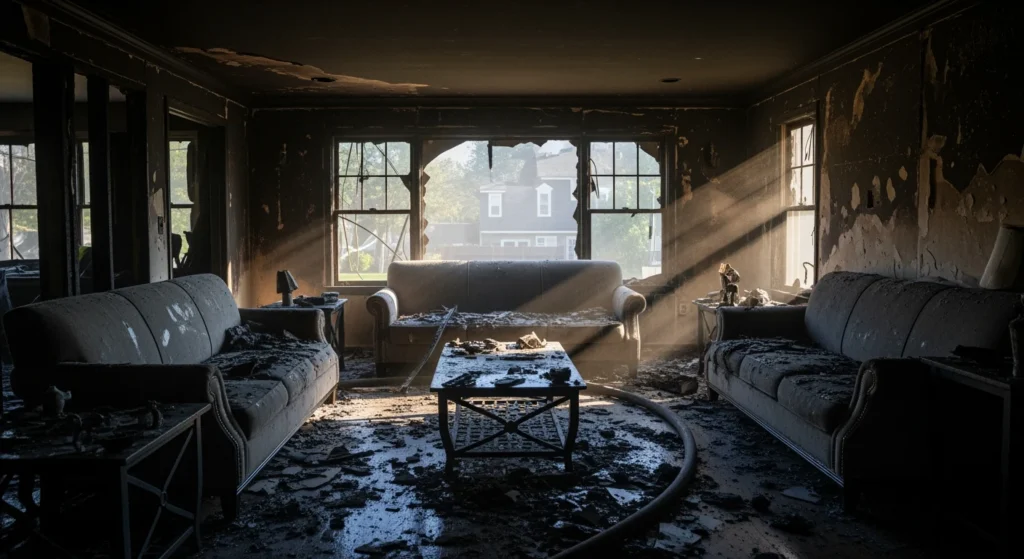
Photograph and video everything before any cleanup, demolition, or mitigation work begins. Your documentation should include the exterior of the property showing all visible damage, every room from multiple angles capturing all visible damage including smoke staining and soot deposition, specific items of personal property that were damaged or destroyed photographed individually, and all structural components that will be demolished before they are opened or removed.
Step 4: Understand the Two-Phase Payment Structure
- ACV (Actual Cash Value) payment: The initial payment reflecting depreciated value of damaged property. For a 20-year-old roof destroyed by fire, ACV will be significantly less than the cost to replace it with a new roof.
- RCV (Replacement Cost Value) supplement: The additional payment received after you complete repairs and submit invoices showing you replaced the damaged items.
Many homeowners accept the ACV check and consider the claim closed. Do not make this mistake. Keep all contractor invoices and submit them for RCV recovery.
Step 5: Working with the Insurance Adjuster
You have the right to be present during all inspections of your property. You can request a copy of the adjuster scope of loss and damage estimate. You can hire a public adjuster to represent your interests typically charging 10-15% of the settlement. If you disagree with the settlement offer, your policy likely includes an appraisal clause allowing each party to hire their own appraiser and have a neutral umpire resolve disputes.
What Adjusters Commonly Miss
- Smoke and soot damage in areas not visibly affected by flames
- Structural components compromised by smoke and heat but not visually obvious
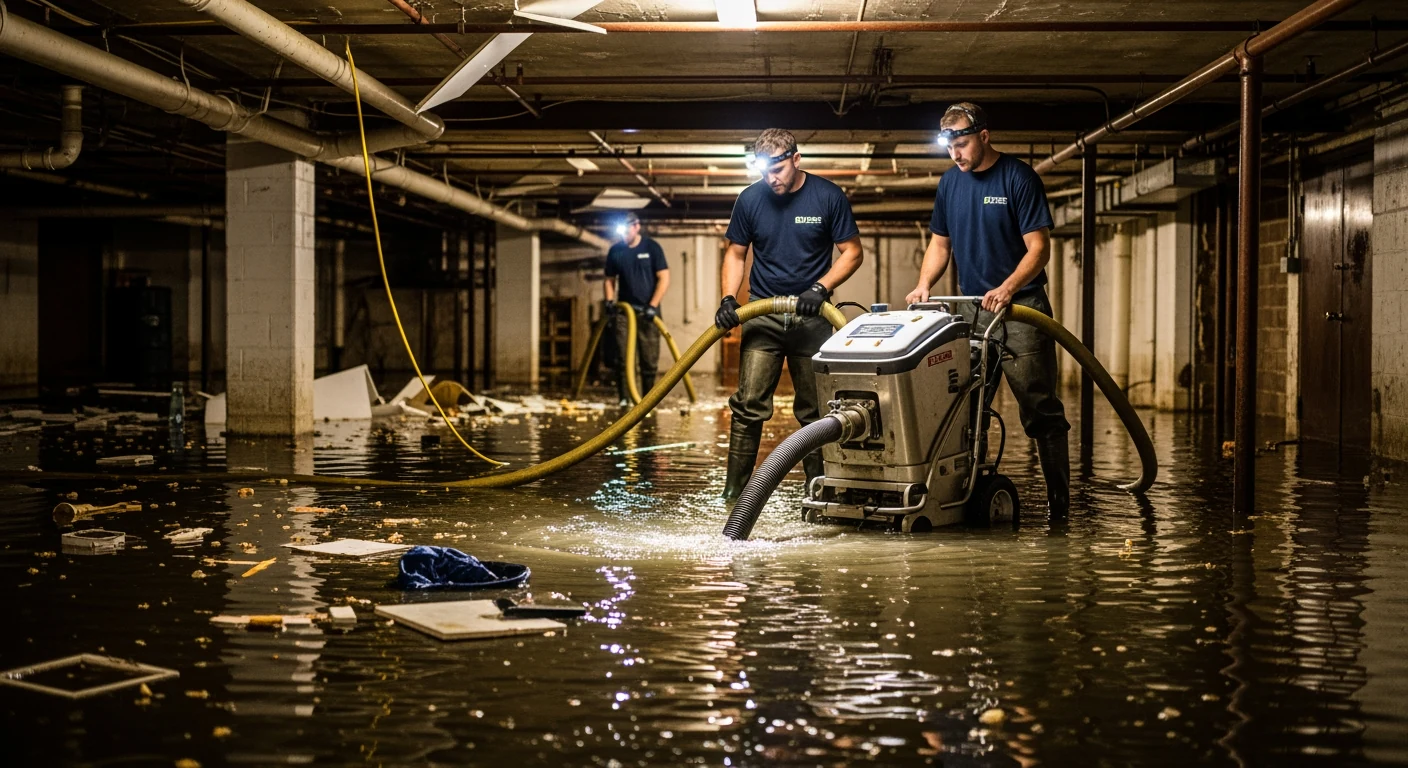
- Hidden water damage from firefighting operations
- Contents that were smoke-damaged or contaminated even if not burned
- HVAC systems that require duct cleaning after smoke damage
Step 6: The Additional Living Expense Benefit
If the fire made your home uninhabitable, your policy likely includes Additional Living Expense coverage reimbursing the cost of temporary housing, meals, and other expenses above your normal living costs during restoration. Keep all receipts for hotel, rental housing, meals above normal food budget, and laundry. ALE is typically capped as a percentage of your dwelling coverage and runs until your home is restored or the coverage limit is exhausted.
Common Mistakes That Reduce Fire Damage Claim Payouts
- Accepting the first settlement offer without reviewing the scope of loss
- Not pursuing RCV supplements after repairs are complete
- Failing to document contents damage individually
- Allowing smoke-damaged areas to be overlooked because they have no visible flame damage
- Not claiming ALE or not keeping ALE receipts
FAQ
How long do I have to file a fire damage insurance claim in New York?
Most homeowners policies require prompt notification. Review your policy notification requirements and err on the side of reporting immediately. Delayed notification is one of the most common grounds insurers use to challenge claims.
What is the difference between ACV and RCV in a fire insurance claim?
ACV is replacement cost minus depreciation. RCV is what it actually costs to replace the item with a new equivalent. Most homeowners policies pay ACV upfront and release the RCV supplement after you complete repairs and submit documentation showing actual replacement cost was incurred.
Should I hire a public adjuster for a fire damage claim in New York?
For claims above $25,000-$50,000, many New York homeowners find that a public adjuster recovers enough additional money to more than offset the adjuster fee. A free consultation with a licensed NYS public adjuster can help you evaluate whether representation makes sense for your specific loss.
Upper Restoration Fire Damage Restoration and Claim Support
Upper Restoration provides emergency board-up, complete fire and smoke damage restoration, and Xactimate-formatted documentation that supports your insurance claim from first call to final settlement. We serve Nassau County, Suffolk County, and all five NYC boroughs. Contact us immediately after a fire.