Why Nassau County Homeowners Face Heightened Mold and Asbestos Risk
Nassau County has a housing stock that skews heavily toward the postwar boom era. Cape Cods, ranches, split-levels, and colonials built between 1945 and 1975 are the exact construction period when asbestos-containing materials were standard and when building practices that create chronic mold problems were the norm. Add Nassau County coastal geography bordered by Long Island Sound and the Atlantic with above-average ambient humidity, significant flooding risk, and aging building stock not designed for the moisture loads it regularly faces.
Where Asbestos Hides in Nassau County Homes
Floor Tiles and Mastic
9×9 and 12×12 vinyl floor tiles and the adhesive beneath them are the single most common ACM in Nassau County homes. Used extensively in kitchens, bathrooms, basements, and utility rooms from the 1940s through the early 1980s. Both the tile and the black or brown adhesive beneath commonly contain chrysotile asbestos. Tiles in good condition are generally safe to leave in place. Tiles that are chipping, crumbling, or that will be disturbed by renovation require testing and potentially licensed abatement.
Pipe Insulation
Older homes with steam or hot water baseboard heating systems often have asbestos-insulated pipes in the basement and in wall cavities. This insulation is frequently in deteriorating condition in homes over 50 years old. Friable pipe insulation is among the highest-risk ACMs in residential settings.
Attic Insulation
Vermiculite insulation, the loose-fill gray or silver granules commonly used in attics, has an extremely high likelihood of asbestos contamination. Vermiculite from the Libby Montana mine, the source of most US vermiculite before 1990, contained significant tremolite asbestos. If your Nassau County home has vermiculite attic insulation, treat it as asbestos-containing until tested.
Textured Ceilings
Popcorn or acoustic textured ceilings applied before 1978 commonly contain chrysotile asbestos. Generally safe if in good condition and left undisturbed, but any sanding, scraping, or water damage that disturbs the texture releases fibers.
Where Mold Hides in Nassau County Homes
Attics
Attic mold is the most common mold problem in Nassau County. The cause is almost always inadequate ventilation combined with bathroom exhaust fans venting into the attic instead of through the roof, or soffit vents blocked by insulation. Warm humid air from the living space condenses on cold roof sheathing creating the moisture mold needs. Attic mold often grows for months before homeowners discover it.
Basements and Crawl Spaces
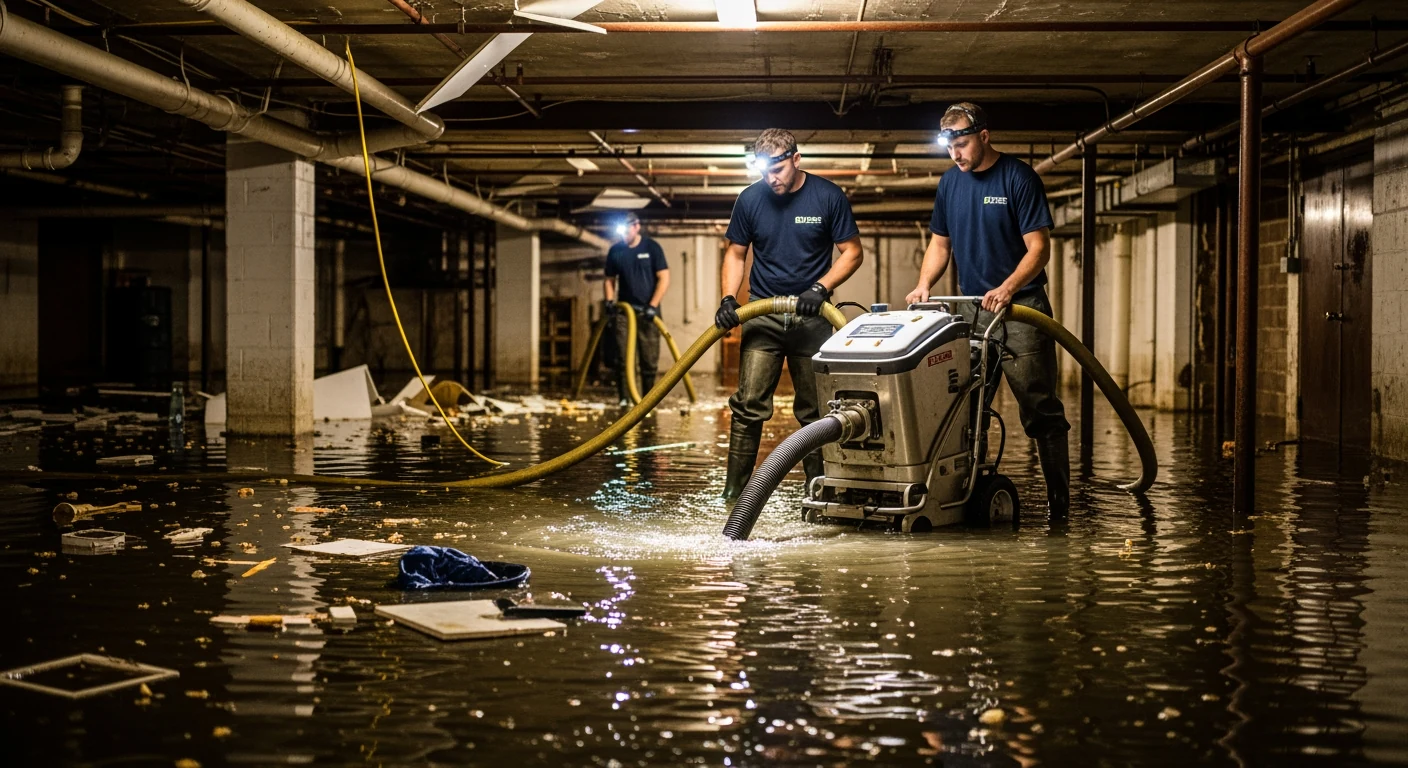
Nassau County water table is relatively high and many homes have finished basements built before effective waterproofing systems. Foundation walls that wick moisture, sump pump systems that fail during storms, and chronic humidity from inadequate vapor barriers create ideal mold conditions in below-grade spaces.
Behind Bathroom Tile
Failed caulk, deteriorated grout, and improperly waterproofed shower surrounds allow water to penetrate behind tile and into drywall which supports mold growth. Often invisible until mold is extensive enough to cause tile to come loose or odors to become noticeable.
2026 Remediation Costs in Nassau County
- Asbestos floor tile removal per sq ft: $5-$12
- Pipe insulation abatement per linear foot: $20-$50
- Attic insulation removal asbestos: $2,000-$8,000
- Attic mold remediation: $1,500-$6,000 depending on extent
- Basement mold remediation: $2,000-$12,000 depending on extent and materials
- Bathroom mold tile tear-out and remediation: $800-$4,000
NYS Licensing: What to Look For When Hiring
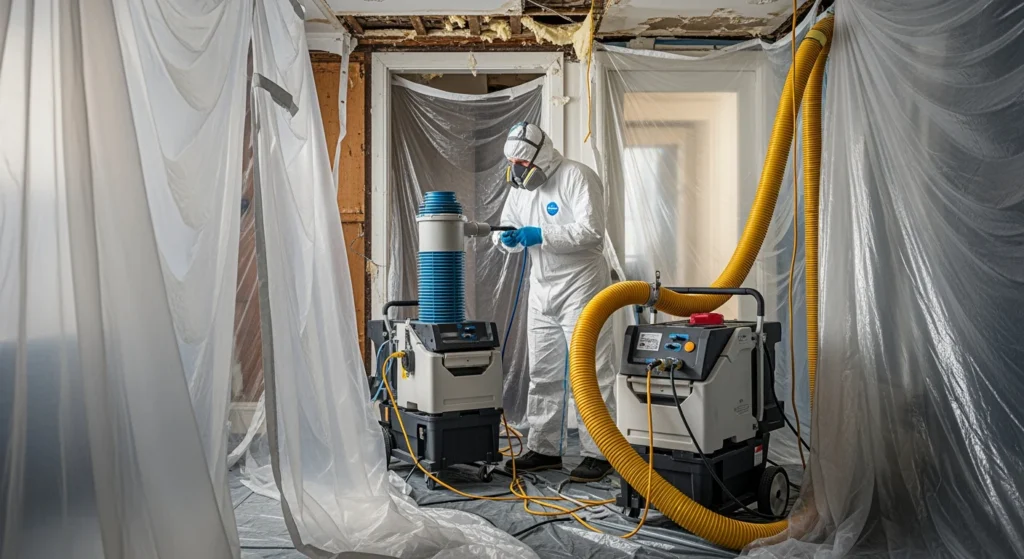
For asbestos abatement require a current NYS DOH Lead and Asbestos Contractor certification. For mold remediation require a current NYS Department of Labor Article 32 Mold Remediation Contractor license. These are separate licenses. Verify licenses at the relevant NYS agency before signing any contract.
FAQ
Do I need a permit for asbestos removal in Nassau County?
For residential projects below the NYS DEC notification threshold no permit is required from a local building department specifically for asbestos removal. The abatement contractor must still follow NYS DOH-regulated work practices and proper disposal protocols. Larger projects meeting DEC notification thresholds require advance notice filing.
Is mold testing required before selling a home in Nassau County?
No, mold testing is not legally required before a home sale in Nassau County. However sellers must disclose known mold conditions. Pre-sale mold testing protects both parties and eliminates disputes after closing.
Can I remove asbestos floor tiles myself in Nassau County?
Homeowners can perform their own asbestos removal from single-family homes in limited circumstances under federal and New York State regulations, but this is strongly discouraged. Licensed abatement contractors ensure safe removal, proper disposal, and documentation that matters for insurance and future real estate transactions.
Upper Restoration Serves All of Nassau County
Upper Restoration provides licensed asbestos abatement and mold remediation to Nassau County homeowners and property managers. We serve all Nassau County communities from Hempstead and Valley Stream to Great Neck, Garden City, and Oyster Bay. Contact us for a property assessment.