The Long Island Climate: Why Geography Drives Fungal Growth
Long Island’s geographic position creates a unique set of environmental challenges for property owners. Surrounded by the Atlantic Ocean, Long Island Sound, and various bays, the region experiences persistent marine humidity, fluctuating water tables, and severe seasonal shifts. These factors combine to create an environment where fungal growth can thrive if moisture control is not strictly maintained. Whether dealing with a finished basement in Massapequa or a beachfront property in Montauk, understanding the specific environmental triggers is the first step in effective mold removal long island property owners can rely on.
Fungal spores are ubiquitous in the natural environment, but they require specific conditions to colonize indoor materials: a food source (cellulose materials like wood, paper, or drywall), optimal temperatures (typically between 60°F and 80°F), and moisture. In Long Island, that moisture often comes from ambient humidity exceeding 60%, condensation on cold surfaces during the winter, or direct water intrusion from intense coastal storms. Effective mitigation requires addressing both the visible growth and the underlying moisture failure.
Region-Specific Vulnerabilities: From the Gold Coast to the East End
The risks and causes of fungal contamination vary significantly depending on where a property is located on the island. Construction styles, soil composition, and occupancy patterns all play a role in how moisture interacts with a building’s envelope. Effective mold removal long island projects must factor in these local micro-climates.
South Shore Mold and High Water Tables
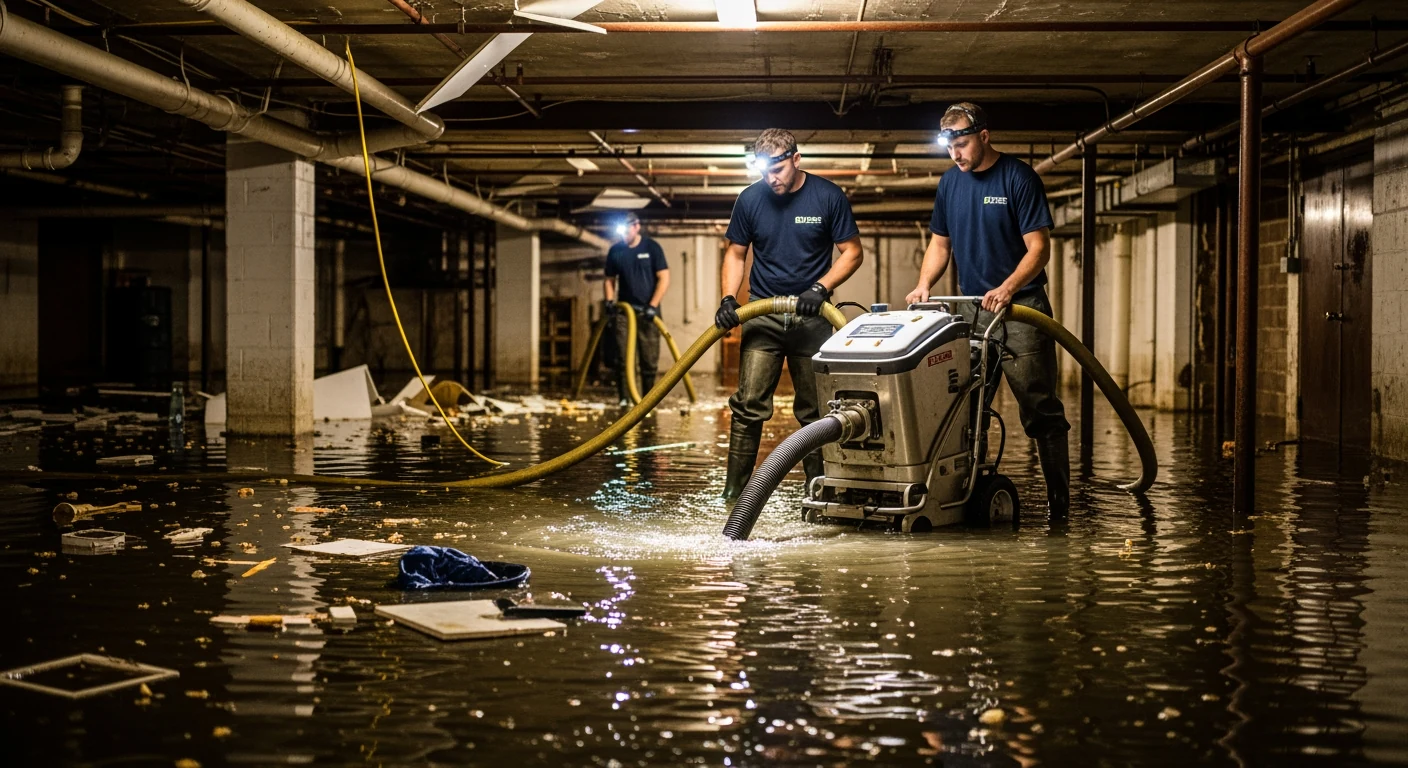
Properties along the southern coast of Long Island face continuous pressure from high water tables and coastal weather systems. Communities in these areas often experience ground moisture wicking up through concrete foundations, a process known as capillary action. When basements or crawlspaces lack proper vapor barriers and dehumidification, this chronic dampness leads to widespread colonization on floor joists and the lower sections of drywall. Addressing south shore mold often requires more than just source removal; it typically involves upgrading drainage systems, installing commercial-grade dehumidifiers, and applying encapsulants to structural framing to prevent recurrence.
The Hamptons and Winter Vacancy Cycles
The East End presents a distinct set of challenges, primarily driven by occupancy patterns. Many properties are utilized primarily as summer residences and are winterized or minimally heated during the off-season. When a house sits vacant with limited air circulation and the HVAC system turned off, stagnant air and natural humidity fluctuations create ideal conditions for dormant spores to activate. It is highly common to open a home in the spring only to discover significant hamptons mold issues behind furniture, inside closets, or along exterior-facing walls where winter condensation occurred. Consistent climate control and remote humidity monitoring are essential preventative measures for these properties.
North Fork Farmhouses and Crawlspaces
On the North Fork, the housing stock includes many older farmhouses and historic properties. These homes frequently feature dirt-floor crawlspaces or fieldstone foundations that allow ground moisture to freely evaporate into the building envelope. This constant upward migration of moisture, combined with older, uninsulated ductwork, frequently results in sub-floor contamination. Managing north fork mold in these environments usually requires comprehensive crawlspace encapsulation and targeted ventilation upgrades alongside standard IICRC remediation protocols.
New York State Article 32: Understanding Your Legal Protections
In 2016, New York State implemented Article 32 of the Labor Law, which fundamentally changed how remediation operates within the state. The primary objective of this legislation is consumer protection, explicitly prohibiting the same company from performing both the initial assessment and the subsequent remediation on the same project. This prevents conflicts of interest and ensures that property owners are not sold unnecessary services.
Before any physical removal begins, the law requires an independent, licensed Mold Assessor to inspect the property, conduct necessary testing, and write a detailed Mold Remediation Plan. Only after this plan is established can a licensed remediation contractor begin the work. Once the project is complete, the independent assessor must return to perform post-remediation verification (clearance testing) to certify the area is safe. For residents seeking reliable mold remediation nassau county or Suffolk County, verifying that a contractor strictly adheres to Article 32 is non-negotiable. Upper Restoration operates in full compliance with these state regulations, working closely with independent environmental professionals to guarantee transparent and legally sound mitigation.
The IICRC S520 Standard: The Science of Professional Eradication
Professional remediation is a highly technical process governed by the Institute of Inspection, Cleaning and Restoration Certification (IICRC) S520 Standard for Professional Mold Remediation. This standard defines the industry-accepted protocols for safely and permanently removing fungal contamination from a structure.
Attempting to remove colonies with household chemicals or untrained labor frequently exacerbates the problem, dispersing microscopic spores throughout the HVAC system and cross-contaminating previously clean areas of the home. When executing the rigorous mold removal long island properties demand, professional firms follow a strict sequence of controlled operations to ensure thorough eradication. For a successful mold removal suffolk project, the following steps are mandatory:
- Engineering Controls and Containment: Before any work begins, the affected area is completely isolated using heavy-duty polyethylene sheeting. Critical barriers are established over vents, doorways, and electrical outlets.
- Negative Air Pressure: Commercial Air Filtration Devices (AFDs) equipped with HEPA filters are utilized to establish negative air pressure within the containment zone. This ensures that when materials are disturbed, airborne spores are captured rather than migrating into clean zones.
- Controlled Demolition and Physical Removal: According to the S520 standard, porous materials that are heavily contaminated (such as drywall, insulation, and carpeting) must be physically removed and disposed of. Fungal roots (hyphae) penetrate these materials, making topical cleaning ineffective.
- Abrasive Cleaning of Semi-Porous Materials: Structural elements like wood framing and concrete cannot be removed. Instead, they are subjected to abrasive cleaning techniques—such as HEPA vacuuming, wire brushing, or media blasting—to strip away the biofilm and surface growth.
- Antimicrobial Application: Once physical removal is complete, professional-grade antimicrobial agents are applied to the remaining structural surfaces to eliminate residual microscopic spores.
- Structural Drying: The final and most critical step is addressing the moisture source. Industrial dehumidifiers and air movers are deployed to return the structural materials to their dry standard (typically below 15% moisture content for wood), ensuring the environment cannot support future growth.
Common Construction Vulnerabilities in Nassau and Suffolk
The architectural diversity across the island means that specific construction styles present unique vulnerabilities. In older communities, basements were rarely designed to be finished living spaces. Converting these areas often involves installing fiberglass insulation and drywall directly against foundation walls without adequate vapor barriers. When hydrostatic pressure pushes moisture through the porous concrete, it becomes trapped behind the drywall, creating an invisible, highly active breeding ground.
Similarly, the widespread use of central HVAC systems in post-war suburban developments poses a significant cross-contamination risk. If growth occurs near an intake register or within a damp supply plenum, the ductwork can act as a distribution network, spreading spores to every room in the house. When executing mold remediation nassau county projects, assessing the HVAC system and determining if professional duct cleaning or replacement is required is a standard part of the protocol. Failing to address contaminated ductwork will inevitably lead to a failed post-remediation clearance test.
Even modern construction is not immune. Highly energy-efficient homes are built with extremely tight envelopes to minimize heat loss. While excellent for energy bills, this lack of natural ventilation means that indoor moisture generated from cooking, showering, and occupancy cannot easily escape. Without mechanical ventilation systems like Energy Recovery Ventilators (ERVs), this trapped moisture can quickly elevate indoor humidity levels above the critical 60% threshold, necessitating comprehensive mold removal suffolk professionals are frequently called to address.
The Risks of Delayed Mitigation: Structural and Financial Impacts
When moisture issues are ignored or improperly treated, the consequences extend far beyond superficial staining. Wood-decay fungi, commonly associated with prolonged water exposure, can severely compromise the structural integrity of a building. The hyphae physically break down the cellular structure of wood framing, subflooring, and joists. What begins as a localized air quality issue can quickly escalate into a major structural repair project requiring temporary shoring and the replacement of load-bearing elements.
From a financial perspective, delayed mitigation exponentially increases the cost of recovery. Fungal colonies can spread at an alarming rate—often doubling in size every few days under optimal conditions. The larger the affected area, the more extensive the required containment, the greater the volume of materials that must be demolished, and the higher the disposal costs. Furthermore, when executing mold removal long island real estate transactions often hinge on clean environmental reports. Properties with documented, unmitigated fungal issues routinely fail buyer inspections, leading to cancelled contracts or severe price reductions. Timely, professional intervention preserves not just the physical structure, but the financial value of the asset.
Navigating Insurance Claims for Fungal Damage
Understanding how homeowners insurance interacts with fungal damage is a complex process. Standard insurance policies rarely cover the removal of colonies if the growth is the result of long-term neglect, high ambient humidity, or gradual seepage (such as a slow pipe leak that went unnoticed for months). This is why addressing south shore mold caused by chronic ground moisture is almost always an out-of-pocket expense.
However, if the contamination is the direct result of a sudden, accidental, and covered peril—such as a burst pipe, an overflowing appliance, or storm-driven water intrusion—the resulting damage is frequently covered. In these scenarios, the remediation is treated as an extension of the initial water damage claim.
Property owners must also be aware of “mold caps” or endorsements within their policies. Many carriers limit coverage for fungal remediation to specific amounts, commonly ranging from $10,000 to $25,000, regardless of the overall cost of the water damage claim. Furthermore, “loss of use” coverage (which pays for temporary housing if the home is uninhabitable) may or may not apply depending on how the initial cause of loss is classified by the adjuster. Upper Restoration provides detailed, line-item estimates formatted in Xactimate (the industry-standard estimating software) to help homeowners clearly communicate the scope of required mold removal long island carriers expect to see, minimizing friction during the claims process.
Frequently Asked Questions
How long does the remediation process typically take?
The timeline depends entirely on the scope of the contamination. A localized issue in a single bathroom might be resolved in two to three days. However, large-scale projects, such as a fully contaminated basement or an extensive hamptons mold issue affecting multiple floors, can take one to two weeks of active containment and structural drying. The independent post-remediation verification testing also adds 48 to 72 hours to the final timeline as lab results are processed.
Can I stay in my home while the work is being performed?
In many cases, yes. If the contamination is isolated to a specific area (like a basement or an attic) and our technicians can establish secure containment and negative pressure, the rest of the property remains safe for occupancy. However, if the contamination affects primary living spaces, HVAC systems, or if occupants have compromised immune systems, temporary relocation is highly recommended.
Do you use bleach to kill the spores?
No. The IICRC S520 standard strictly advises against using bleach on porous or semi-porous materials like wood and drywall. Bleach primarily consists of water; while the chlorine may bleach the surface color, the water content absorbs into the material, often feeding the root system and causing the colony to return stronger. Professional remediation relies on physical removal, HEPA filtration, and EPA-registered antimicrobial treatments.
Will my insurance cover the cost of the independent assessor?
If the overarching water damage claim is approved, the cost of the initial assessment, the protocol writing, and the clearance testing is typically covered under the claim, subject to your policy’s deductibles and mold endorsements. However, it is always advisable to review your specific policy declarations with your adjuster.
Consultation and Support from Upper Restoration
Discovering fungal contamination in your home or business requires a swift, methodical, and scientifically sound response. Attempting shortcuts or hiring contractors who ignore New York State regulations puts both your property and your liability at risk. Upper Restoration operates with absolute transparency, adhering to Article 32 laws and executing all physical work to strict IICRC S520 guidelines.
From establishing the initial containment to navigating complex insurance documentation, our focus is on returning your property to a safe, pre-loss condition with measurable, verified results. If you suspect an issue in your property, trust the experts in mold removal long island residents have relied on for rigorous, code-compliant mitigation. Contact Upper Restoration to discuss your situation and coordinate with an independent environmental professional today.