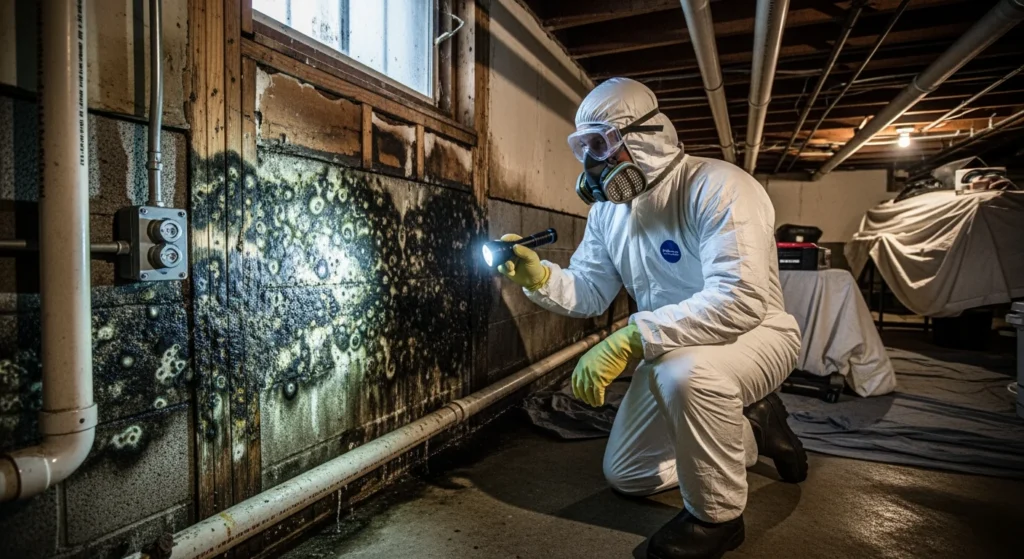
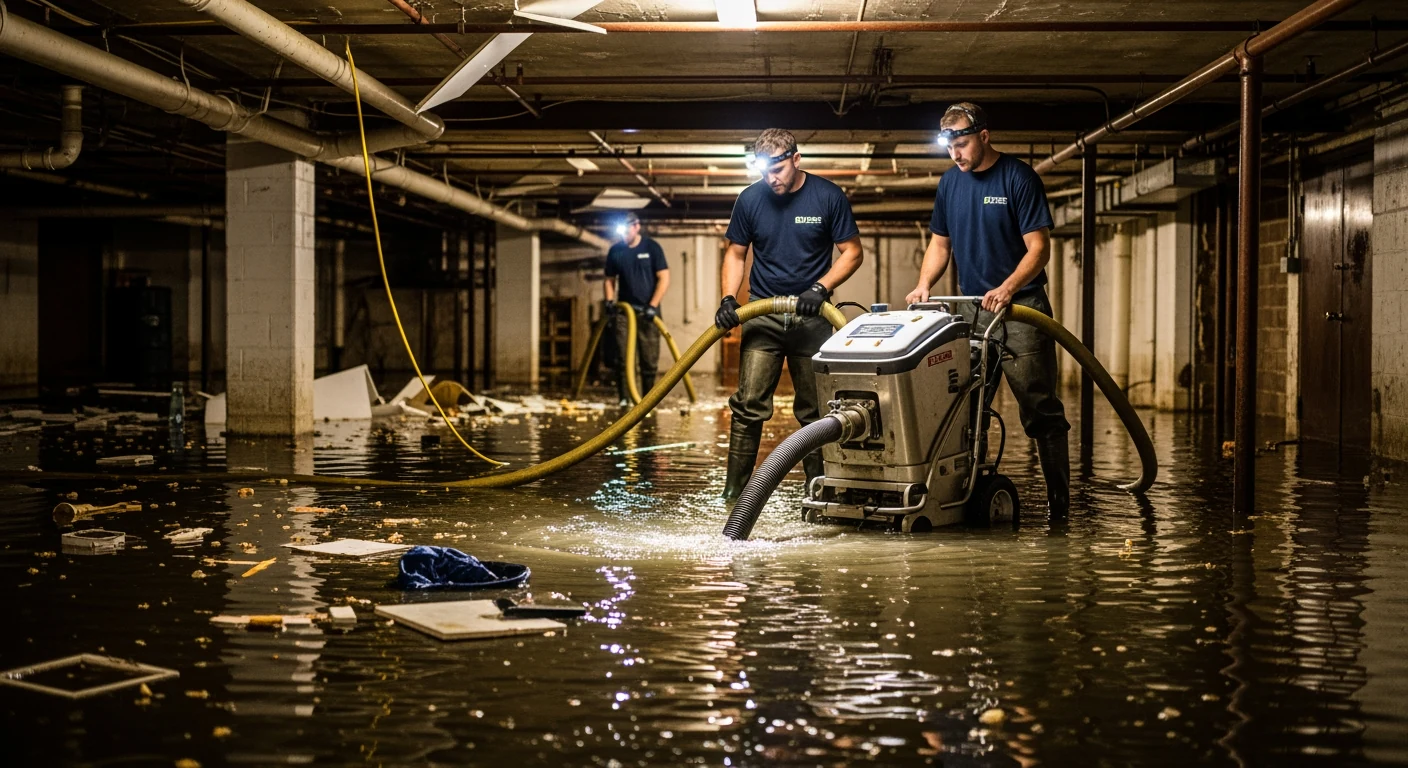
The Town of Southampton presents Long Island’s widest mold remediation spectrum within a single township. On one end: the oceanfront and bayfront estates of Southampton Village, Bridgehampton, and Quogue — extremely high-value seasonal construction where undiscovered vacancy losses and post-hurricane mold are the dominant scenarios. On the other: Hampton Bays, Flanders, and the inland communities where recurring Shinnecock Bay flooding, aging 1950s–1970s housing stock, and limited remediation resources create the same accumulated moisture and mold pattern seen in Babylon and Islip’s less affluent coastal communities. These two ends of the spectrum require fundamentally different approaches — one prioritizing high-value finish preservation and historic consultation, the other prioritizing comprehensive structural remediation on a budget that is realistic for working homeowners. For the regulatory framework, see the Long Island Mold Remediation Master Guide.
Hampton Bays and Flanders: Recurring Shinnecock Mold
Hampton Bays’ proximity to Shinnecock Inlet and the tidal connections between Shinnecock Bay, Moriches Bay, and the Atlantic create a south shore flooding pattern that produces recurring moisture events in the township’s south shore communities. Hampton Bays’ housing stock — predominantly 1950s–1970s modest construction — is the correct age to carry pre-1980 building material risk (asbestos in floor tiles and joint compound, lead paint throughout) alongside the mold risk from recurring flooding. Mold remediation in Hampton Bays must integrate asbestos protocol planning: any drywall removal in a pre-1980 Hampton Bays home triggers bulk asbestos sampling requirements before demolition proceeds, which adds scope and cost to the remediation timeline.
Flanders, on the north side of Southampton adjacent to Riverhead, carries the freshwater mold risk common to communities near the Peconic Estuary headwaters — not coastal surge, but high water table and poor drainage in lower-elevation inland positions. Flanders’ modest housing stock is less frequently discussed in the context of Hamptons mold, but the remediation demand is real and consistent.
Westhampton and the Sandy Barrier Island Legacy
Westhampton Beach’s barrier island community experienced some of the most severe Sandy flooding in Long Island — a full barrier breach occurred east of Moriches Inlet. For mold purposes, the Westhampton communities that were flooded by Sandy-level surge events face the same hidden mold legacy as Babylon’s south shore: Category 3 bay water contamination in assemblies that may have been surface-treated rather than fully demolished and remediated. Westhampton’s housing stock includes a mix of modest post-war cottages (with limited remediation resources) and newer high-value barrier island construction (with more comprehensive post-storm response). Both categories exist in Westhampton Beach, and both require the same Article 32 framework for any mold remediation of 10 square feet or more.
Cost Benchmarks
- Southampton Village or Bridgehampton high-value vacancy mold: $30,000–$120,000+ for extensive vacancy-period mold in high-value seasonal construction.
- Hampton Bays south shore recurring flood mold (pre-1980 stock): $8,000–$25,000 plus $800–$2,500 for required asbestos bulk sampling in pre-1980 construction.
- Westhampton Beach Sandy legacy mold: $10,000–$30,000 for Category 3 protocol legacy mold remediation.