The Town of Islip’s mold remediation landscape is as geographically diverse as the township itself — the third-largest in New York State. Bay Shore and East Islip on the south shore carry the post-Sandy hidden mold legacy that defines western Suffolk’s coastal communities. Brentwood and Central Islip in the interior present the island’s most complex multi-family mold remediation environment, where a single moisture event in a shared building system can initiate mold in multiple units simultaneously. The Connetquot River watershed creates inland freshwater flooding that produces different mold risk than the bay water events on the coast. For the regulatory framework, see the Long Island Mold Remediation Master Guide.
Bay Shore South Shore: Category 3 Legacy Mold
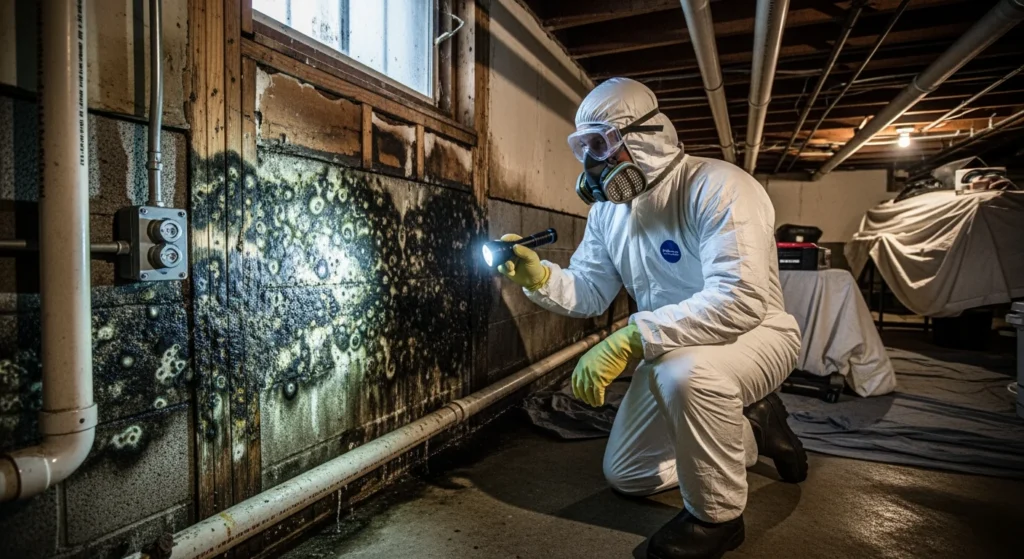
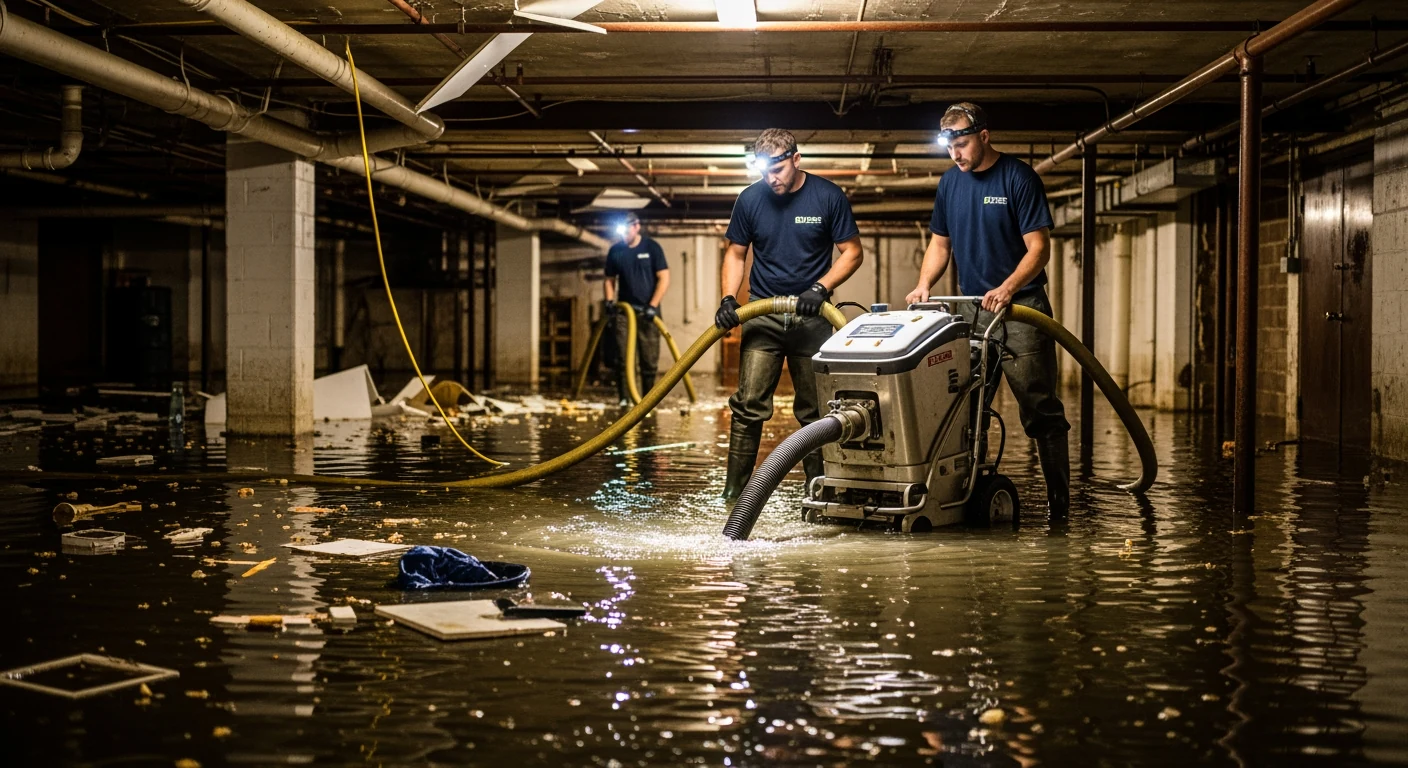
Bay Shore’s south shore communities — the neighborhoods between Sunrise Highway and Great South Bay — experienced storm surge flooding during Sandy and in subsequent storm events that repeatedly wetted basement and first-floor assemblies with Category 3 contaminated bay water. Category 3 mold is not simply more mold — it is mold growing in assemblies that were simultaneously contaminated with pathogenic microorganisms from sewage-bearing bay water. Standard mold remediation protocols for clean-water mold events are insufficient for Category 3 legacy mold: the structural surfaces must be decontaminated to eliminate both the mold and the underlying microbial contamination before reconstruction. Upper Restoration applies IICRC S500 Category 3 protocols to all Bay Shore south shore mold projects that have a documented or suspected connection to storm surge events.
Brentwood and Central Islip: Multi-Family Mold Complexity
Brentwood is one of the most densely populated communities in Suffolk County, with approximately 60,000 residents and a housing stock that includes a significant proportion of multi-family rental units. Multi-family mold events follow a different pattern from single-family residential: a pipe failure or roof leak in a multi-family structure affects shared wall assemblies, floor-ceiling assemblies between units, and HVAC systems that may distribute mold spores across multiple units from a single moisture source. When Upper Restoration identifies mold in one Brentwood multi-family unit, the Article 32 assessment scope typically requires inspection of adjacent units and shared assemblies to determine the full extent of contamination before the work plan can be written.
Central Islip’s housing stock includes significant mid-century two-family construction — homes built as legal two-family dwellings in the 1960s and 1970s with shared central heating systems. In these structures, a mold event driven by a duct leak or shared plumbing failure affects the entire structure, requiring a coordinated remediation that addresses both units simultaneously.
Cost Benchmarks
- Bay Shore south shore Category 3 legacy mold (wall cavity, post-flooding): $10,000–$30,000 for full Category 3 protocol mold remediation including decontamination of structural surfaces contaminated by sewage-bearing bay water.
- Brentwood multi-family mold (2–4 units affected by shared assembly): $15,000–$45,000 for multi-unit scope with coordinated Article 32 assessment covering all affected units and shared assemblies.
- Hauppauge or Bohemia single-family (standard interior scope): $3,500–$10,000 for standard residential mold in older construction.