East Hampton’s mold remediation profile diverges from the rest of Long Island in one critical way: the dominant mold scenario here is not the storm event, the failed pipe discovered quickly, or the attic ventilation problem noted during a home sale inspection. It is the undiscovered vacancy loss — the roof leak that began in November after the owners closed the house, the heating system that lost a zone in January and was found in May, the slow foundation seepage that wet a finished basement room for an entire winter. In a market where a significant proportion of the housing stock sits empty from Columbus Day through Memorial Day, these vacancy losses are not edge cases — they are a recurring and predictable segment of the mold remediation workload. For the regulatory framework, see the Long Island Mold Remediation Master Guide.
The Vacancy Mold Problem: Why Six Months Changes Everything
Standard mold remediation scope is determined by how long moisture has been present before discovery. A pipe failure discovered within 24 hours produces water damage but rarely significant mold. The same failure discovered after a weekend produces early-stage mold requiring aggressive drying and preventive antimicrobial treatment. Discovered after a month, the mold has colonized the drywall paper faces throughout the affected area. Discovered after six months — the typical vacancy gap in East Hampton’s seasonal market — the mold has penetrated behind finished surfaces, colonized framing and insulation, and in some cases has produced structural wood decay that goes beyond mold remediation into structural repair territory.
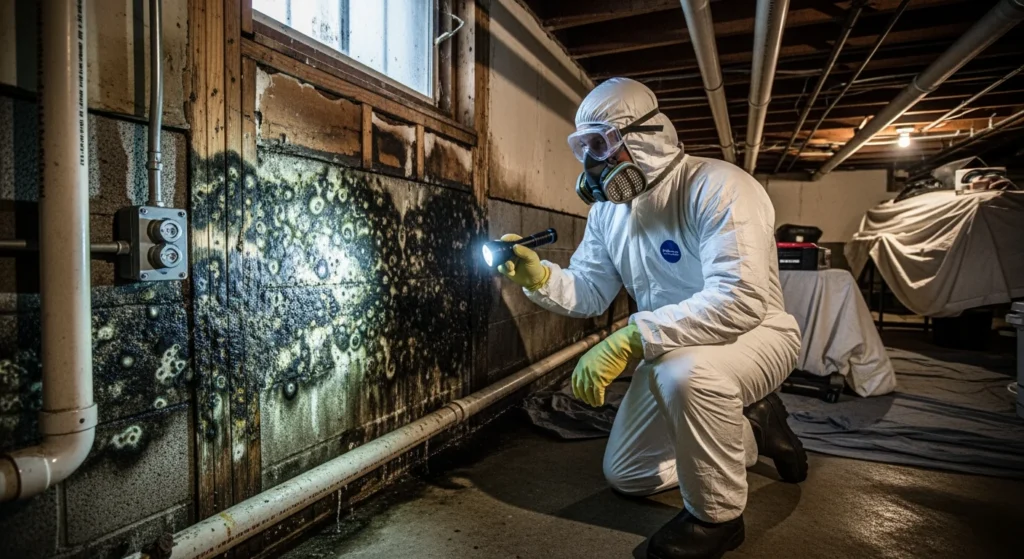
The mold species encountered in East Hampton vacancy losses is typically Penicillium/Aspergillus in drier areas and Stachybotrys chartarum — black mold — in areas that experienced sustained wetness rather than cyclical moisture. Stachybotrys is the most serious residential mold concern because its mycotoxin production at chronic moisture levels creates health risks beyond standard mold exposure. It requires the strictest Article 32 remediation protocols, including full containment, HEPA air scrubbing, and clearance air testing before reconstruction.
Historic East Hampton Village: Preservation-Sensitive Mold Scope
The historic structures in East Hampton Village’s protected historic district require mold assessment and remediation approaches that navigate the tension between thorough remediation and historic preservation. The Article 32 licensed assessor’s work plan must specify remediation methods that eliminate mold while preserving original historic materials wherever structurally and hygienically possible. Demolition of original 18th or 19th-century timber framing, original plaster, or historic finish materials requires coordination with the village’s Historic Preservation Commission. Upper Restoration’s East Hampton work plans include historic preservation consultations as a standard component when the project involves protected structures.
Hurricane Season Mold Risk
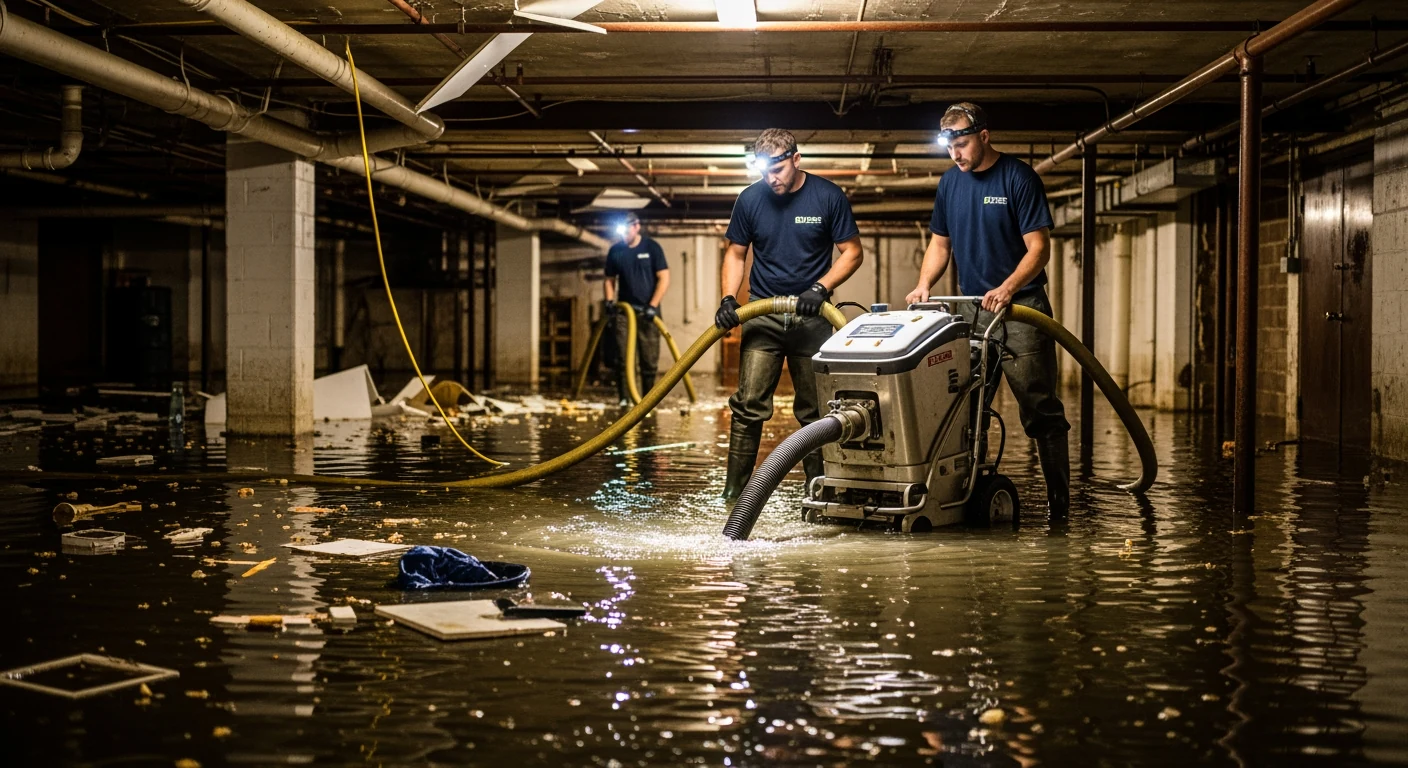
East Hampton’s direct Atlantic hurricane exposure creates a post-storm mold risk that western Long Island communities face less frequently. A direct hurricane hit that drives rain through window and roof assemblies can initiate mold in high-value East Hampton homes within 24 to 48 hours if the structure is not promptly stabilized. Because East Hampton is frequently evacuated during major storm warnings, the post-storm period — when stabilization, extraction, and structural drying should begin immediately — may be further delayed by road closures and recovery access limitations.
Cost Benchmarks
- High-value seasonal home — six-month undiscovered vacancy mold: $35,000–$150,000+ for comprehensive remediation including Stachybotrys protocol, structural assessment, contents inventory, and full Article 32 assessment and clearance. The range is wide because the extent of undiscovered mold in a high-value home over six months can include multiple rooms, HVAC contamination, and structural wood decay.
- Historic village structure — targeted mold remediation with preservation protocol: $15,000–$55,000 depending on extent and historic preservation requirements.
- Standard East Hampton seasonal home — single-event discovery, limited scope: $4,000–$12,000 for standard Article 32 residential scope when discovered promptly.