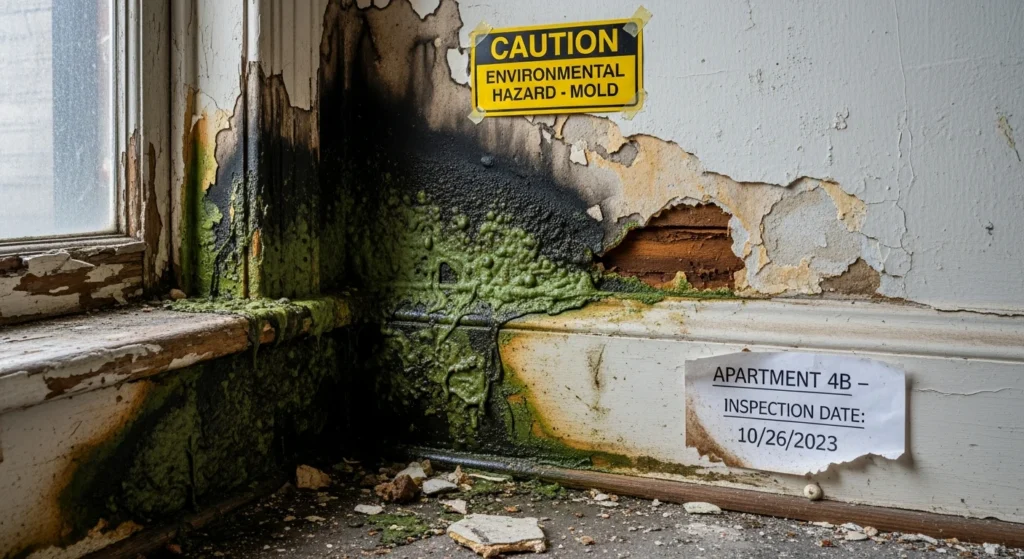
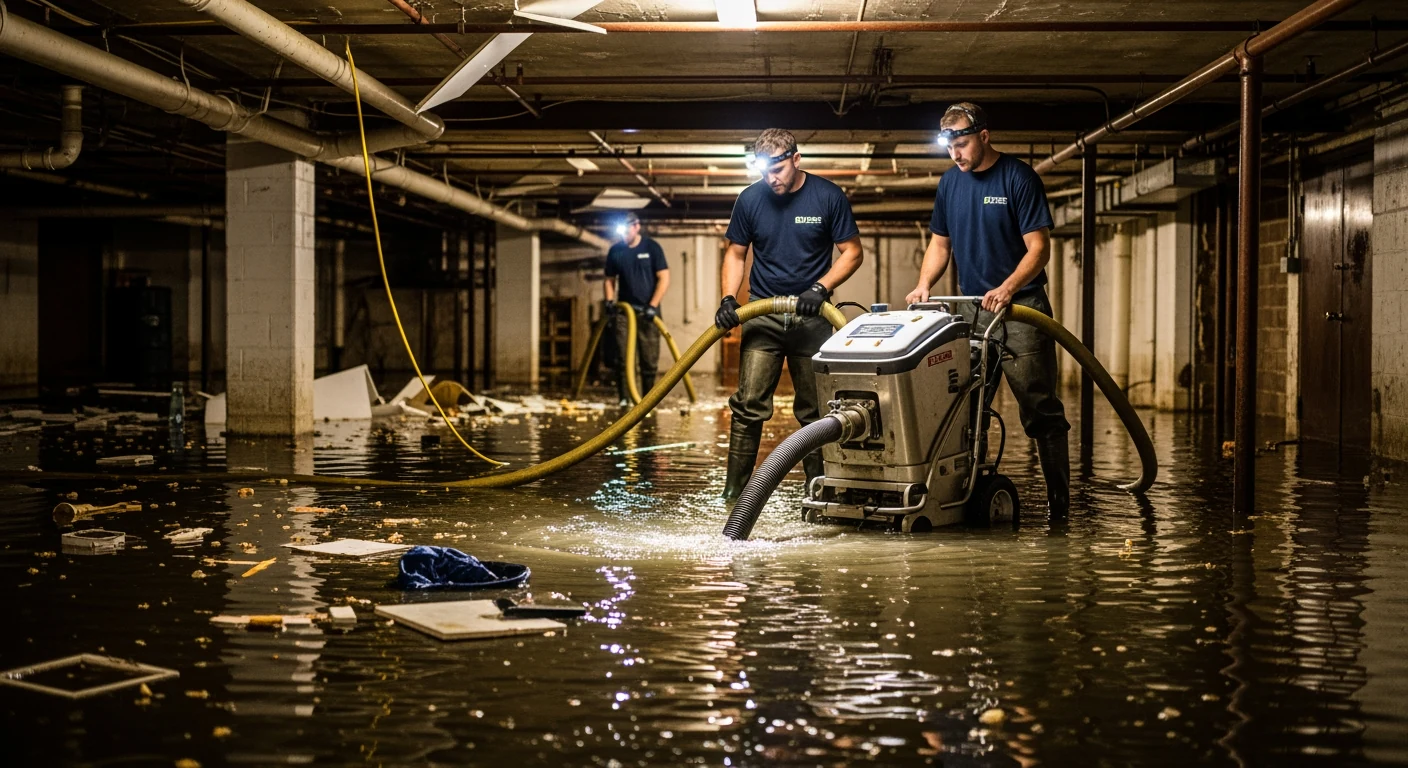
Shelter Island is Long Island’s mold remediation outlier — not because its mold risk is fundamentally different from the rest of the island, but because its geographic isolation amplifies every mold risk factor simultaneously. The island’s complete encirclement by Peconic Bay waters means ambient relative humidity on Shelter Island is consistently higher than on the Long Island mainland throughout the year. The maritime air never loses its moisture source — water surrounds the island on all sides — and the result is an ambient humidity environment that makes mold initiation easier and drying harder than any other Long Island community. For the regulatory framework, see the Long Island Mold Remediation Master Guide.
Ambient Humidity: Shelter Island’s Baseline Mold Risk
Standard structural drying protocols target 72 hours to achieve below-15-percent moisture readings in affected materials. On the Long Island mainland, this timeline is achievable with appropriate LGR dehumidifier placement because the ambient air outside the building has a vapor pressure gradient that supports evaporation from structural materials. On Shelter Island in summer, the ambient outdoor air at 80-85 percent relative humidity reduces the vapor pressure gradient available for drying — dehumidifiers must work harder, drying timelines extend, and the window between “wet enough to support mold” and “dry enough to prevent mold” is narrower than anywhere else on the island. Mold remediation contractors who apply mainland drying timelines to Shelter Island projects without adjusting for the ambient humidity differential are likely to return for a mold discovery that the inadequate drying timeline produced.
Historic and Seasonal Housing: The Double Vulnerability
Shelter Island’s housing stock combines both of the East End mold risk factors simultaneously: historic structures from the 19th and early 20th centuries (concentrated in Shelter Island Heights and Dering Harbor) that lack modern moisture management, and a significant seasonal population that leaves properties vacant for extended winter periods. A historic cottage in Shelter Island Heights — original wood shingle construction, plaster walls, fieldstone foundation — left vacant from October through May without active monitoring carries the highest mold accumulation risk per square foot of any residential building type on Long Island. The combination of historic construction, maritime ambient humidity, winter vacancy, and ferry-delayed emergency response produces mold losses at Shelter Island that are routinely more extensive than comparable mainland properties.
The Ferry Constraint on Mold Response
Emergency mold response — or ideally, emergency water damage response before mold initiates — requires ferry transit to Shelter Island. Commercial dehumidifiers and air movers must cross on the North Ferry (Greenport) or South Ferry (North Haven), subject to ferry scheduling and vessel capacity for large equipment. During weather events that suspend ferry service, emergency response is impossible until the ferries resume. Shelter Island property owners who experience water damage during a storm event face a potential 24 to 48-hour gap between the moisture event and the earliest possible professional response — a gap in which mold initiation is essentially guaranteed in a high-ambient-humidity environment.
Cost Benchmarks
- Shelter Island seasonal home vacancy mold: $15,000–$80,000+ with ferry mobilization premium. Extended vacancy losses in the island’s maritime ambient humidity environment are consistently more extensive than mainland equivalents from the same duration moisture exposure.
- Historic Heights or Dering Harbor structure mold: $10,000–$45,000 with preservation protocol and ferry premium.
- Standard residential scope, promptly discovered: $4,500–$14,000 including ferry mobilization. The ferry premium applies to all Shelter Island projects regardless of scope.
See also: Hazardous Material Remediation on Long Island