You Found Mold in Your NYC Apartment. Now What?
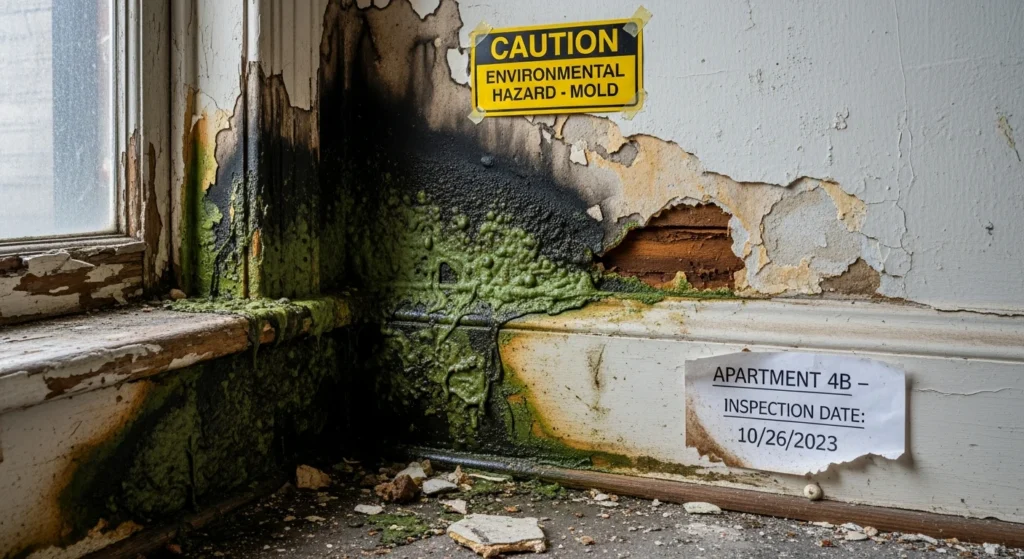
Mold in a New York City rental apartment is one of the most common housing complaints and one of the most frequently mishandled. Landlords paint over it. Management companies blame tenants for improper ventilation. The mold comes back, spreads, or gets worse. Meanwhile tenants are breathing elevated spore concentrations in their own home. New York City law is on your side here if you know how to use it.
Step 1: Document Everything Before You Call Anyone
- Photograph all visible mold with flash from multiple distances including context shots showing which wall or room
- Note the date of first discovery
- Document associated conditions such as water staining, peeling paint, or evidence of the moisture source
- Keep a personal log of any physical symptoms that began or worsened after the mold appeared
Step 2: Notify Your Landlord in Writing
Send written notice to your landlord or management company by email with read receipt or certified letter that includes the date of notification, description and location of the mold, description of any associated moisture source, request for inspection and remediation within 7-14 days for non-emergency conditions and immediately for conditions affecting health, and photographs as attachments. This written notice creates the paper trail establishing that the landlord had knowledge of the condition and either acted or failed to act.
Step 3: File an HPD Complaint If the Landlord Does Not Act
Call 311 and describe the mold condition specifically about location and size. File online at nyc.gov or through the 311 app and request an HPD inspection. Mold violations are typically classified as Class C immediately hazardous requiring correction within 24 hours for large areas or mold affecting individuals with health conditions, or Class B hazardous with 30 days to correct for smaller areas.
What NYC Law Requires the Landlord to Do
Under NYC Housing Maintenance Code Section 27-2017.1 and related regulations, landlords must remediate mold using safe work practices including proper containment, HEPA vacuuming, and cleaning per industry standards not just painting over visible mold. They must fix the underlying moisture source. For mold affecting more than 10 square feet under NYS Article 32, the landlord must use an NYS-licensed mold assessor and remediator. Painting over mold without HEPA cleaning, containment, and moisture source correction is a violation of HPD standards and NYS Mold Law.
When the Landlord Treatment Fails
If mold returns after the landlord first remediation attempt, document the recurrence immediately with photographs and dates. File a second HPD complaint noting that the prior violation has not been corrected. Repeat violations give HPD grounds to issue enhanced penalties of $500-$1,500 per violation, order emergency repairs and charge the cost to the landlord, and refer the property to the Alternative Enforcement Program for chronic violators.
Rent Reduction or Abatement for Mold Conditions
If your landlord fails to remediate within a reasonable time after notification and HPD complaint, you may have grounds to seek a rent abatement through Housing Court. This requires evidence of notification to the landlord, HPD violation records, documentation of the mold condition and its impact on habitability, and evidence of the landlord failure to remediate. NYC tenant attorneys and Legal Aid offer free consultations for qualifying tenants.
FAQ
How much mold in my apartment is too much?
Any visible mold must be addressed under HPD guidelines. For areas larger than 10 square feet, NYS Article 32 requires a licensed mold assessor and licensed remediator. Even small areas that keep returning indicate an unresolved moisture source that must be corrected.
Can I withhold rent because of mold in my NYC apartment?
Technically yes if the mold constitutes a breach of the warranty of habitability, but only if you follow proper procedure: document, notify in writing, file HPD complaint, and deposit withheld rent in escrow. Withholding rent without following this process risks eviction. Consult a tenant attorney first.
My landlord keeps painting over the mold. Is that legal?
No. Painting over mold without proper HEPA cleaning, containment, and moisture source correction is not compliant with NYC Housing Maintenance Code or NYS Article 32 Mold Law. Document each recurrence and file repeat HPD complaints.
How do I know if my mold is dangerous?
All mold in significant quantities should be treated seriously. The only way to identify species is through professional air or surface sampling by a certified assessor. If household members are experiencing respiratory symptoms, headaches, or fatigue that correlate with time spent in the apartment, consult a physician and pursue professional mold testing.
Are You a Landlord Needing Licensed Mold Remediation in NYC?
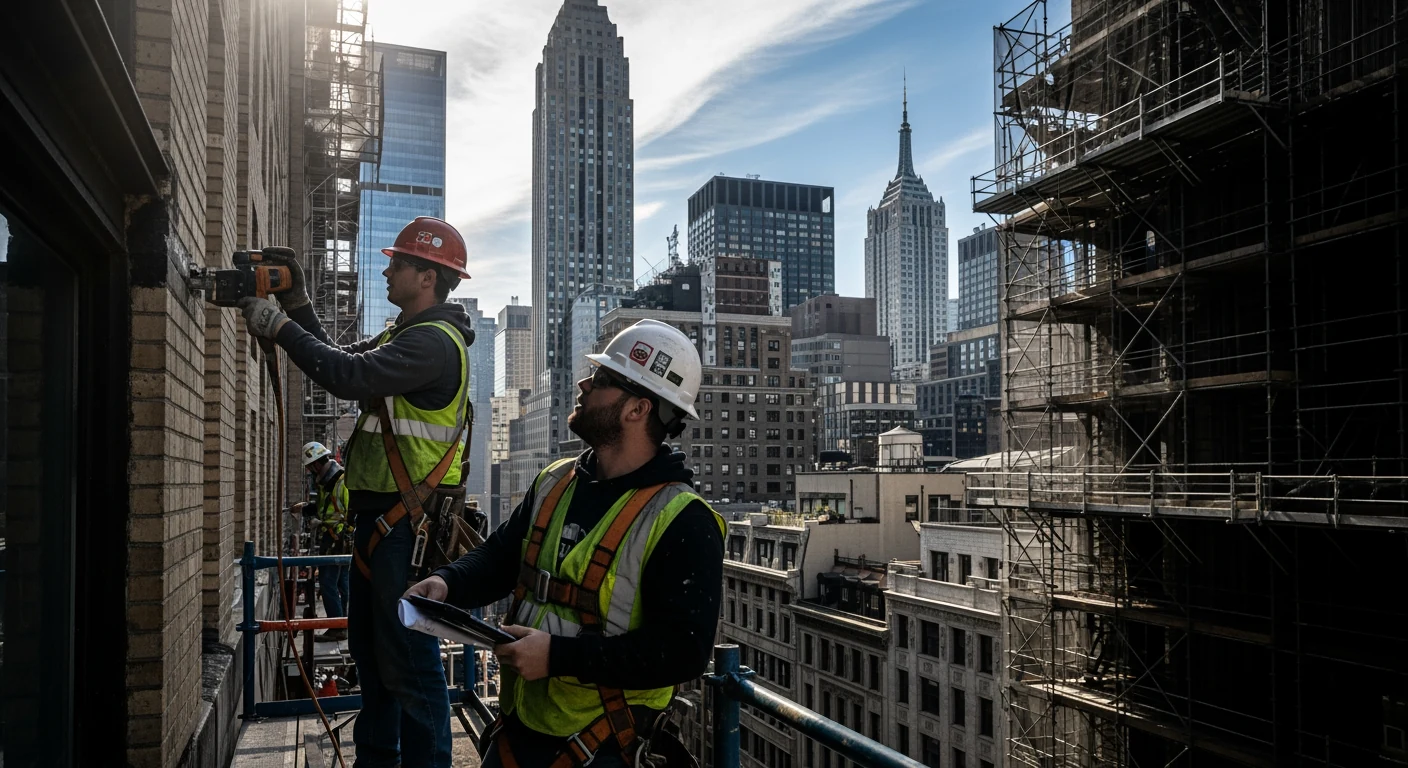
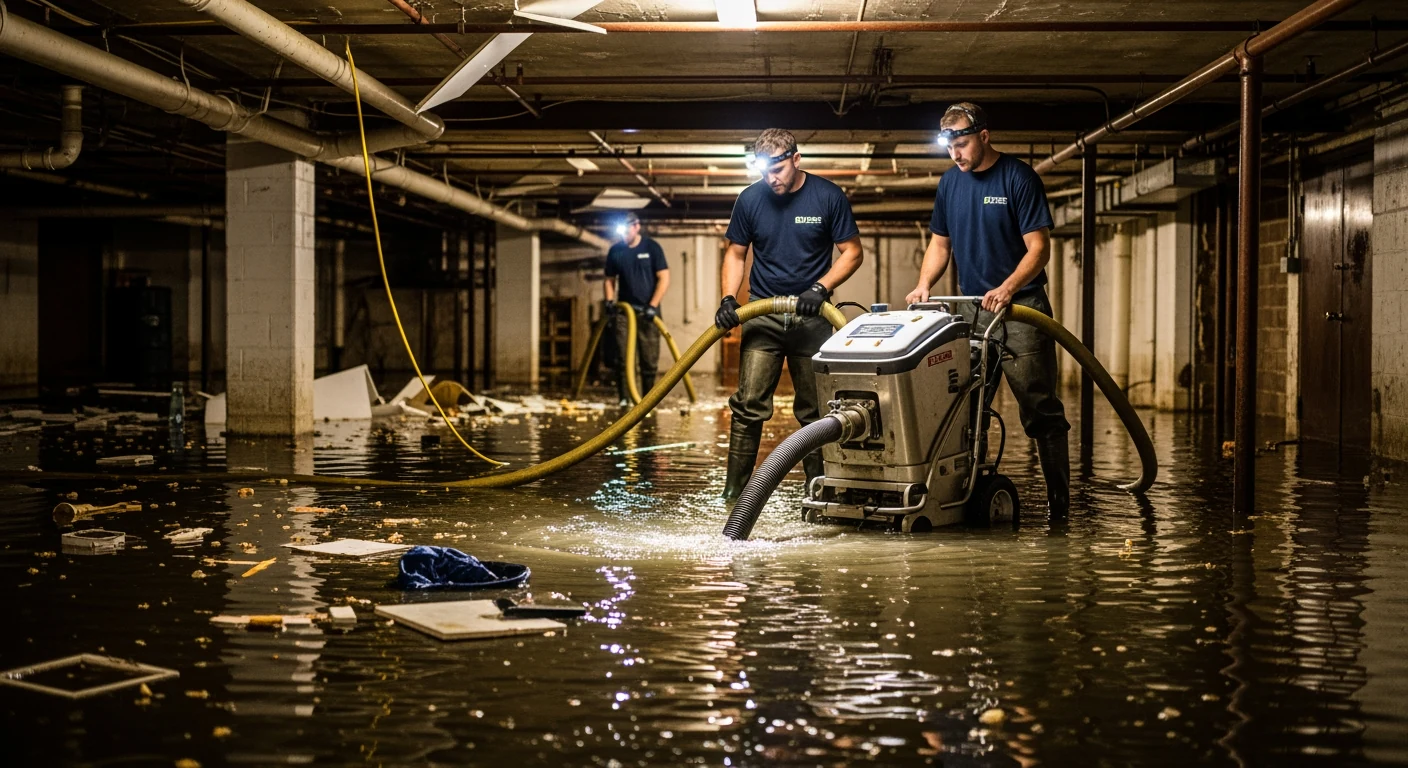
Upper Restoration provides NYS Article 32 licensed mold remediation for NYC rental properties including HPD violation-driven remediation work that meets city documentation and inspection requirements. We serve Manhattan, Brooklyn, Queens, The Bronx, Staten Island, Nassau County, and Suffolk County. Contact us for a rapid response assessment.