Insurance claims for water damage in Long Island and NYC are frequently underpaid — not because carriers are acting in bad faith in every case, but because the full scope of water damage is not always visible at initial inspection, and homeowners without professional representation often accept initial estimates that miss covered damage. Understanding where underpayment occurs and how to document claims properly makes a significant difference in settlement outcomes.
Why Initial Damage Estimates Are Often Incomplete
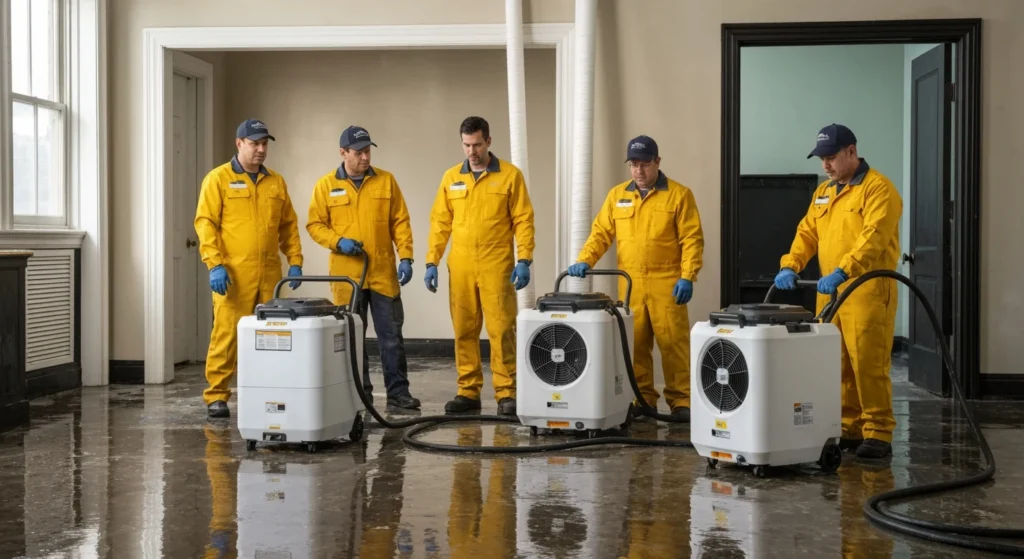
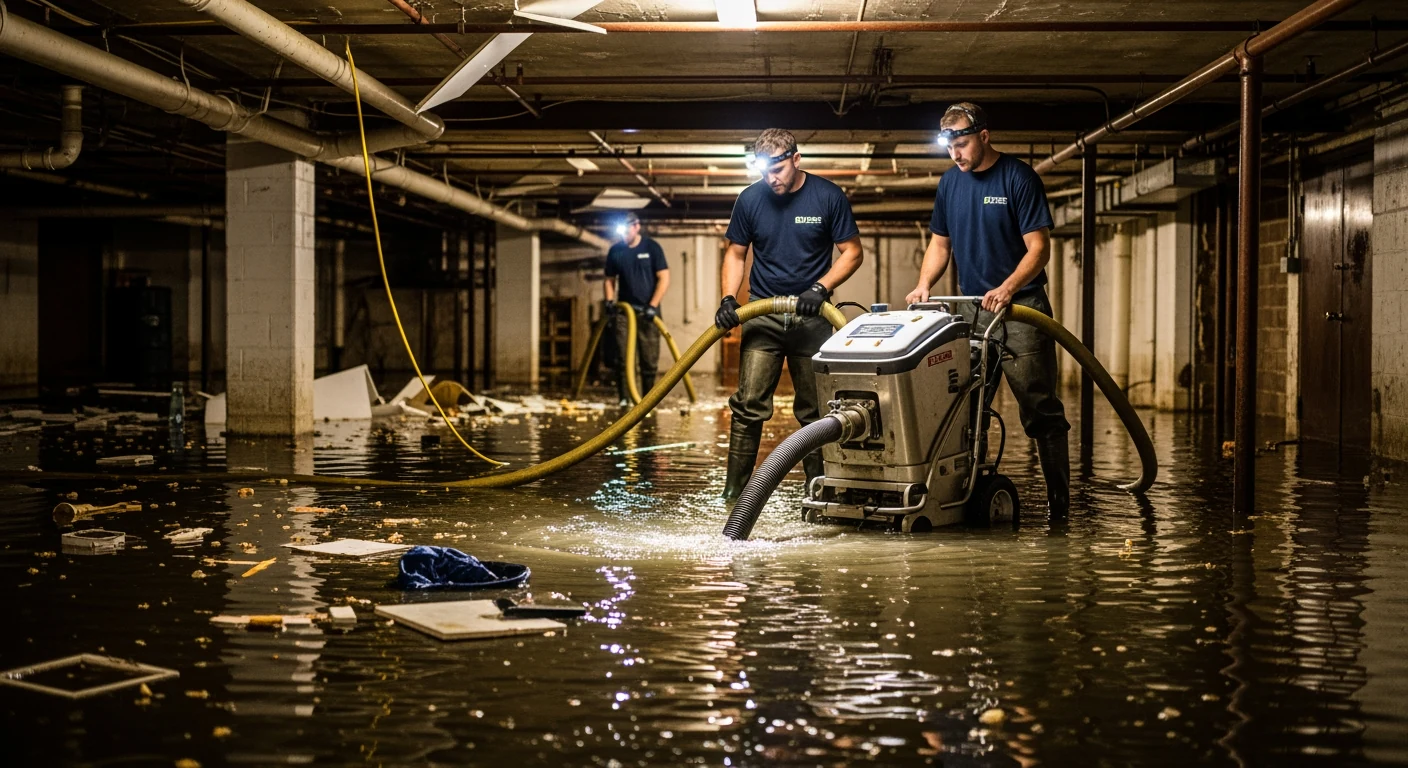
Water damage follows building systems — it runs along framing members, travels through insulation, and migrates behind finishes. An adjuster inspecting a water loss 24 to 48 hours after the event will find some but often not all of the affected area. Hidden moisture behind walls and under flooring may not be detectable without moisture meters and thermal imaging. If a restoration company has not yet performed a full moisture mapping of the structure, the adjuster is working from incomplete information, and the initial estimate will reflect only what is visible.
The Depreciation Issue: RCV vs. ACV
Standard homeowners policies pay on an Actual Cash Value (ACV) basis initially, with the depreciation amount recovered after work is completed under Replacement Cost Value (RCV) policies. Understanding the difference matters: ACV is replacement cost minus depreciation, and insurers apply depreciation aggressively to building materials. A homeowner who accepts an ACV settlement without understanding they are entitled to file for recoverable depreciation after work completion is leaving covered money on the table.
Categories of Commonly Missed Damage
The damage items most frequently missed in initial water damage estimates include: secondary damage to areas adjacent to the primary loss that were affected by humidity and moisture migration; contents damage to items that appear undamaged but have been compromised by moisture exposure; additional living expense coverage when the scope of work actually requires temporary displacement; and code upgrade costs when restoration work triggers mandatory code compliance upgrades to affected systems.
Working with a Public Adjuster vs. Working Alone
Public adjusters represent homeowners in the claims process and are paid a percentage of the settlement. For large or complex losses, a public adjuster’s ability to identify missed damage and negotiate scope differences often results in settlements significantly larger than what homeowners achieve without representation. For smaller losses, working with an experienced restoration contractor who documents scope thoroughly and communicates directly with the carrier adjuster is often sufficient.
Frequently Asked Questions
What documentation should I gather immediately after a water loss?
Photographs and video of all affected areas before any cleanup begins, a list of damaged contents with approximate purchase dates and values, copies of any purchase receipts for recently replaced building components, and your complete insurance policy including any endorsements. Upper Restoration provides claims documentation support as part of our water damage restoration service.
Frequently Asked Questions
How do I file a property damage insurance claim?
Contact your insurer immediately, document damage with photos and video, get a contractor estimate, and submit your claim with evidence.
What should I do before filing a claim?
Document all damage, take photos before cleanup, keep receipts for emergency repairs, and avoid major repairs until adjuster inspects.
Will my insurance cover restoration?
Standard homeowners policies cover sudden, accidental property damage from fire, wind, and water. Gradual damage is usually excluded.
What is depreciation in insurance claims?
Depreciation is the reduction in value of building materials over time. Insurers deduct it from replacement cost (ACV vs RCV).
Should I hire a public adjuster?
For large or complex losses, a public adjuster can identify missed damage and negotiate higher settlements, taking 5-15% commission.
How long does a claim settlement take?
Timeline varies from 2 weeks (small claims) to 6+ months (complex cases). Undisputed claims typically settle faster.