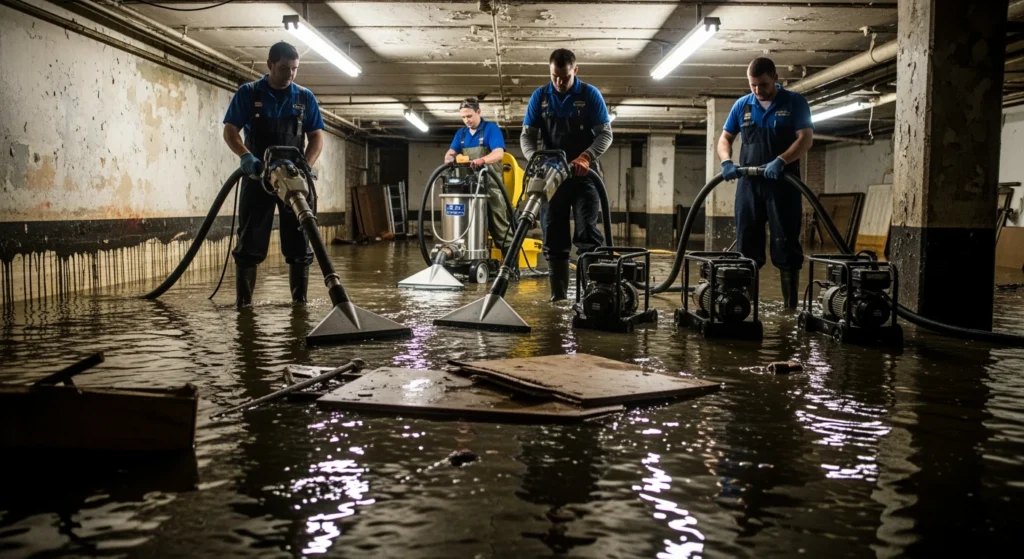
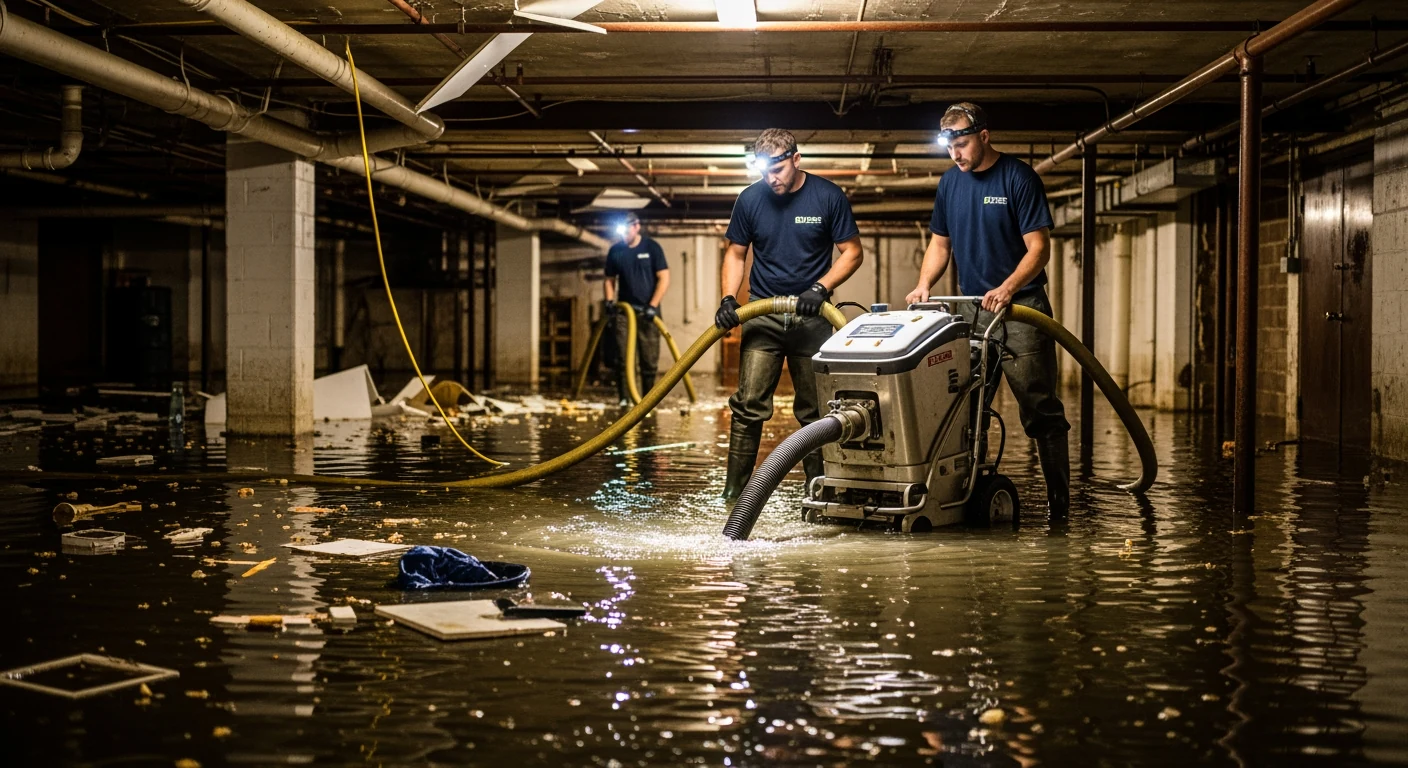
The insurance claim process for a Long Island restoration project is not a single transaction — it is a multi-party coordination sequence that begins before the contractor arrives and ends only when the final supplemental claim is paid and the project is closed. Understanding the full sequence — who does what, when, and why — gives Long Island homeowners the ability to advocate for themselves effectively throughout the process.
Step 1: First Notice of Loss (FNOL)
The claim begins the moment you notify your carrier of the loss. Most carriers have 24-hour FNOL lines and increasingly accept claims through mobile apps. The FNOL establishes the claim file, assigns an adjuster, and starts the clock on your carrier’s statutory response obligations. In New York State, insurers are required to acknowledge receipt of a claim within 15 business days and either pay or deny the claim within 15 business days of receiving all necessary documentation. Notify your carrier before calling a restoration contractor — this ensures the adjuster can inspect conditions before mitigation work alters the scene.
Step 2: Adjuster Assignment and Inspection
Staff adjusters handle smaller claims; independent adjusters (IAs) are contracted for catastrophic events when staff capacity is exceeded. Sandy produced a situation where Long Island homeowners waited weeks for adjuster inspections — the carrier was simply overwhelmed. Understanding that your adjuster is not necessarily a carrier employee and is working multiple claims simultaneously helps set realistic timeline expectations. Upper Restoration documents loss conditions photographically on arrival at every project specifically to preserve evidence for adjuster review, which may be delayed on storm claims.
Step 3: Estimate and Scope Agreement
Your restoration contractor produces a Xactimate estimate for the mitigation and restoration scope. Your adjuster produces a counter-estimate or accepts the contractor’s estimate. The gap between these estimates — if one exists — is negotiated between the contractor and adjuster. You have the right to participate in this negotiation, and in cases where the gap is significant, engaging a public adjuster who represents your interests (rather than the carrier’s) may be warranted. Public adjusters in New York are licensed by the Department of Financial Services and work on contingency — typically 10 to 15 percent of the final settlement amount.
Step 4: Mitigation Payment
Mitigation (extraction, drying, demolition) is typically invoiced separately from reconstruction and paid before reconstruction begins. Many carriers issue mitigation payment directly to the homeowner with the contractor as co-payee — requiring both signatures to cash. Homeowners who receive claim checks should contact Upper Restoration immediately before depositing — the co-payee arrangement is standard and can be resolved through direct carrier-contractor coordination.
Step 5: Reconstruction Estimate and Supplementals
Reconstruction scope — rebuilding demolished assemblies, repainting, replacing flooring — is estimated separately after mitigation is complete and the full scope is visible. Complex Long Island losses frequently require supplemental claims as hidden conditions are revealed during reconstruction: mold behind demolished drywall, asbestos in floor tiles beneath damaged flooring, structural issues revealed by opening walls. Upper Restoration prepares documented supplemental estimates for all scope expansions with photographic evidence. The final claim payment closes only when all supplementals are agreed and paid.