Key Takeaways for Long Island Residents: Owning property on Long Island, with its mix of mid-century homes, coastal vulnerabilities, and specific county regulations, requires vigilance against mold and asbestos. Understanding the risks associated with housing age, flood zones, post-Sandy impacts, and adhering to NYS and local rules (like Nassau County’s EHRP/EHRT licenses) are crucial. Engaging licensed professionals like Upper Restoration ensures safe and effective remediation.
Living on Long Island offers diverse communities and lifestyles, but its unique geography, aging housing stock, and environmental factors present distinct property maintenance challenges. This guide focuses on two common issues faced by Long Island homeowners: mold and asbestos. We provide insights into prevention, identification, NYS and local regulations, and professional remediation solutions offered by Upper Restoration, serving both Nassau and Suffolk counties.
Tackling Mold in Your Long Island Home
Mold is a prevalent issue in Long Island homes, thriving in the humid climate and often exacerbated by aging infrastructure, coastal proximity, and past storm damage. Prompt and professional handling, addressing the underlying moisture source, is essential to prevent potential health problems and structural damage.
Common Causes & High-Risk Areas on Long Island
- Housing Age: Many homes in Nassau and Suffolk were built mid-century, potentially having outdated plumbing, less effective insulation, or construction methods less resistant to moisture over time.
- Humidity & Ventilation: Basements, crawl spaces, attics, and poorly ventilated areas (like bathrooms or kitchens without proper exhaust) are common breeding grounds, especially during humid summer months.
- Leaks: Aging pipes, worn roofing materials, deteriorating window seals, or foundation cracks can lead to hidden water intrusion.
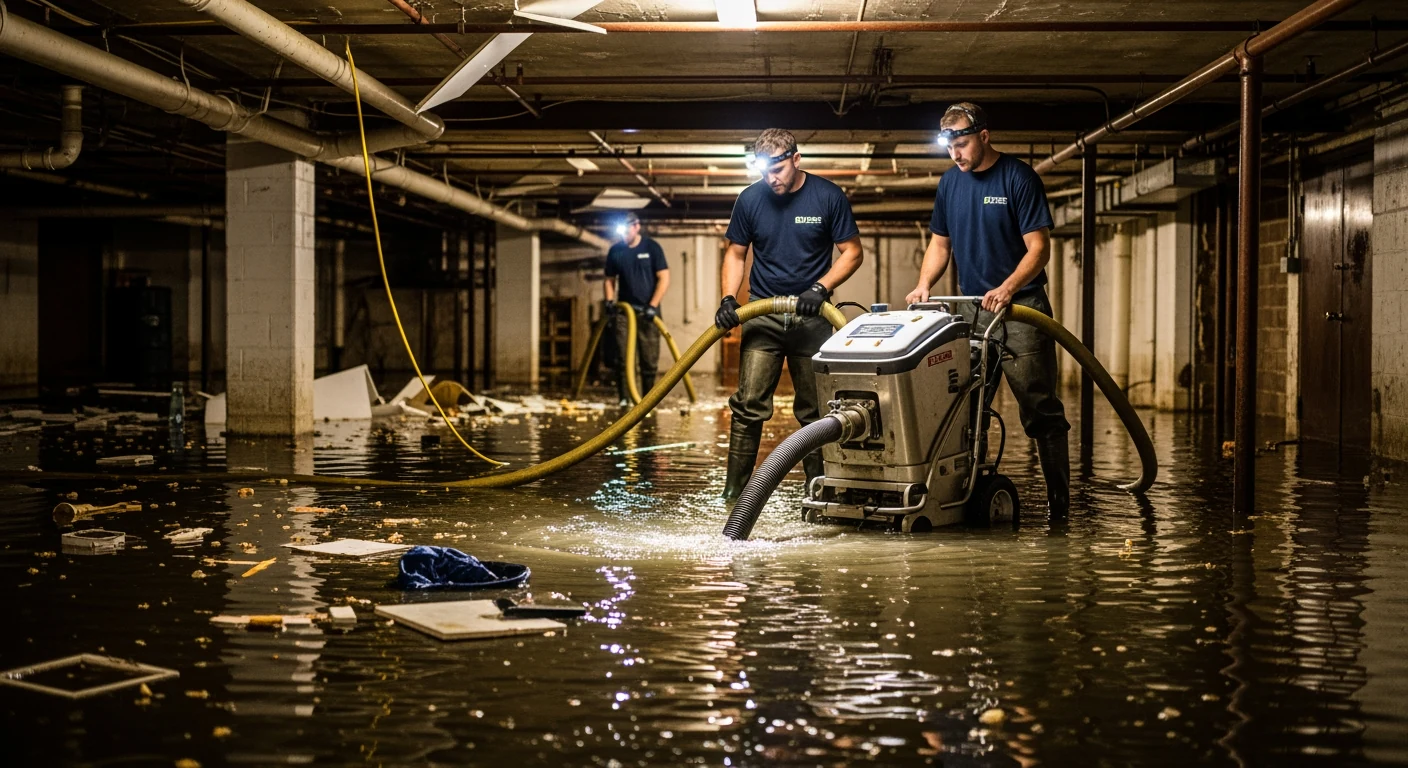
- Flooding: Coastal areas on both the South Shore (including barrier islands and low-lying mainland areas) and parts of the North Shore are vulnerable to flooding from storm surges and heavy rain. A significant portion of Long Island’s population lives in flood-prone areas, with tens of thousands of housing units facing substantial risk in both Nassau and Suffolk counties. Post-Sandy recovery zones remain particularly susceptible.
Identifying Mold
Look for visible signs (discoloration like black, green, or white patches) and persistent musty odors. Common problem areas include basements, crawl spaces, bathrooms, kitchens, attics, closets, and anywhere affected by water damage. Learn more about How to Deal with Mold in Your House and be aware of specific types like those found when Identifying Dangerous Mold Species in Your Attic.
NYS & Local Mold Remediation Regulations
Important Long Island Rules:
- NYS Law (Article 32): Statewide regulations require that mold assessment and remediation must be performed by New York State Department of Labor (NYS DOL)-licensed professionals. Critically, the same company cannot perform both the assessment and the remediation on the same project. Proper training, adherence to minimum work standards (including use of PPE and appropriate disinfectants), and development of a remediation plan are mandatory.
- Nassau County Specifics: In addition to state licenses, contractors performing mold work in Nassau County need an Environmental Hazard Remediation Provider (EHRP) license, and their on-site technicians require an Environmental Hazard Remediation Technician (EHRT) license. These county licenses necessitate specific training related to mold, safety (OSHA), and lead awareness.
- Suffolk County: While specific county licenses for mold work may not exist like in Nassau, strict adherence to all NYS DOL regulations (Article 32) is essential. It’s always prudent to check with the Suffolk County Department of Health Services or your local town/village for any additional requirements or recommendations.
Failure to comply with state and applicable local regulations can lead to significant violations and fines.
Upper Restoration’s Mold Services for Long Island
Upper Restoration provides comprehensive, licensed mold services tailored to Long Island properties:
- Licensed Inspection & Testing: Identifying the extent and type of mold, crucial in older homes or properties within flood zones where moisture issues are common.
- Compliant Remediation: Following strict NYS DOL Article 32 guidelines and applicable local requirements (including Nassau County EHRP/EHRT compliance) for safe, effective mold removal and containment. Explore Mold Removal, Remediation, and Testing.
- 24/7 Emergency Response: Offering immediate assistance for mold issues resulting from water damage, vital for flood-prone Long Island areas.
⚠️ Navigating Asbestos Risks in Long Island Buildings
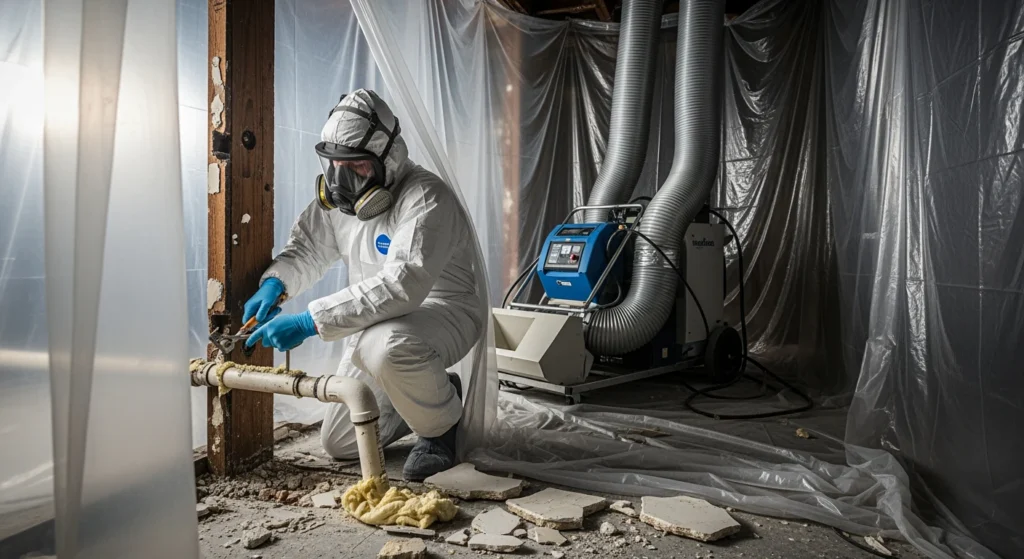
Asbestos is a significant concern on Long Island, especially in homes built before the 1980s, which includes a large portion of the housing stock in both Nassau and Suffolk counties. Asbestos-containing materials (ACMs), if disturbed during renovations, repairs, or due to deterioration, release hazardous fibers linked to serious health risks like mesothelioma and lung cancer.
Where Asbestos Might Be Found in Long Island Homes
- Insulation: Around pipes (especially steam pipes), boilers, ductwork, and in attics/basements/wall cavities of older homes. Learn about Identifying Asbestos in Your Home’s Insulation.
- Tiles: Older vinyl floor tiles (often 9×9 or 12×12 inches), ceiling tiles, and associated adhesives common in mid-century constructions.
- Other Materials: Cement board siding, roofing shingles and felt, plaster, joint compounds, window glazing, and even grout in older constructions. See: Asbestos Siding: A Hidden Hazard, Identifying and Dealing with Asbestos Grout, and learn about the 5 Most Common Forms of Asbestos in Your House.
NYS & Local Asbestos Abatement Regulations
Critical Long Island Requirements:
- NYS Law (ICR 56): New York State Department of Labor Industrial Code Rule 56 (ICR 56) strictly governs the removal, handling, and disposal of asbestos. It mandates licensing for contractors and certification for workers. Mandatory asbestos surveys by certified inspectors are required before any renovation or demolition that could disturb potential ACMs. Larger projects require advance notification to the state.
- Nassau County Specifics: Asbestos abatement work also falls under the county’s Environmental Hazard Remediation regulations, requiring contractors to hold an EHRP license and technicians an EHRT license.
- Suffolk County: Adherence to NYS DOL ICR 56 is paramount. Local towns or villages may have specific permit requirements related to asbestos work, often requiring confirmation that an asbestos survey has been completed. Always verify local requirements.
Strict containment procedures, air monitoring, proper safety protocols (PPE), and legal disposal methods are mandatory across Long Island. Non-compliance carries severe penalties.
Upper Restoration’s Asbestos Services for Long Island
Upper Restoration offers certified and experienced asbestos services crucial for Long Island homeowners:
- Certified & Compliant Abatement: Employing NYS DOL-licensed professionals who strictly adhere to ICR 56 and applicable local regulations (including Nassau County EHRP/EHRT compliance). See: Services – Asbestos Remediation.
- Specialized Expertise: Possessing experience with the diverse building types found on Long Island, including single-family homes, multi-family dwellings, and potentially historic structures requiring careful handling. See: Asbestos Removal in Historical Buildings.
- Prioritizing Safety: Implementing robust safety protocols to protect occupants, workers, and the public during abatement. Understand the risks: Asbestos Insulation and Mesothelioma.
- Emergency Availability: Offering 24/7 response for urgent situations involving potential asbestos exposure or disturbance.
️ Long Island Neighborhood Considerations
While mold and asbestos can be issues anywhere on Long Island, specific areas face unique challenges:
- South Shore Communities: Characterized by sandy beaches, barrier islands, and low elevations, making them highly susceptible to flooding, storm surges, and coastal erosion. Resilience efforts following Hurricane Sandy are ongoing, and proactive measures against water damage and mold are critical.
- North Shore Communities: Feature more variable terrain, including hilly areas and coastal bluffs vulnerable to erosion from rainfall and storms. While often less densely populated than the South Shore, coastal properties still face significant flood and erosion risks.
- Coastal Flood Zones: Areas designated by FEMA across both shores require heightened awareness of water damage potential and associated mold risks. Rising sea levels are expected to exacerbate these threats over time.
- Historic Districts & Older Neighborhoods: Towns and villages with concentrations of older homes (pre-1980s) have a higher likelihood of containing original asbestos materials. Balancing historic preservation with necessary remediation requires specialized approaches.
- Post-Sandy Recovery Zones: Homes rebuilt or extensively repaired after Hurricane Sandy may still harbor underlying moisture issues if initial remediation wasn’t comprehensive. Ensuring proper construction and moisture control is vital for long-term resilience.
Understanding these local nuances helps homeowners take targeted preventive and corrective actions.
️ Choosing the Right Professional on Long Island
Given the strict state and local regulations, potential health hazards, and complexities of remediation, hiring qualified, licensed professionals is paramount for Long Island homeowners.
Why Licensed Professionals Matter
- Compliance: They understand and adhere to NYS laws (Article 32 for mold, ICR 56 for asbestos) and specific county requirements like Nassau’s EHRP/EHRT licenses, helping you avoid violations and fines.
- Safety: Certified technicians use proper containment, personal protective equipment (PPE), air monitoring (for asbestos), and established procedures to protect your family’s health during work.
- Effectiveness: Licensed professionals possess the training, experience, and specialized equipment required for thorough and lasting removal of mold and asbestos hazards, including proper planning, execution, and clearance procedures. Learn more: Understanding Restoration Licenses and Certifications: Why They Matter.
Tip: Always verify credentials. Use the NYS DOL website to check state licenses for mold and asbestos contractors. For work in Nassau County, confirm EHRP/EHRT status. Ensure contractors carry appropriate insurance (liability, workers’ compensation).
Upper Restoration: Your Long Island Partner
Upper Restoration is fully equipped to handle the specific mold and asbestos needs of Long Island homeowners:
- Full Long Island Coverage: Serving communities across both Nassau and Suffolk counties.
- 24/7 Emergency Response: Available around the clock for urgent issues like water damage, mold outbreaks, or asbestos concerns – vital for a region facing significant coastal risks.
- Licensed & Certified: Holding all necessary NYS DOL licenses for mold (Article 32) and asbestos (ICR 56), and meeting local requirements like those in Nassau County.
- Free Consultations: Offering prompt, free consultations (often same-day) to assess the situation and discuss remediation options. Reach out via the Contact page or request a Free Consultation.
- Comprehensive Services: Providing a full spectrum of services from initial assessment and containment to complete remediation/abatement and structural restoration, including Water Damage Restoration, Fire & Smoke Damage Restoration, Sewage Cleanup & Removal, and General Construction.
Conclusion: Protecting Your Long Island Property
Owning a home on Long Island requires awareness of potential hazards like mold and asbestos, particularly given the region’s housing age profile, significant coastal flood risks, and specific regulatory landscape. By understanding the risks pertinent to your home’s age and location (North Shore vs. South Shore, flood zone status), staying informed about NYS and local regulations (especially in Nassau County), and partnering with experienced, licensed professionals like Upper Restoration, you can effectively manage these challenges. Prompt action, especially after water events, and expert handling are key to preserving your property’s value and ensuring a safe living environment on Long Island.
Need help with mold or asbestos in your Long Island home? Contact Upper Restoration 24/7 for a Free Consultation.
Need professional asbestos abatement on Long Island? Upper Restoration provides licensed asbestos abatement and removal services across NYC and Long Island. Contact us for a free assessment.
See also: Water Damage Risks & Restoration on Long Island